
 vi

 Popular
S – Social Sustainability
About Social Sustainability
GREENFEED places people at the heart of sustainable development. We strive for a safe, fair and humane workplace; respect human rights; develop our employees’ capabilities; provide safe, high-quality products; practice responsible animal farming; and partner with farmers and communities to create livelihoods and long-term social value.

Products

Community

Human Resources


Human rights and labor practices
Respect human rights and lawful labor rights in GREENFEED’s operations and promote the same principles across the supply chain.
Occupational health, safety and wellbeing
Provide a safe and healthy workplace and proactively prevent accidents, incidents and occupational illness.
Diversity, equal opportunity, inclusion and people development
Build a workplace that respects differences, creates development opportunities and recognizes contributions based on capability and performance.
Food safety, quality and consumers
Provide safe, high-quality, transparent and traceable products that protect consumer health and interests.
Animal welfare and biosecurity
Practice responsible farming to protect herd health, animal welfare and biosecurity.
Labor in the supply chain
Promote lawful, safe and responsible working conditions at relevant service providers and suppliers.
Livelihoods and communities
Stand with communities, especially where GREENFEED operates, through job creation, livelihood development, education, nutrition and social programs with long-term impact.

Human rights and labor practices
- No child labor or forced labor.
- Respect lawful and voluntary rights and interests in labor relations.
- Promote fair, respectful and non-discriminatory working conditions.
- Include appropriate social requirements in contractor and supplier management.
Occupational health, safety and wellbeing
- Identify hazards and assess and control OHS risks.
- Build capability, awareness and a safety culture.
- Care for employee health and promote appropriate wellbeing benefits.
- Require contractors to follow safety requirements when working at GREENFEED.
Diversity, equal opportunity, inclusion and people development
- Promote equal opportunity and non-discrimination.
- Invest in training, capability building and team development.
- Recognize contributions fairly, transparently and appropriately.
- Nurture the GREENFEED Way culture throughout the employee experience.
Food safety, quality and consumers
- Control quality and safety from raw materials to finished products.
- Strengthen traceability of production, quality and food safety data.
- Provide honest, clear and appropriate product information.
- Listen to feedback to improve products and the customer experience.
Animal welfare and biosecurity
- Improve conditions for animal care, feeding and management.
- Manage veterinary medicines and antibiotics responsibly.
- Strengthen disease prevention, surveillance and control.
- Progressively integrate relevant requirements of GlobalG.A.P., S.L.P., ASC, BAP and related standards where applicable.
Labor in the supply chain
- Include labor and OHS requirements in selection and assessment criteria where appropriate.
- Prioritize management based on risk level.
- Engage, guide and drive improvement with partners.
Livelihoods and communities
- Develop livelihoods built on GREENFEED’s strengths in agriculture and livestock.
- Support women, children and vulnerable groups through suitable programs.
- Contribute to education, nutrition, health and disaster response.
- Maintain dialogue and partnerships with local communities.
Key results (cumulative to 2025)
- 2,990 farmer households gained livelihood support through the Supporting Farmers program.
- 3,982,464 meals provided and 38,069 children supported with improved nutrition through the Meals of Smiles program.
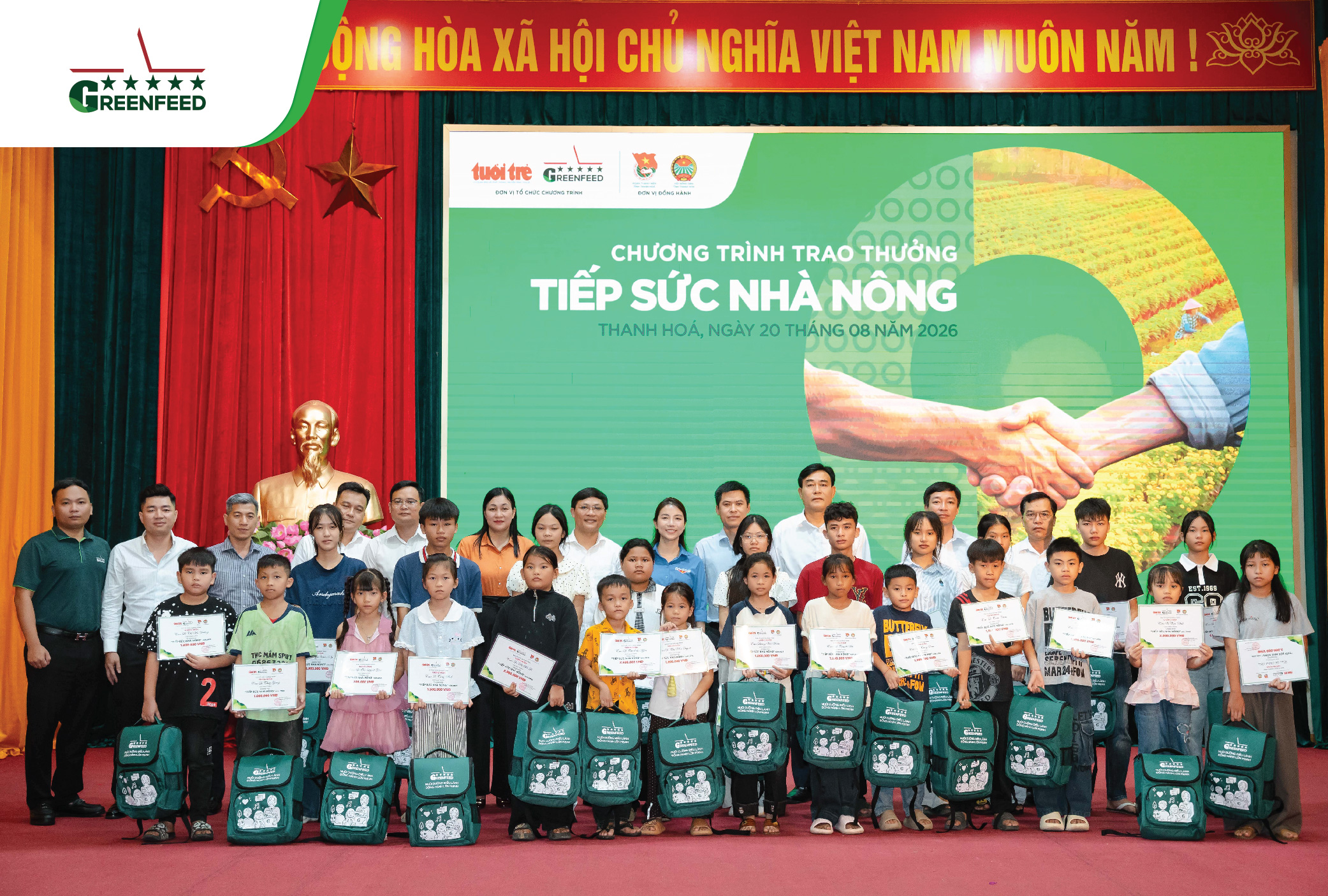
- 14,121 scholarships for students in difficult circumstances.
- 186,657 trees have been planted.
- VND 15.7 billion to support people affected by natural disasters, storms and floods.
- In 2025: female leaders made up 22.89% of the executive team; 24.36 average training hours per headcount; lost time injury frequency rate (LTIFR) of 0.36.
News and Events
View All
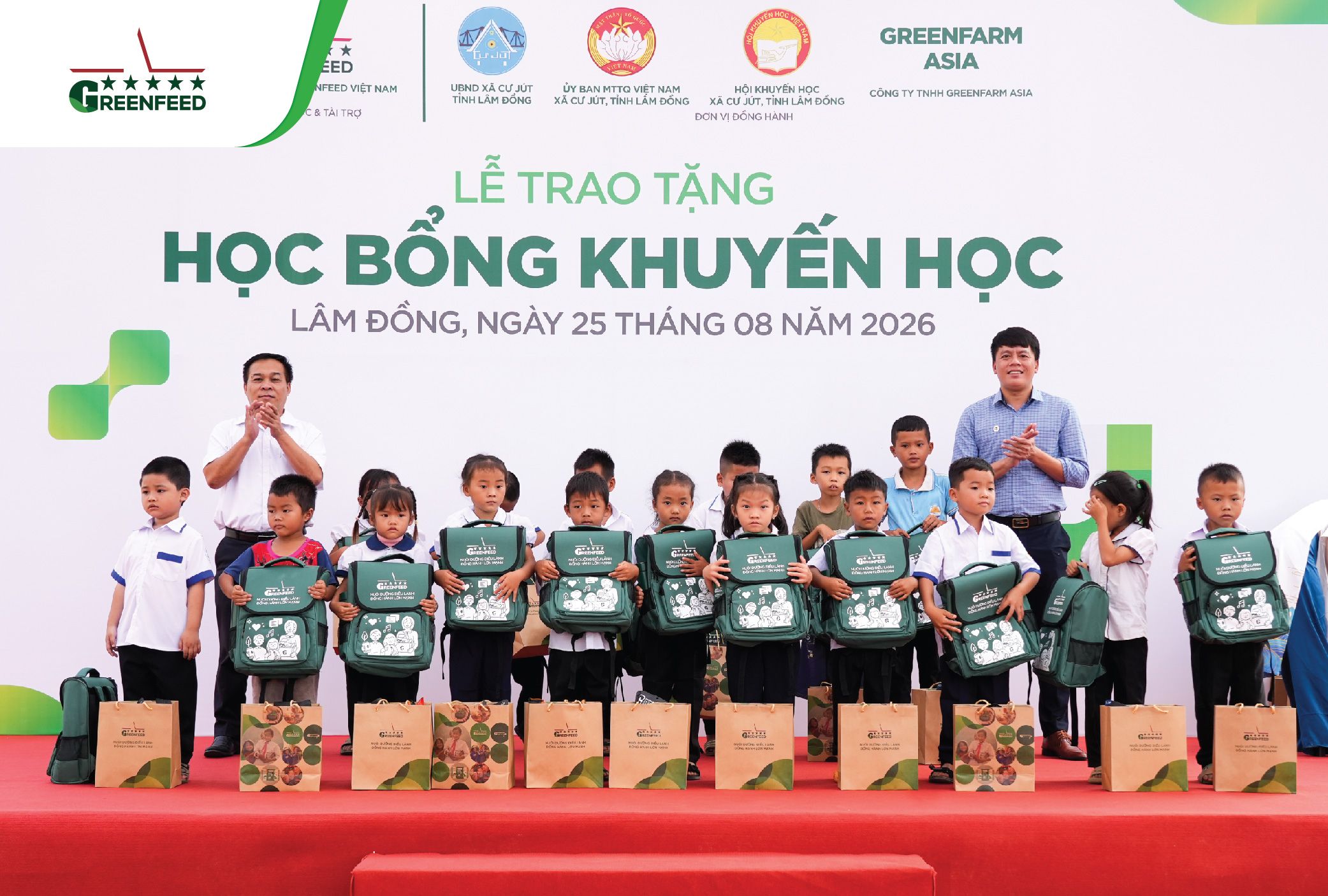
GREENFEED SUPPORTS SCHOOLS AND STUDENTS IN TAY NINH AND LAM DONG
 05-Oct-2026
 119.6K
GREENFEED CONTINUES POST STORM SUPPORT, STANDING WITH THE NEXT GENERATION
23-Sep-2026
285.2K
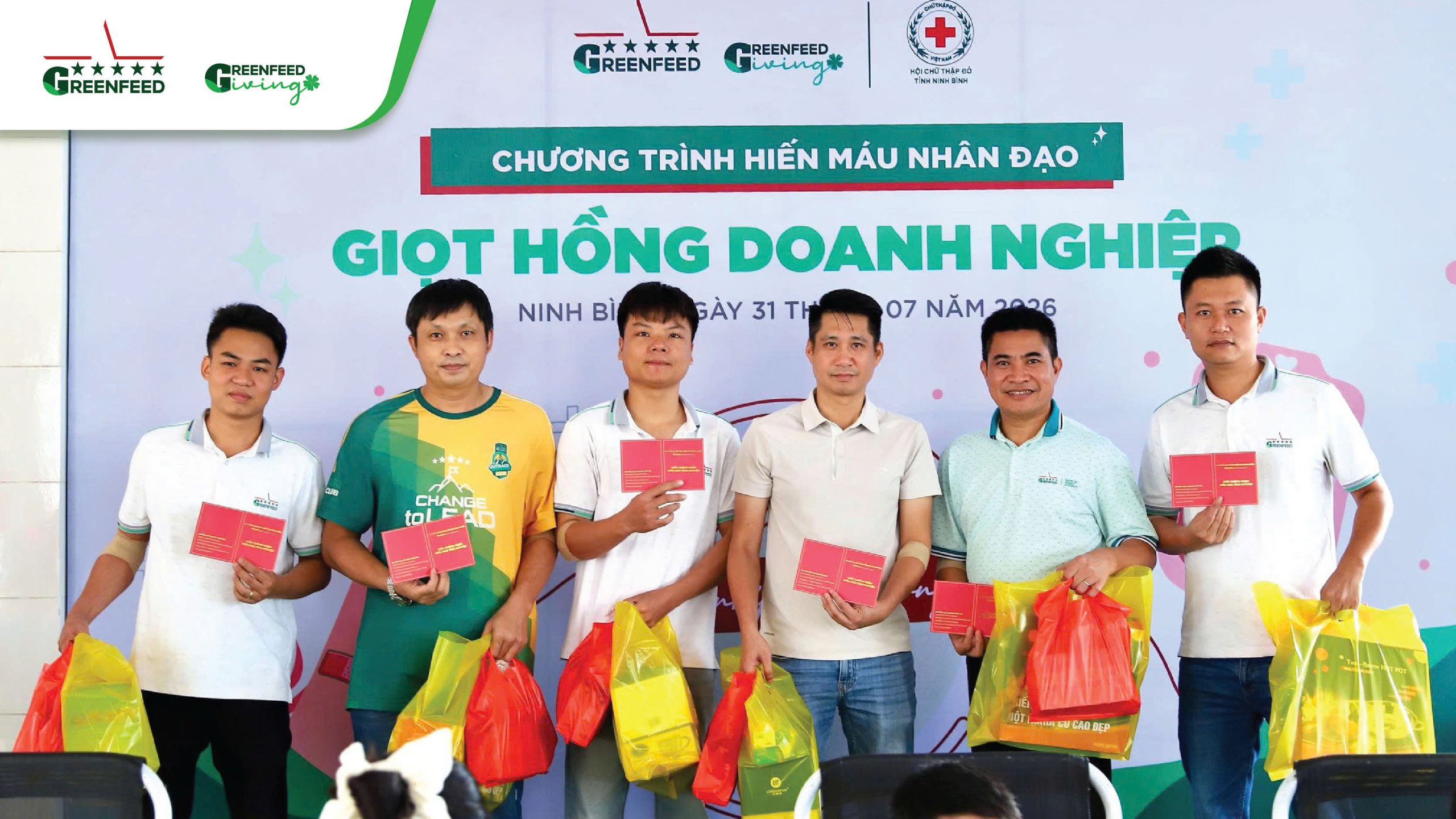
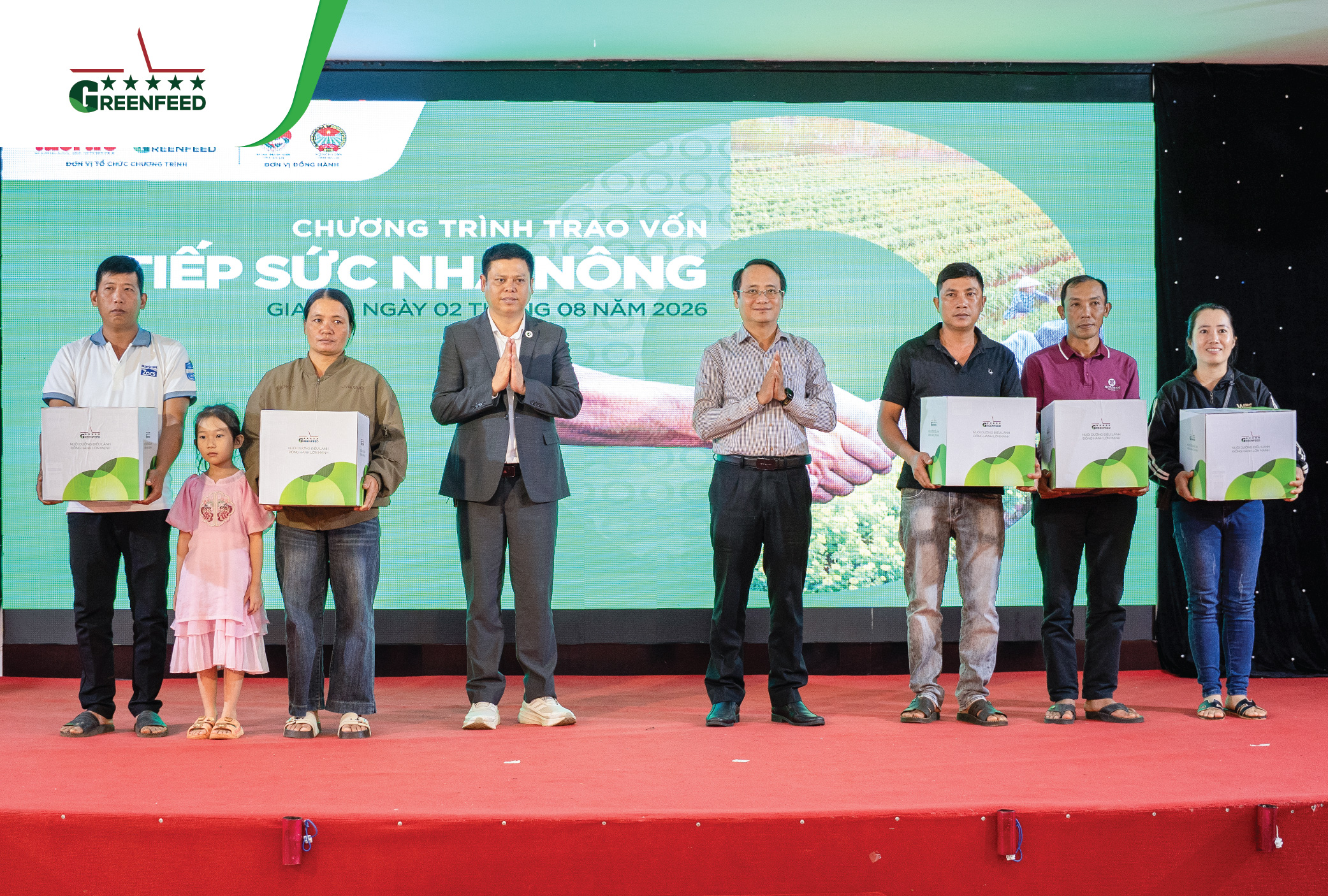
SUPPORTING FARMERS 2026: EXTENDING LIVELIHOOD SUPPORT TO FARMERS IN GIA LAI
06-Aug-2026
402.9K

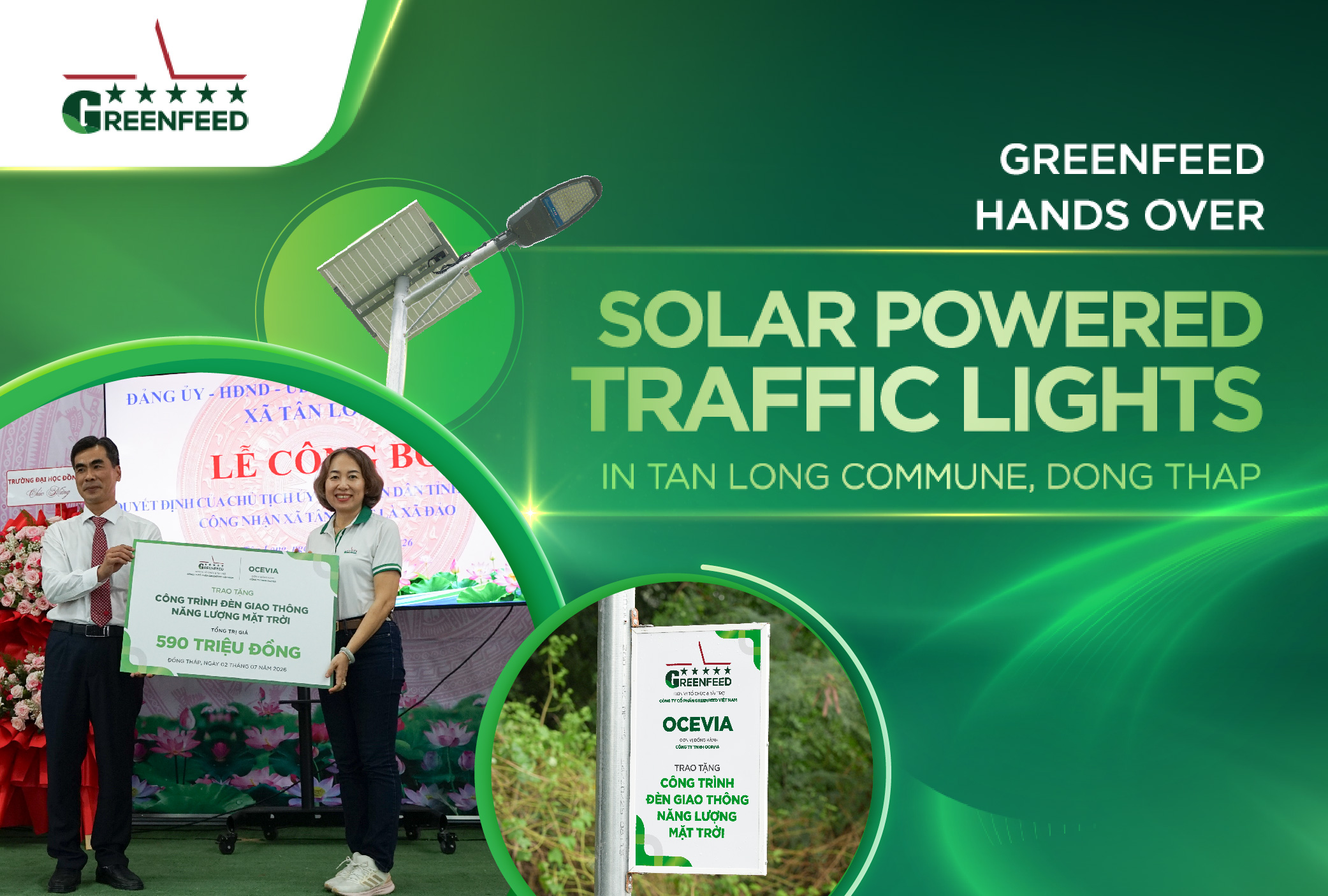


SUPPORTING FARMERS 2026: THE LIVELIHOOD SUPPORT JOURNEY BEGINS IN TAY NINH
18-May-2026
575.2K


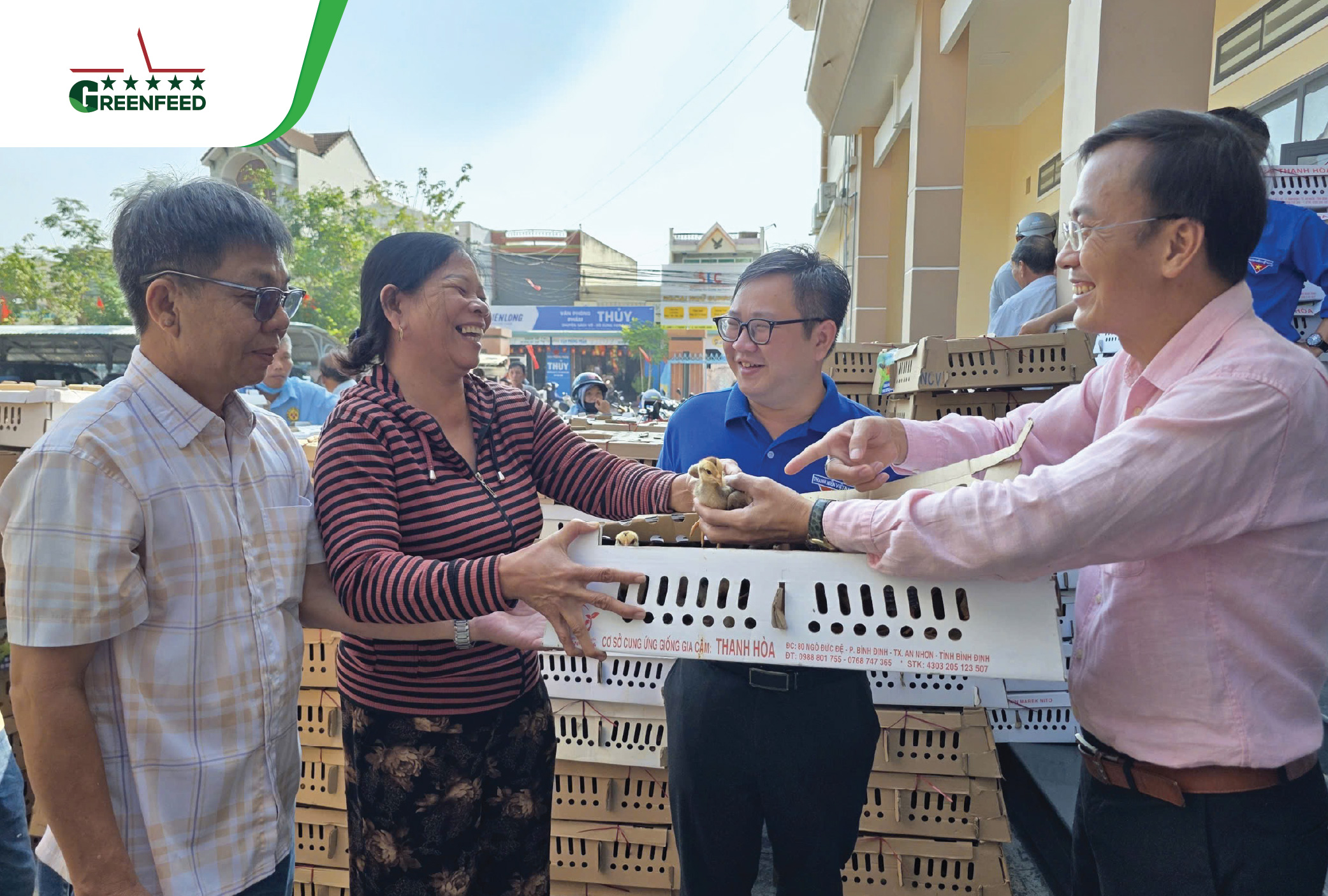
A TIMELY FLOCK OF CHICKS BRINGS NEW HOPE TO FAMILIES IN HA TINH AND NGHE AN
13-Mar-2026
742.6K
Learn More

E – Environmental Sustainability
Reducing environmental impact, using resources efficiently, and advancing the circular economy and green transformation.

G – Sustainable Governance and Value Chain
Integrating ESG into governance and risk management, building a responsible supply chain, and strengthening transparency.

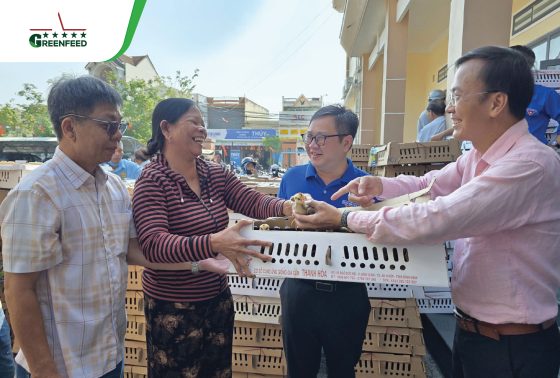
GREENFEED CONTINUES POST STORM SUPPORT, STANDING WITH THE NEXT GENERATION
285.2K

Sign up for the latest newsletter from GREENFEED!

GREENFEED VIETNAM
GREENFEED VIETNAM
