
 vi

 Popular
E – Sustainable Environment
About Sustainable Environment
GREENFEED aims to reduce its environmental footprint across the 3F Plus value chain through efficient use of materials, water and energy; lower emissions and waste; and the advancement of the circular economy, renewable energy, green technologies and climate adaptation solutions. We prioritize preventing impacts at the source and continuously improve to raise operational efficiency while protecting resources for the future.
On its green transformation roadmap, GREENFEED is working toward the Net Zero goal by 2050, progressively reducing Scope 1 and 2 emissions, extending emissions management across the value chain and increasing the share of renewable energy.

emission reduction


Climate and greenhouse gas emissions
Proactively identify material emission sources, strengthen greenhouse gas management and promote emission reduction solutions suited to our business operations.
Energy and energy transition
Improve energy efficiency and progressively increase the use of clean and suitable renewable energy.
Water and resources
Use water and other resources efficiently, in line with local conditions and the specific needs of each link in the value chain.
Circular economy and waste management
Treat waste and by-products as resources that can be managed, reused, recycled or recovered for value where appropriate.
Biodiversity and ecosystems
Limit adverse impacts on ecosystems and biodiversity in our operating areas and relevant parts of the supply chain.
Responsible materials and production
Progressively strengthen the sustainability and traceability of raw materials while reducing environmental impact in production.

Climate and greenhouse gas emissions
- Inventory and monitor emissions by the appropriate scope.
- Integrate emission reduction opportunities into operations, investment and technology upgrades.
- Strengthen adaptation and resilience to climate risks.
- Disclose progress and results in line with the approved ESG roadmap.
Energy and energy transition
- Monitor and optimize energy performance at feed mills, farms and operating sites.
- Expand rooftop solar, biogas and other feasible renewable energy solutions.
- Prioritize high-efficiency technologies and equipment in new investments and upgrades.
Water and resources
- Measure, control and reduce water intensity where feasible.
- Increase the reuse of treated water in line with technical and legal requirements.
- Identify water resource risks at sites with significant dependence or impact.
Circular economy and waste management
- Prioritize prevention and reduction of waste at the source.
- Make use of livestock by-products for organic fertilizer, biogas and suitable circular models.
- Strengthen waste segregation, reuse, recycling and compliant waste management.
- Promote life-cycle thinking in design and operations.
Biodiversity and ecosystems
- Identify activities that may significantly affect land, water and ecosystems.
- Apply appropriate prevention, mitigation and restoration measures.
- Promote green initiatives and partnerships to protect the environment, landscapes and natural resources.
Responsible materials and production
- Prioritize raw materials with clear origins that meet quality, legal and relevant sustainability requirements.
- Work with suppliers to improve their environmental practices.
- Apply technology and data to improve material efficiency and reduce losses.
Key practices in 2025
- Renewable energy accounts for 13.56% of the total energy mix; rooftop solar reaches 5,273 MWh and the biogas system produces 1,828 MWh of electricity.
- A greenhouse gas inventory was carried out at the Dong Nai Feed mill, providing the basis for targeted emission reduction solutions.
- The share of bulk feed delivered via silo and bulk tanker reached 26.03%, reducing reliance on packaging.
- Livestock wastewater is treated to meet QCVN 01-195:2022/BNNPTNT and recirculated for irrigation, barn washing and cooling.
- Livestock waste is transferred to licensed units for treatment and reuse as organic fertilizer; 82% of solid waste is recovered and reused.
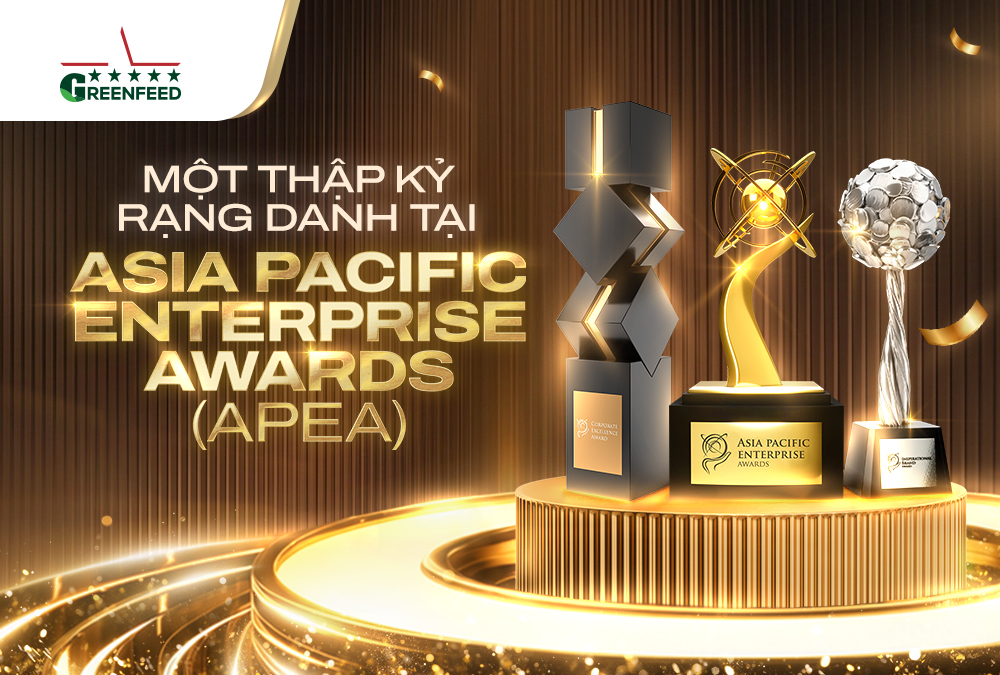
A DECADE OF DISTINCTION AT THE ASIA PACIFIC ENTERPRISE AWARDS
 18-Oct-2026
 25.8K
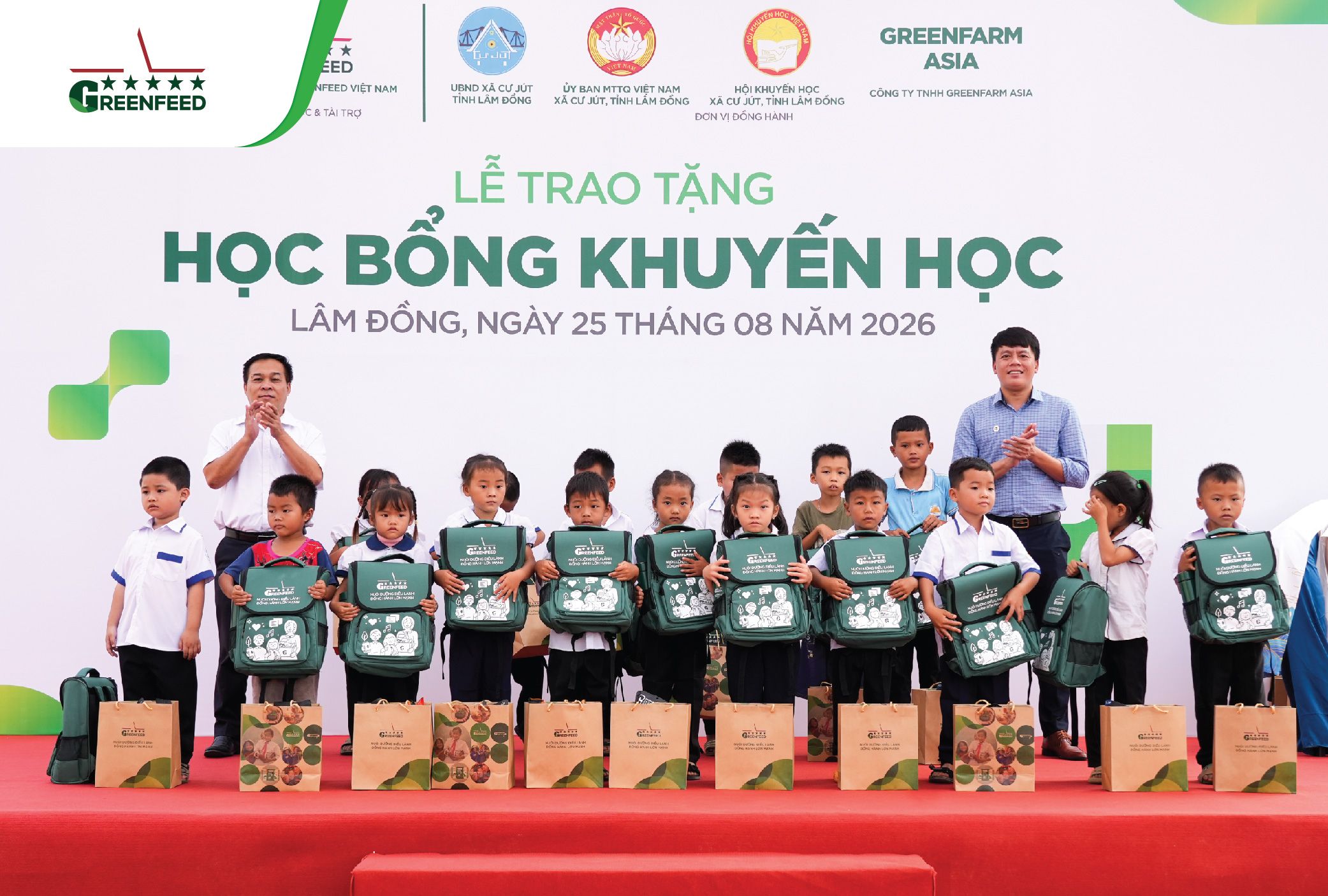
GREENFEED SUPPORTS SCHOOLS AND STUDENTS IN TAY NINH AND LAM DONG
05-Oct-2026
119.6K
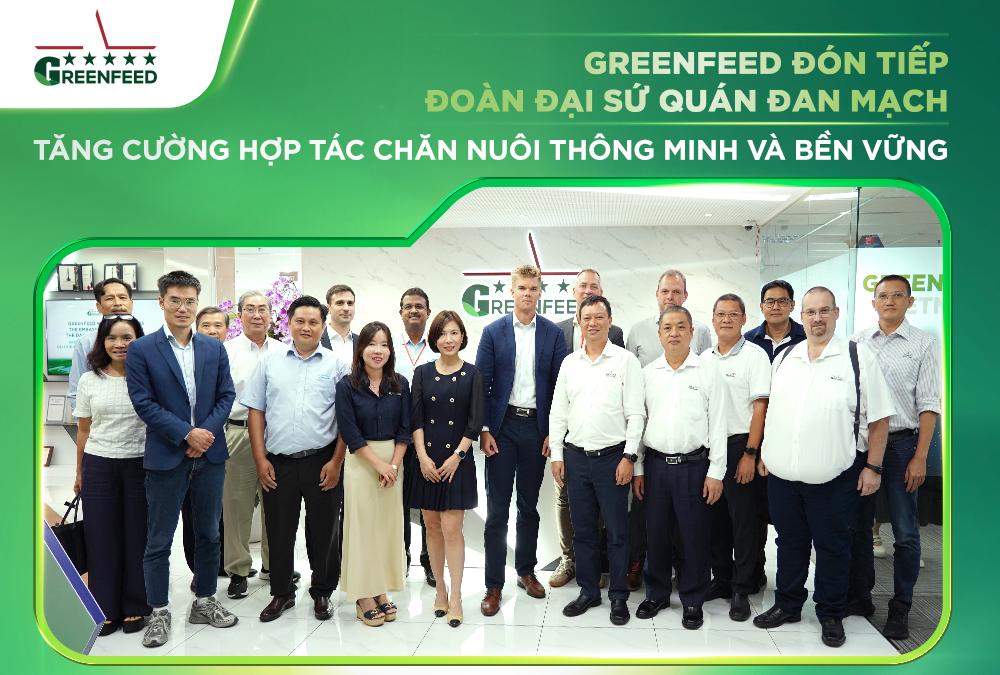
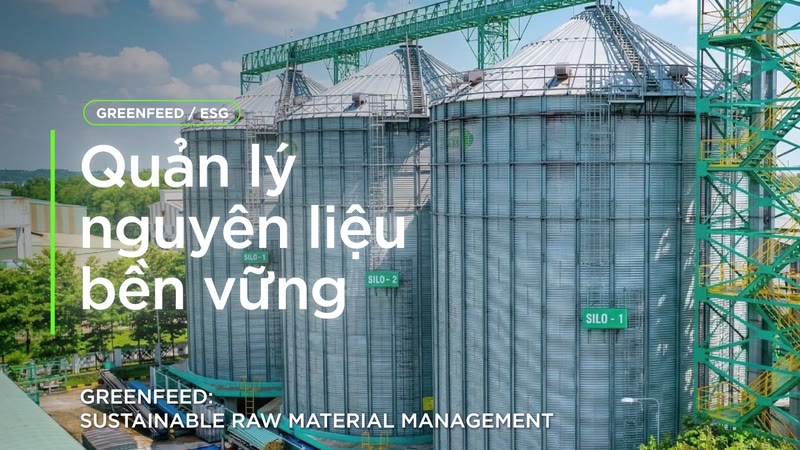
[GROWING GREEN #5] SUSTAINABLE RAW MATERIAL MANAGEMENT
24-Sep-2026
211.5K
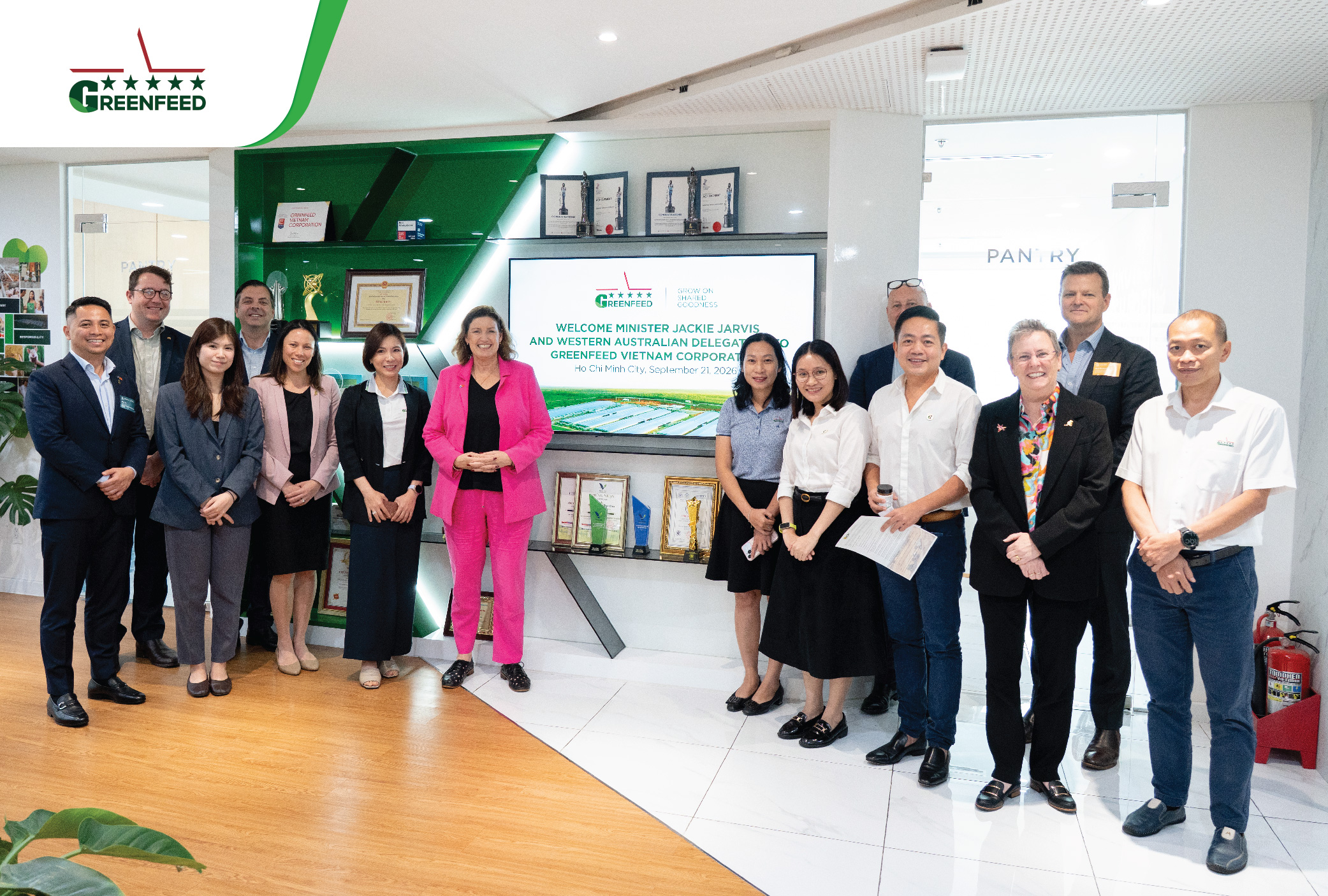
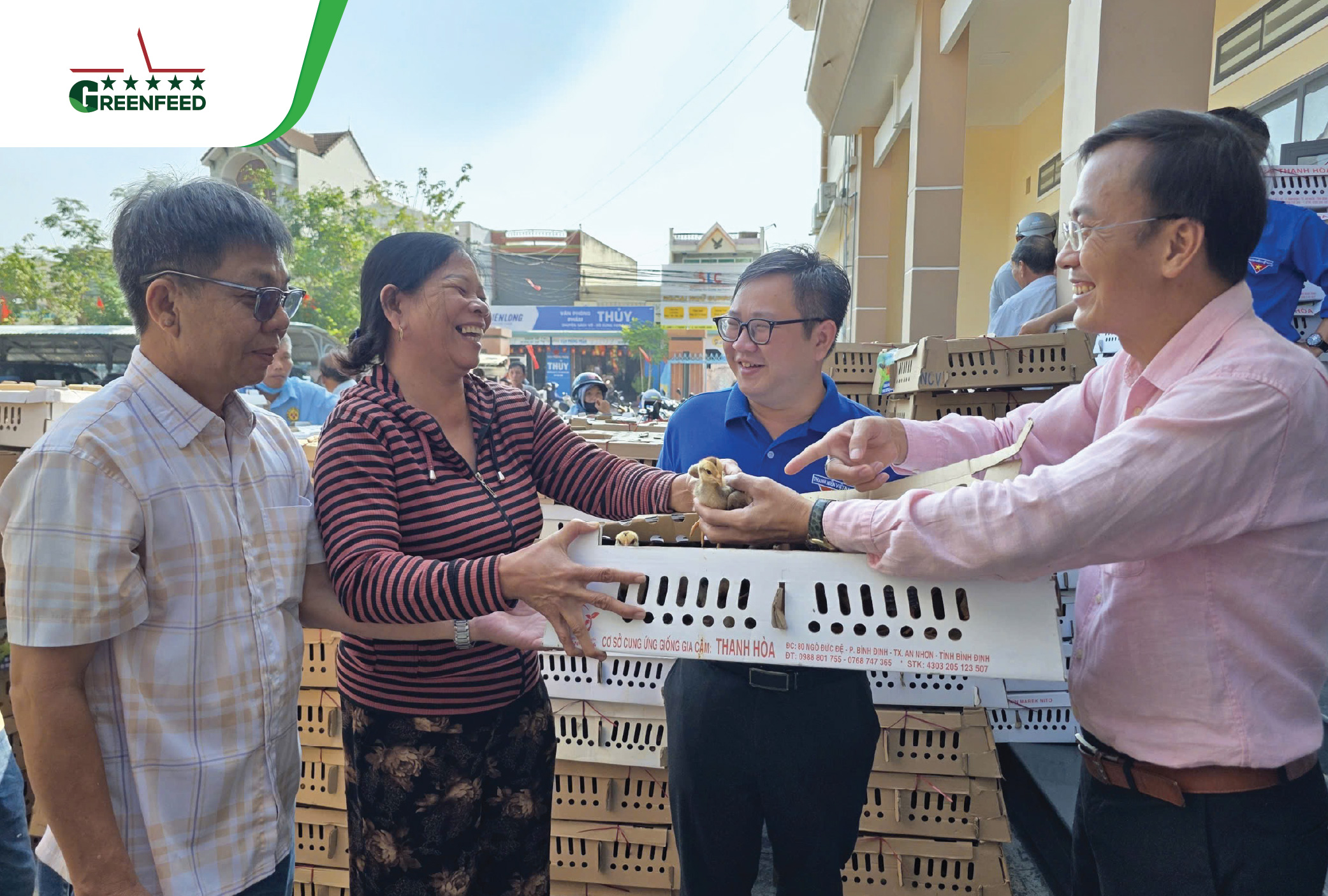
GREENFEED CONTINUES POST STORM SUPPORT, STANDING WITH THE NEXT GENERATION
23-Sep-2026
285.2K
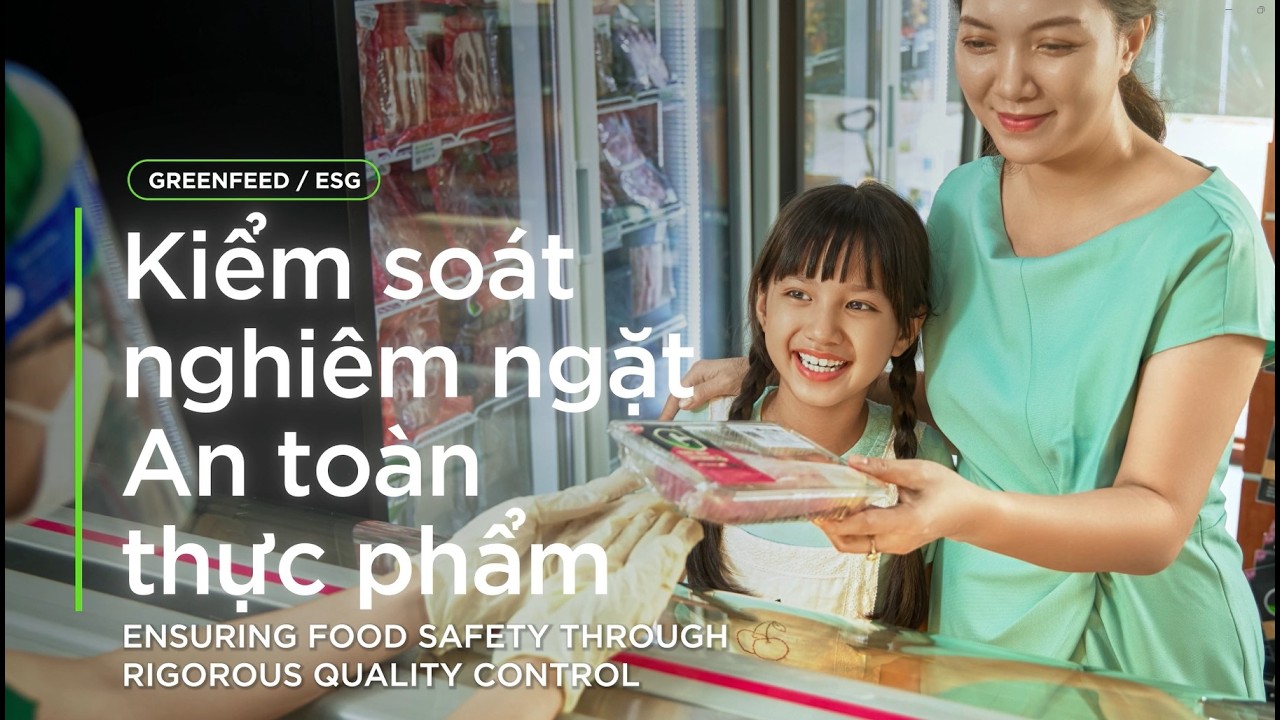
[GROWING GREEN #4] ENSURING FOOD SAFETY THROUGH RIGOROUS QUALITY CONTROL
12-Sep-2026
260.3K

WHAT WE NURTURE EVERY DAY IS NOW RECOGNIZED ACROSS ASIA
10-Sep-2026
280.4K
[GROWING GREEN #3] TRANSITION TO RENEWABLE ENERGY
04-Sep-2026
274.7K
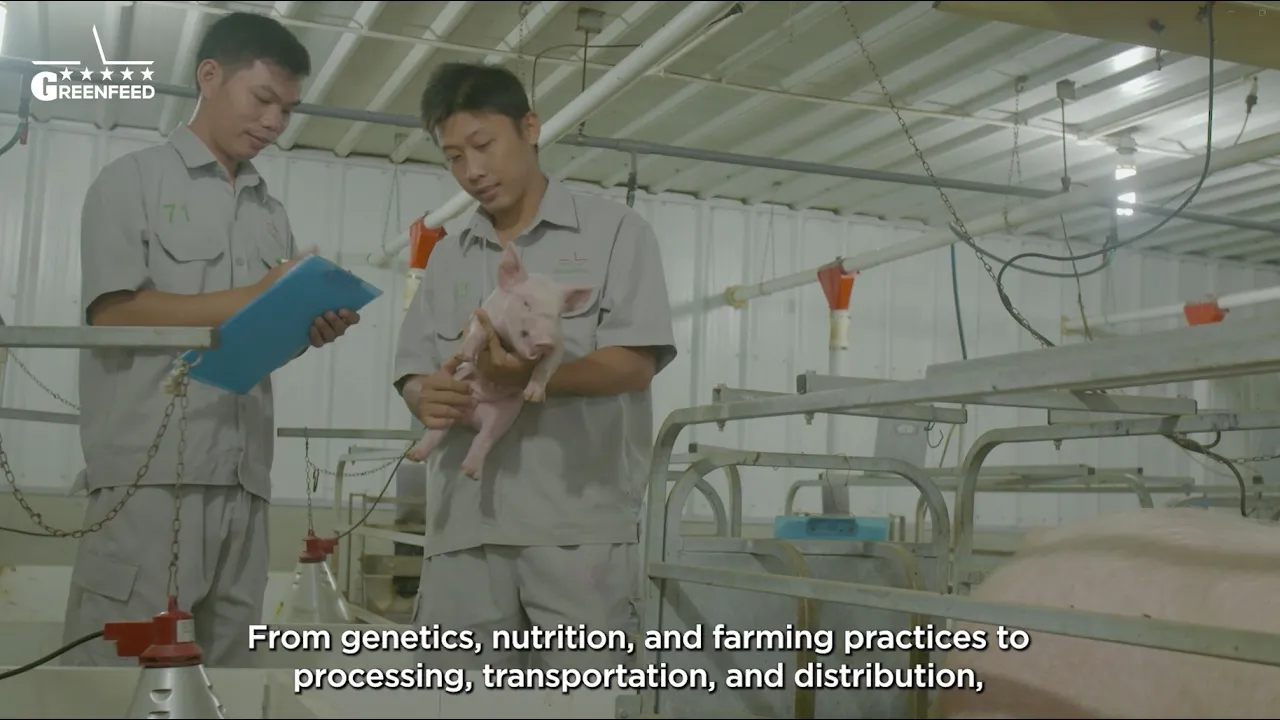
[GROWING GREEN #2] BUILDING A WHOLESOME FOOD VALUE CHAIN FROM FARM TO TABLE
29-Aug-2026
305.3K
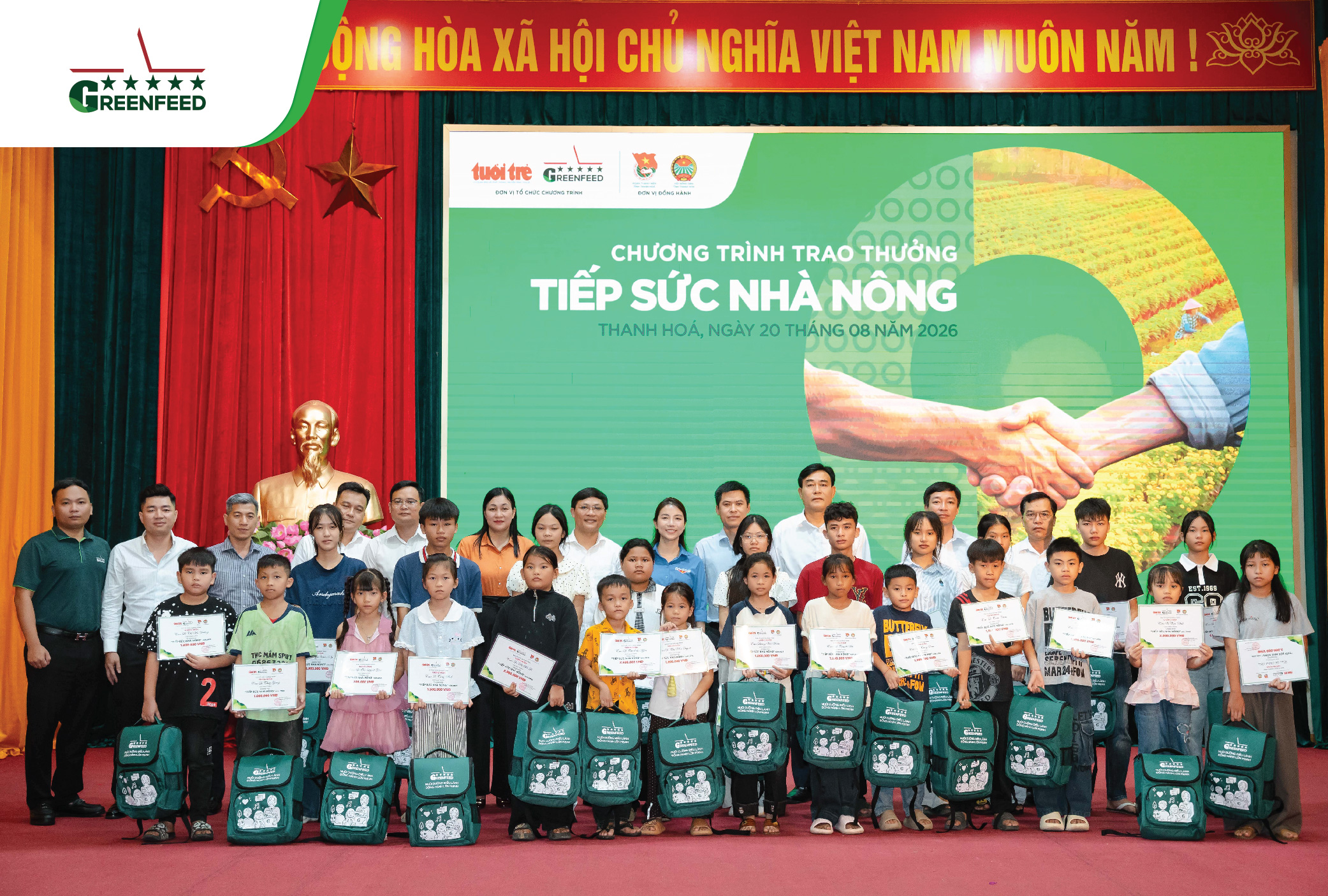
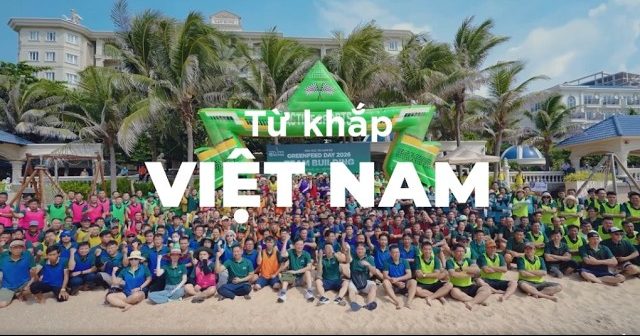
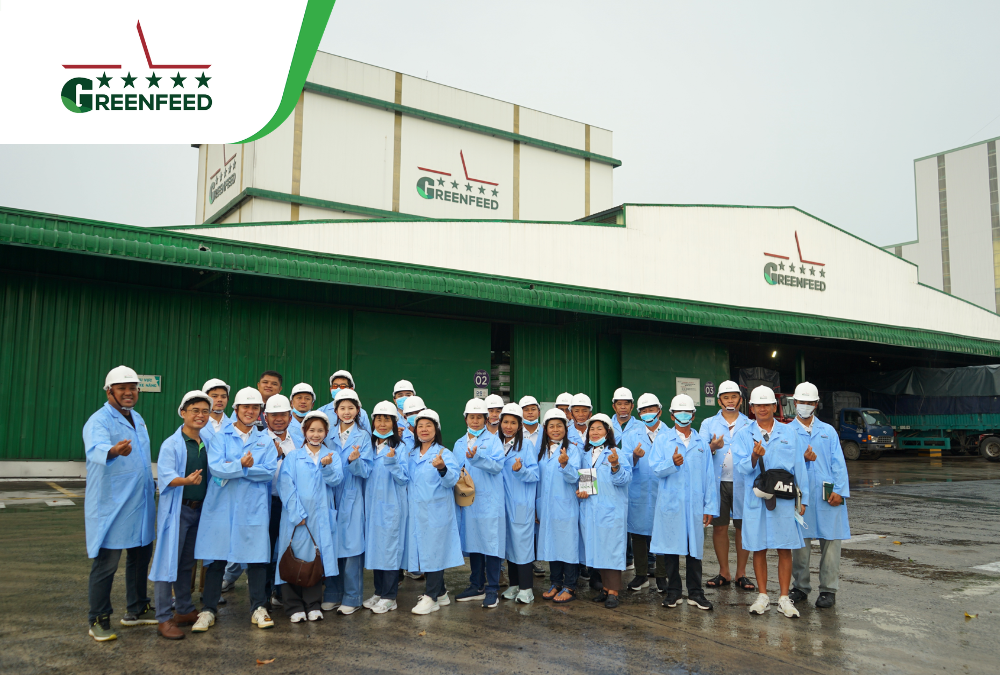
GREENFEED STRENGTHENS CONNECTIONS AND COLLABORATION IN THAILAND
25-Aug-2026
312K
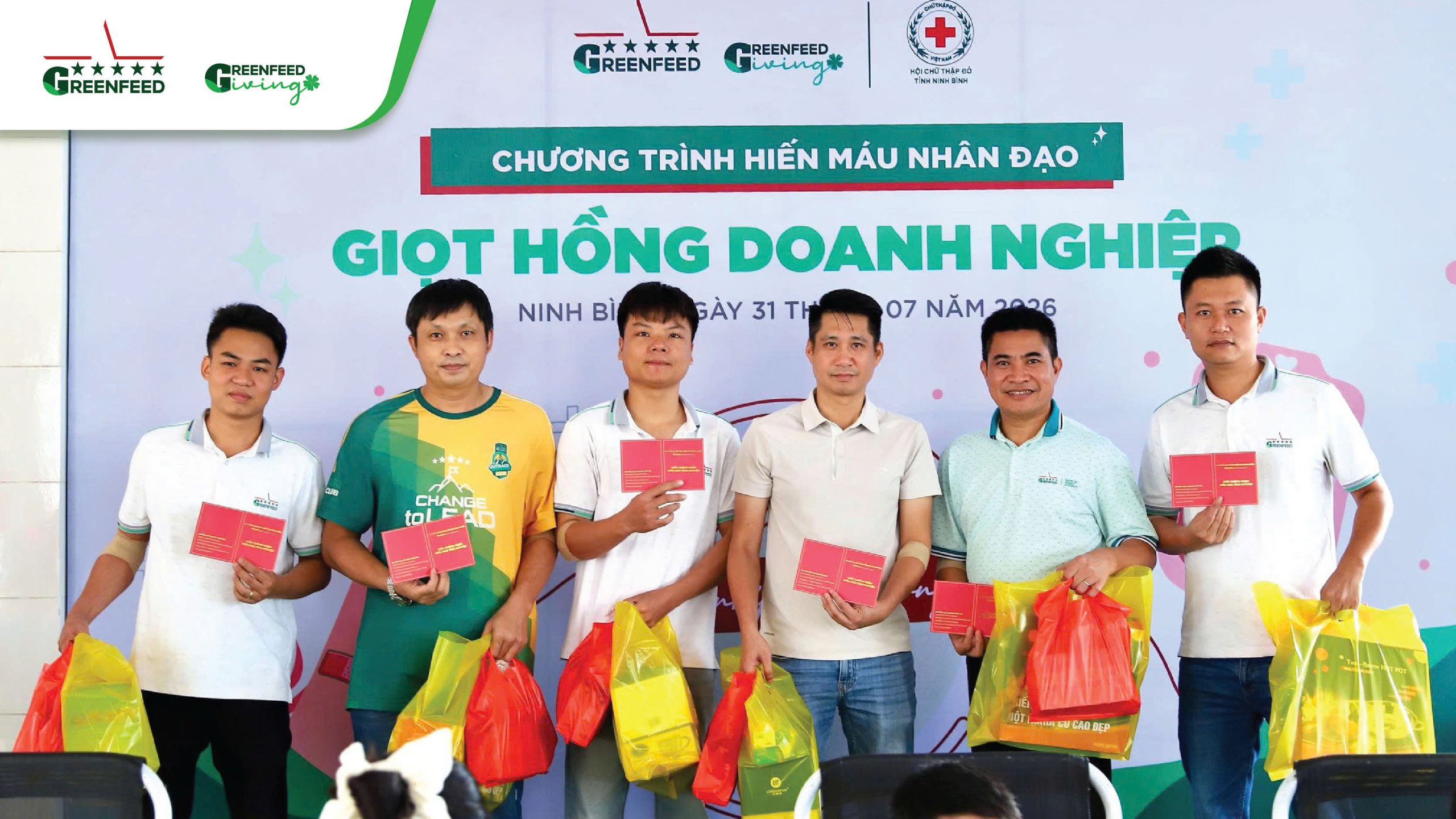
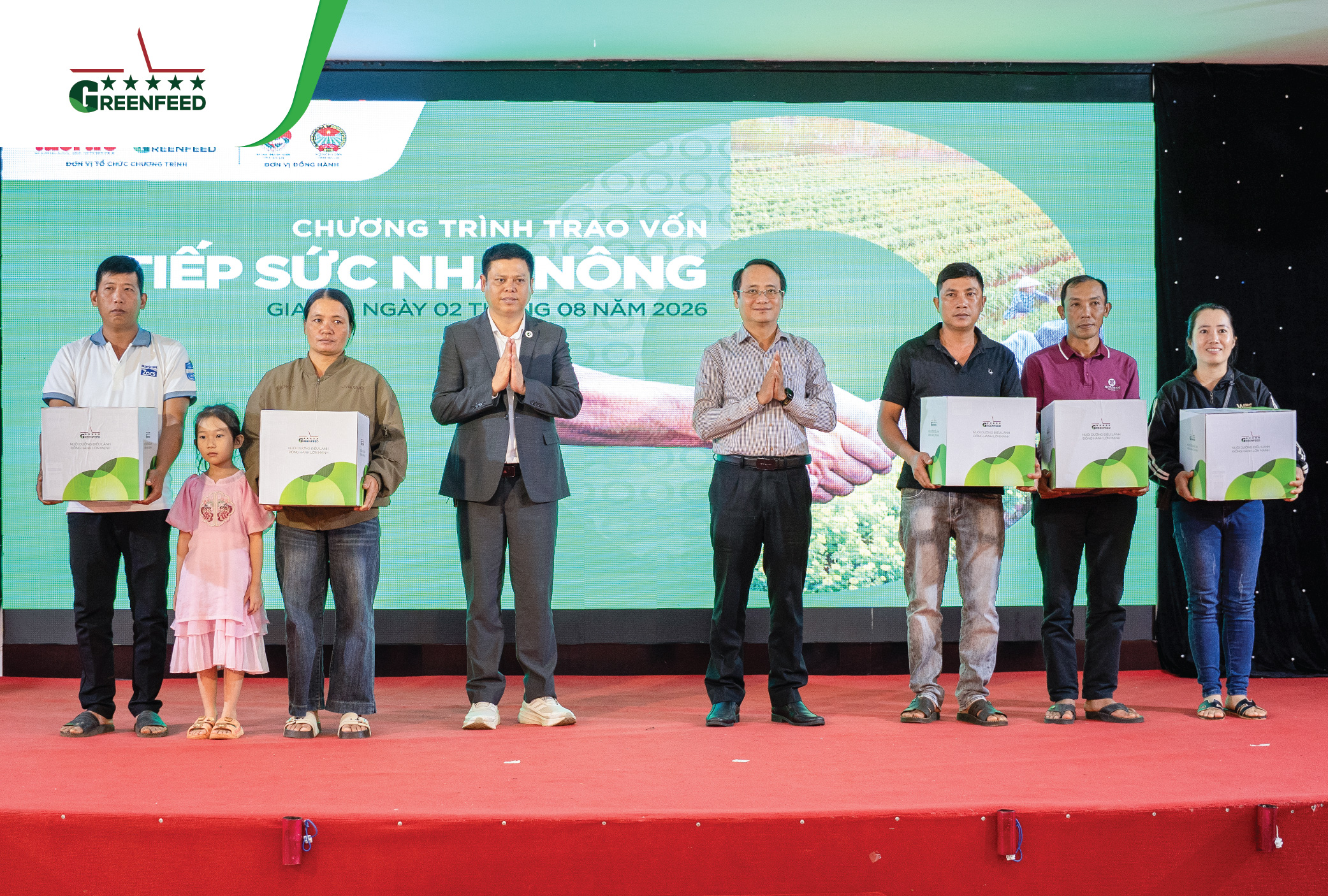
SUPPORTING FARMERS 2026: EXTENDING LIVELIHOOD SUPPORT TO FARMERS IN GIA LAI
06-Aug-2026
402.9K
Learn More

S – Social Sustainability
Caring for people, ensuring safety and human rights, providing safe food, and supporting livelihoods and communities.

G – Sustainable Governance and Value Chain
Integrating ESG into governance and risk management, building a responsible supply chain, and strengthening transparency.

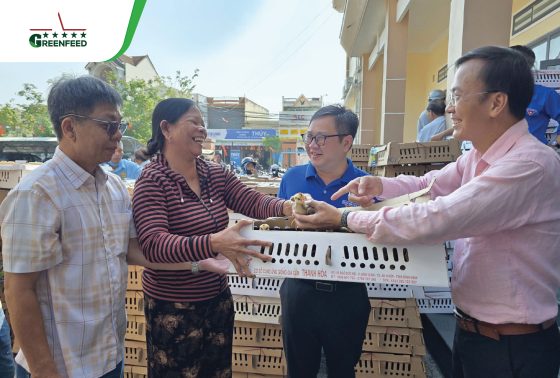
GREENFEED CONTINUES POST STORM SUPPORT, STANDING WITH THE NEXT GENERATION
285.2K

Sign up for the latest newsletter from GREENFEED!

GREENFEED VIETNAM
GREENFEED VIETNAM
