vi
vi
 Popular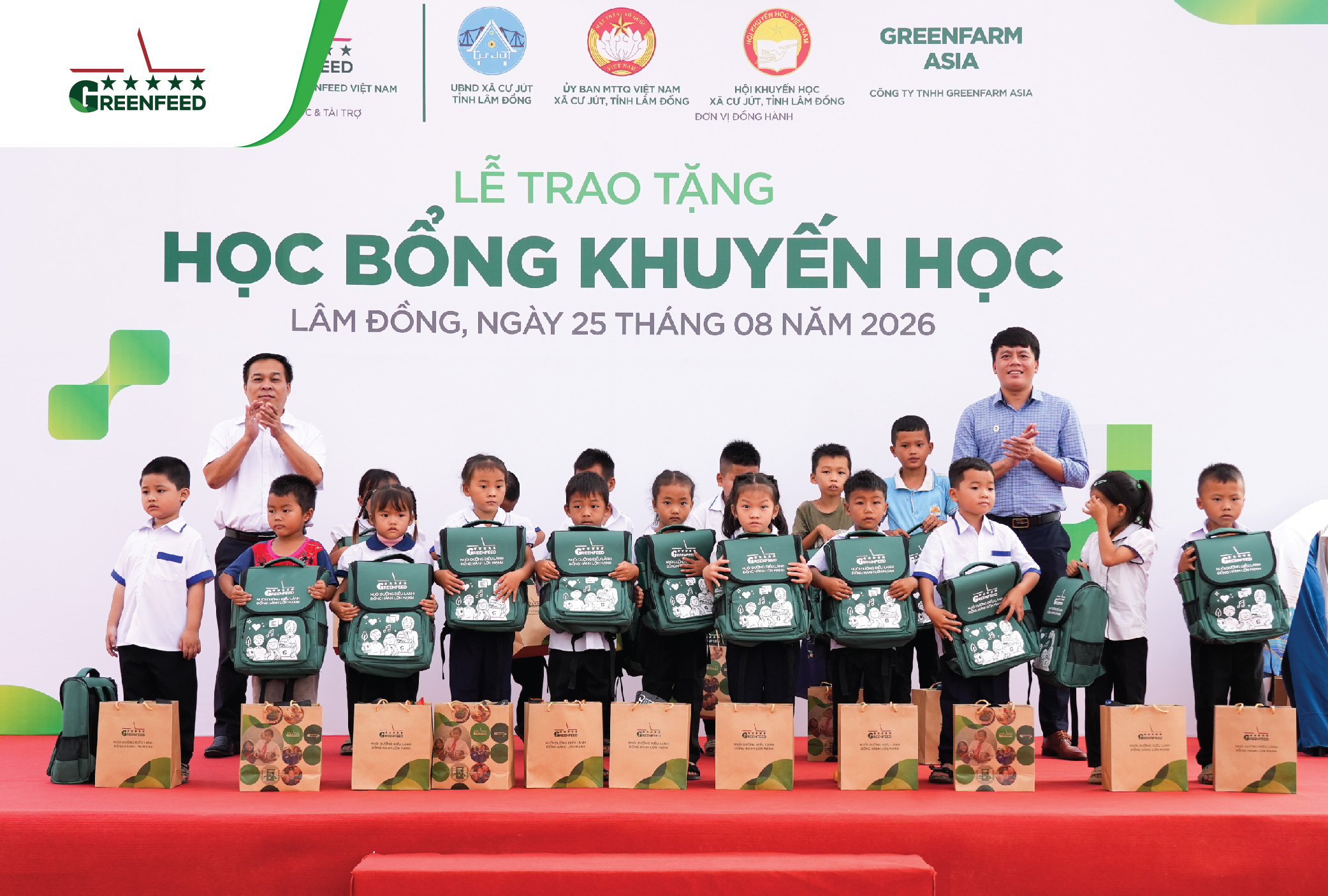
GREENFEED SUPPORTS SCHOOLS AND STUDENTS IN TAY NINH AND LAM DONG
 05-Oct-2026
 44K
44K
GREENFEED sees good governance as the foundation for turning ESG commitments into real results. We are progressively integrating ESG into strategy, risk management, investment, operations and the supply chain; upholding integrity, responsibility and transparency; and applying data and technology to improve traceability, governance effectiveness and decision-making.


Integrate material ESG factors into governance and decision-making, with clearly defined responsibilities from leadership to implementing units.
Operate lawfully, with integrity and transparency, in line with the GREENFEED Way and the Code of Conduct.
Proactively identify, assess and manage ESG risks and opportunities that may affect people, the environment, operations and the company’s long-term value.
Build a transparent, traceable and responsible supply chain based on long-term partnership and shared growth with suppliers.
Progressively strengthen the ESG data system to support governance, measure performance and provide reliable information to stakeholders.
Protect the information and data of customers, partners, employees and the company in line with the law and internal regulations.
Maintain responsible dialogue with stakeholders to understand expectations, identify impacts and improve the quality of decisions.
 05-Oct-2026
44K
05-Oct-2026
44K
![[GROWING GREEN #5] SUSTAINABLE RAW MATERIAL MANAGEMENT](https://www.greenfeed.com.vn/wp-content/uploads/2026/09/2026_ESG_Nguyen_lieu_thumb_800.jpg) 24-Sep-2026
138.8K
24-Sep-2026
138.8K
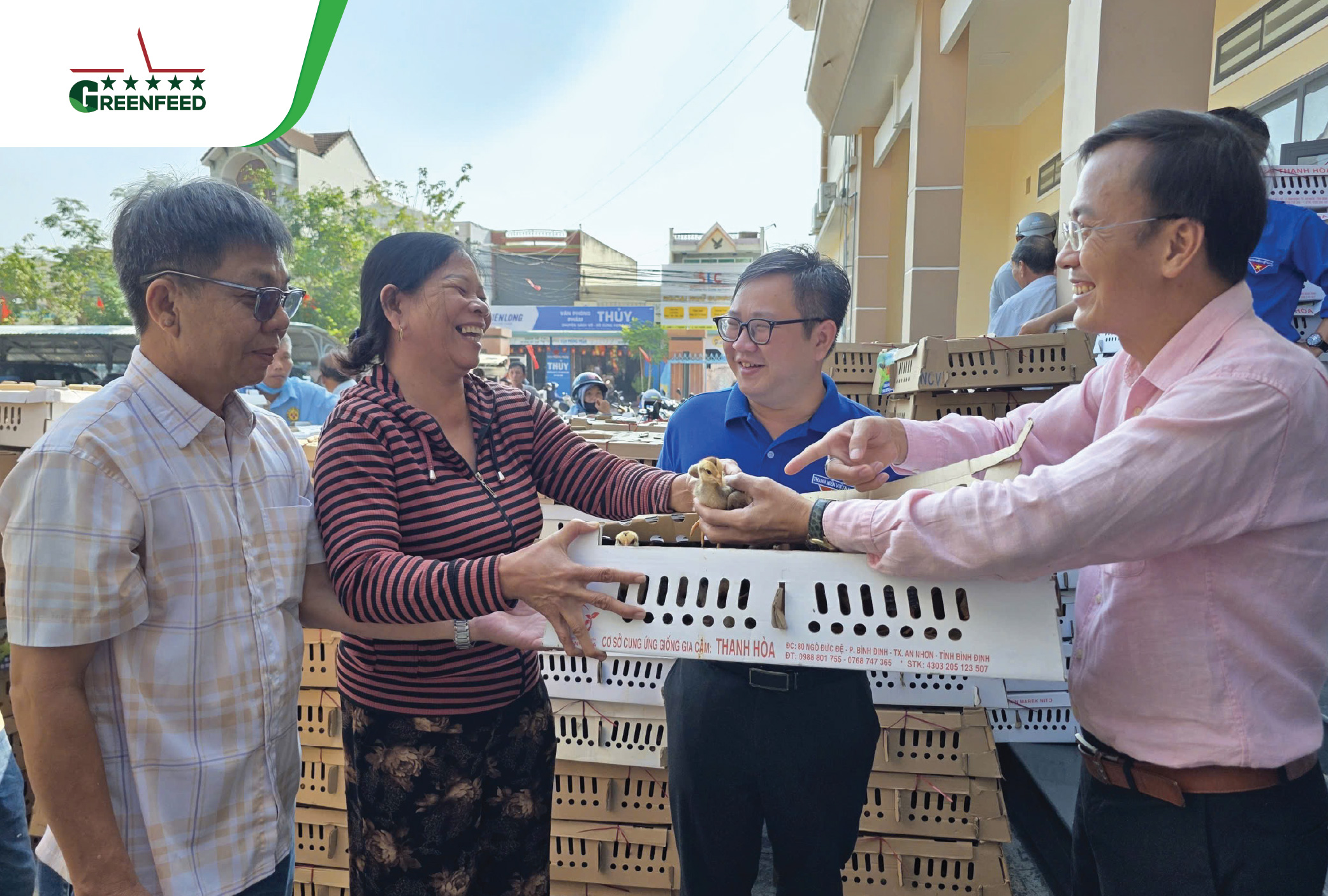 23-Sep-2026
160.8K
23-Sep-2026
160.8K
![[GROWING GREEN #4] ENSURING FOOD SAFETY THROUGH RIGOROUS QUALITY CONTROL](https://www.greenfeed.com.vn/wp-content/uploads/2026/09/maxresdefault-3.jpg) 12-Sep-2026
188.5K
12-Sep-2026
188.5K
 10-Sep-2026
212.5K
10-Sep-2026
212.5K
![[GROWING GREEN #3] TRANSITION TO RENEWABLE ENERGY](https://www.greenfeed.com.vn/wp-content/uploads/2026/09/sddefault-1.jpg) 04-Sep-2026
208.6K
04-Sep-2026
208.6K
![[GROWING GREEN #2] BUILDING A WHOLESOME FOOD VALUE CHAIN FROM FARM TO TABLE](https://www.greenfeed.com.vn/wp-content/uploads/2026/08/maxresdefault-1.webp) 29-Aug-2026
249.8K
29-Aug-2026
249.8K
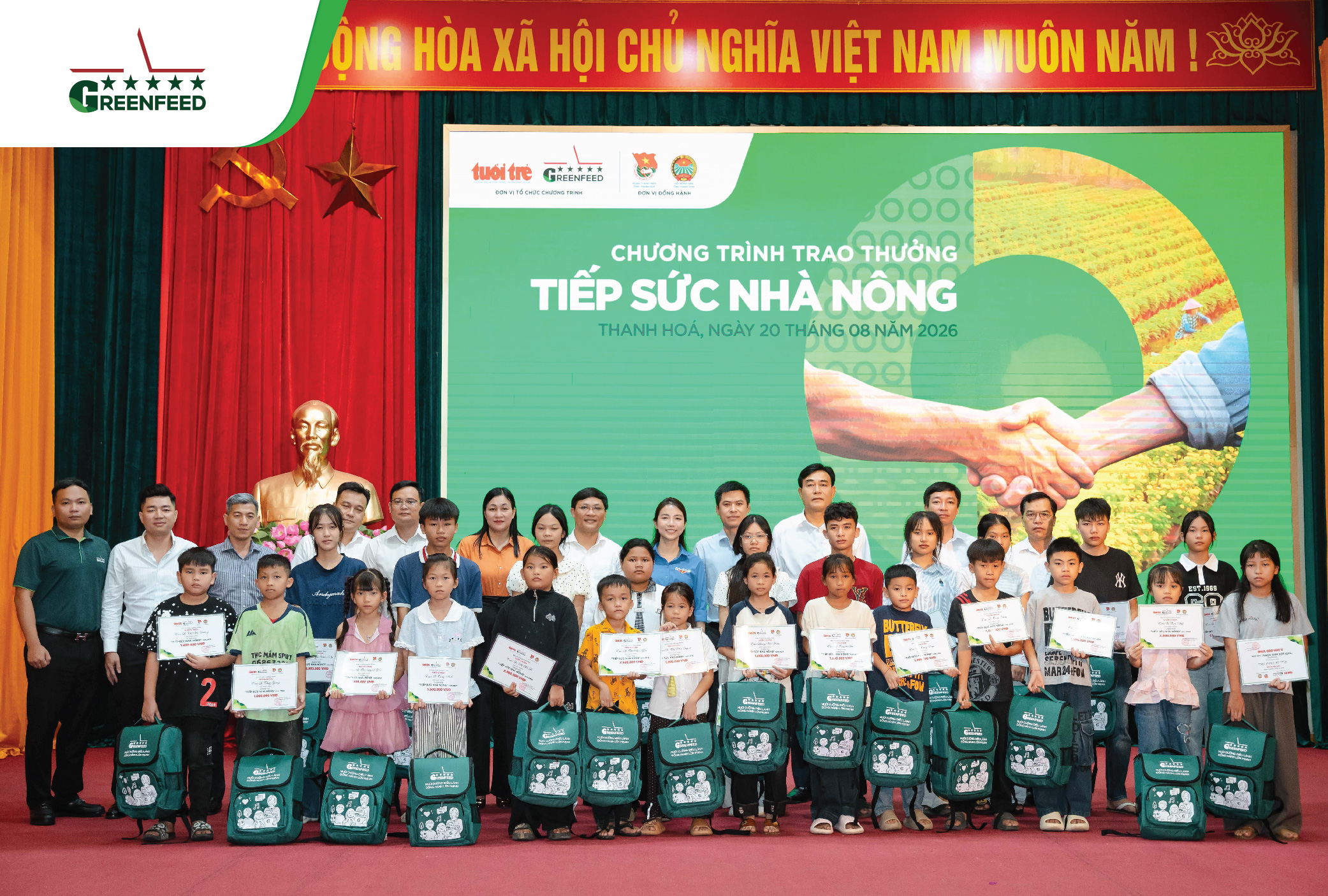
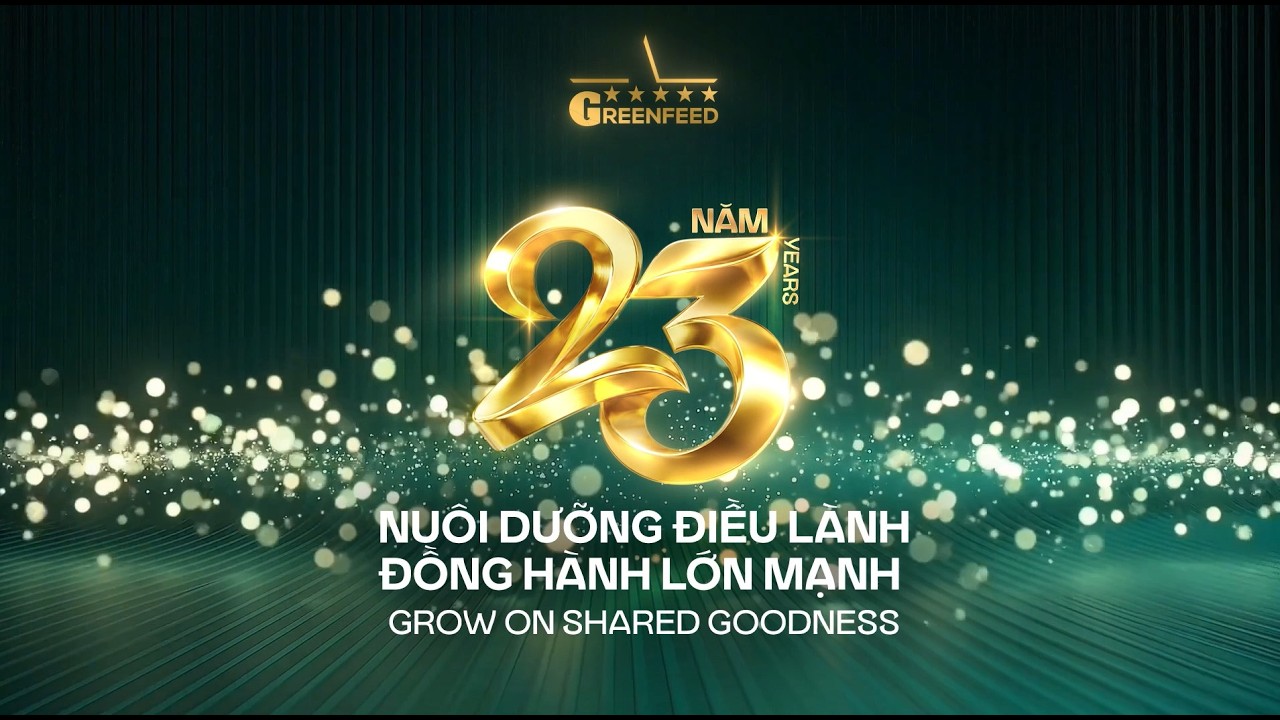
![[RECAP GREENFEED DAY 2026] GREENFEED ENTERS 23RD CHAPTER WITH A JOURNEY OF “IGNITING GROWTH”](https://www.greenfeed.com.vn/wp-content/uploads/2026/08/sddefault-e1787745162903.jpg)
 25-Aug-2026
256.5K
25-Aug-2026
256.5K
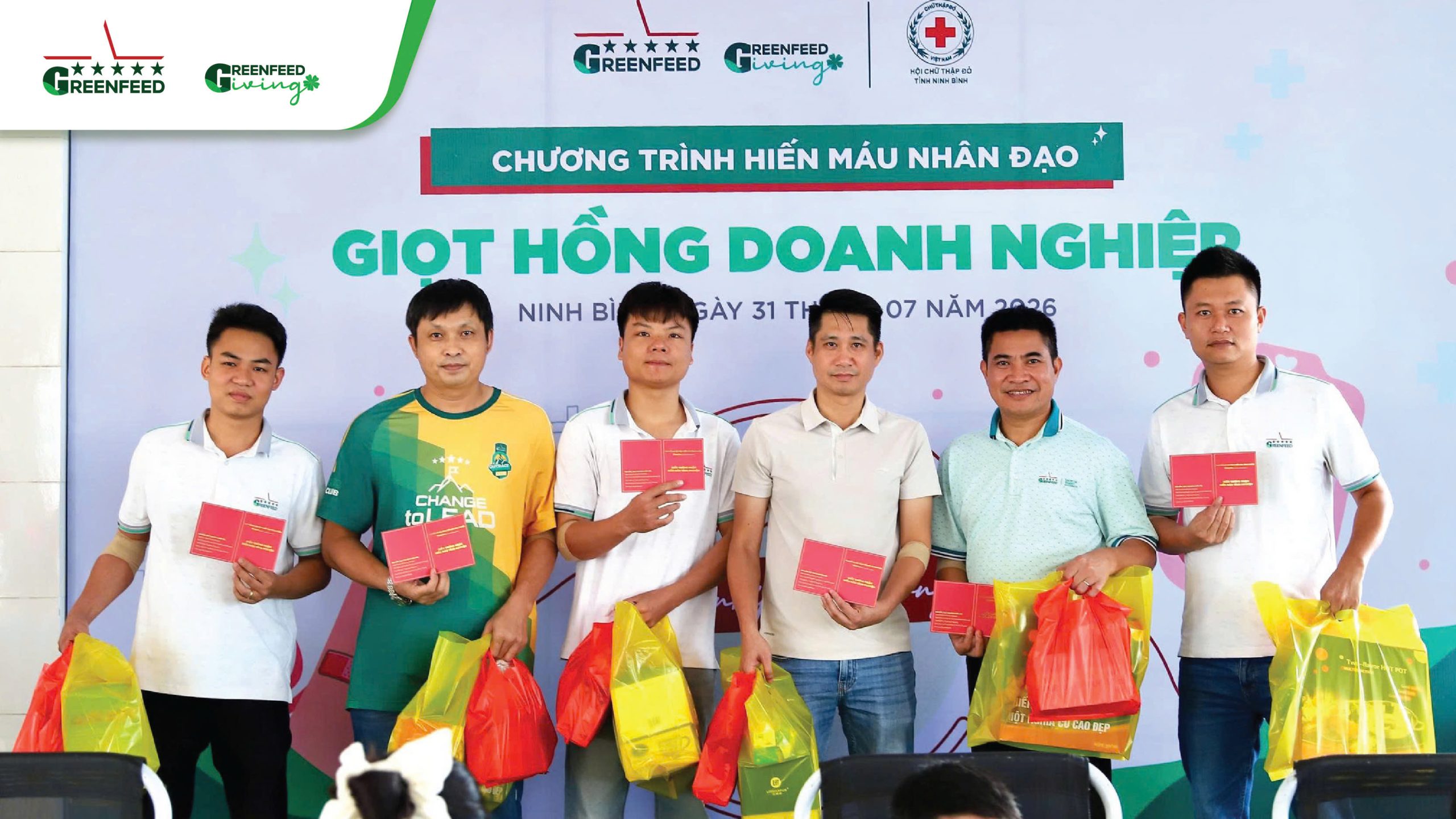
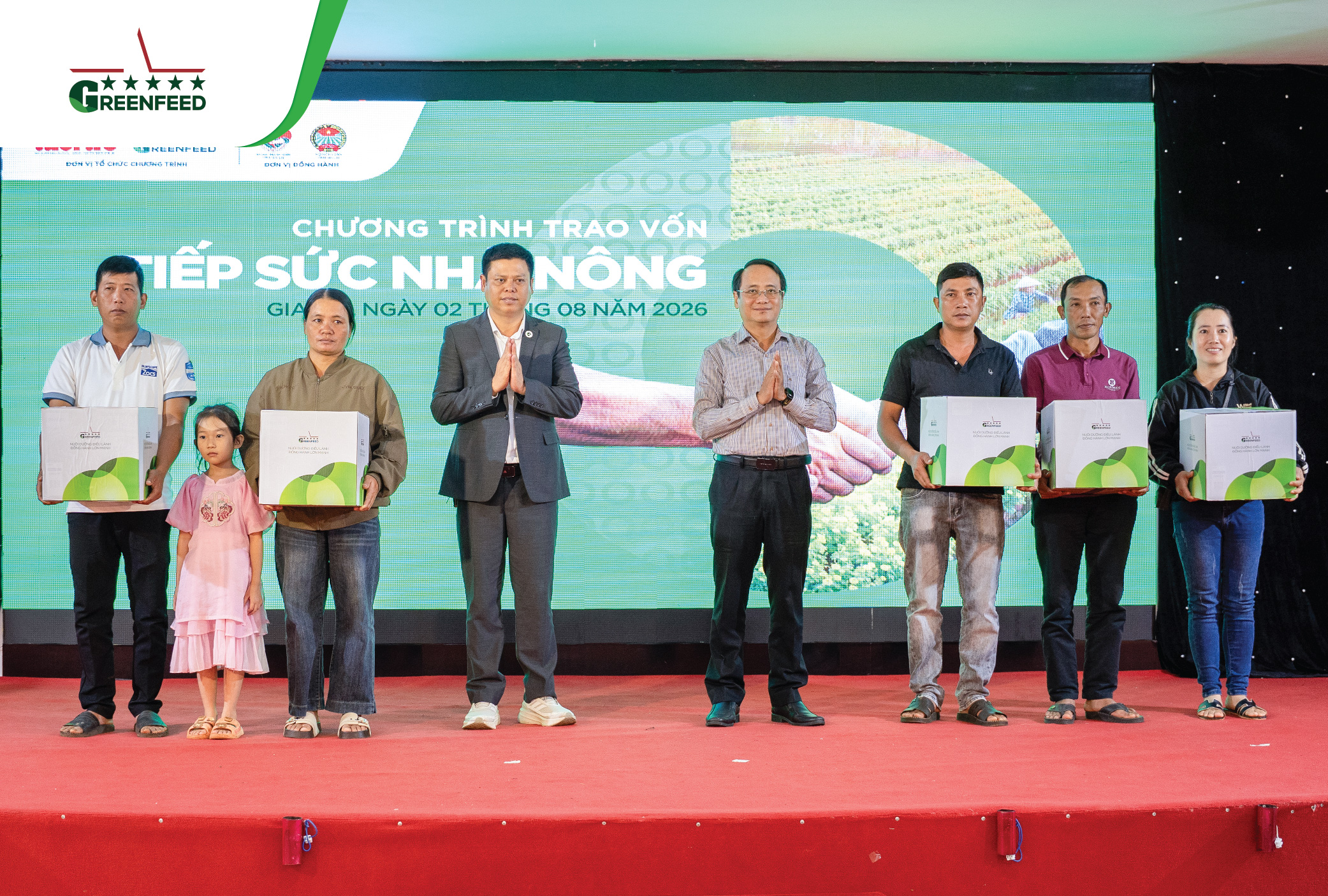 06-Aug-2026
347.4K
06-Aug-2026
347.4K
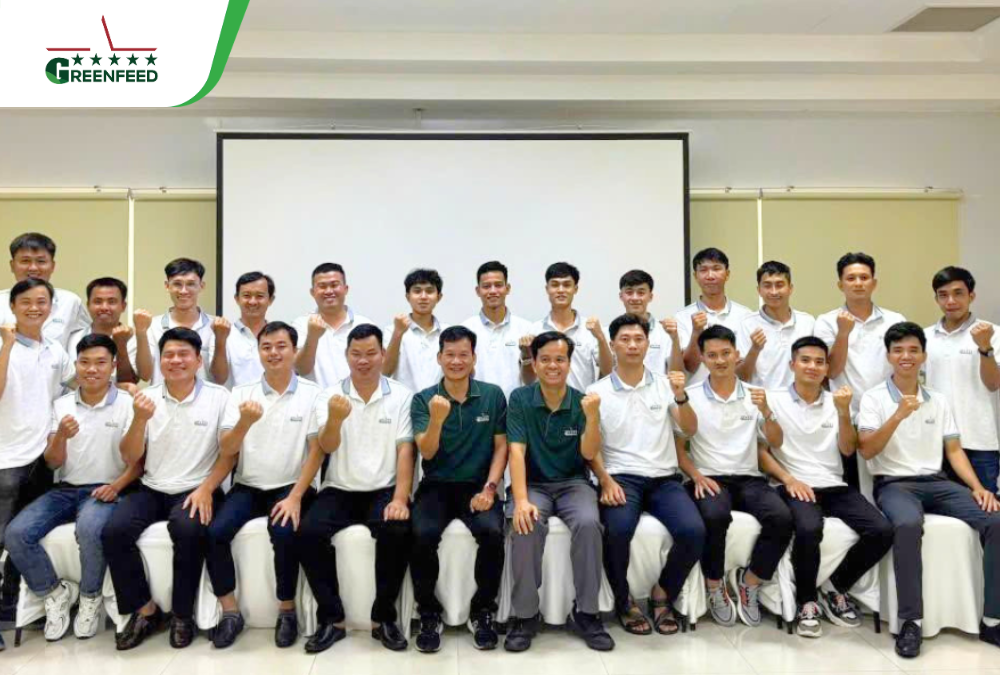
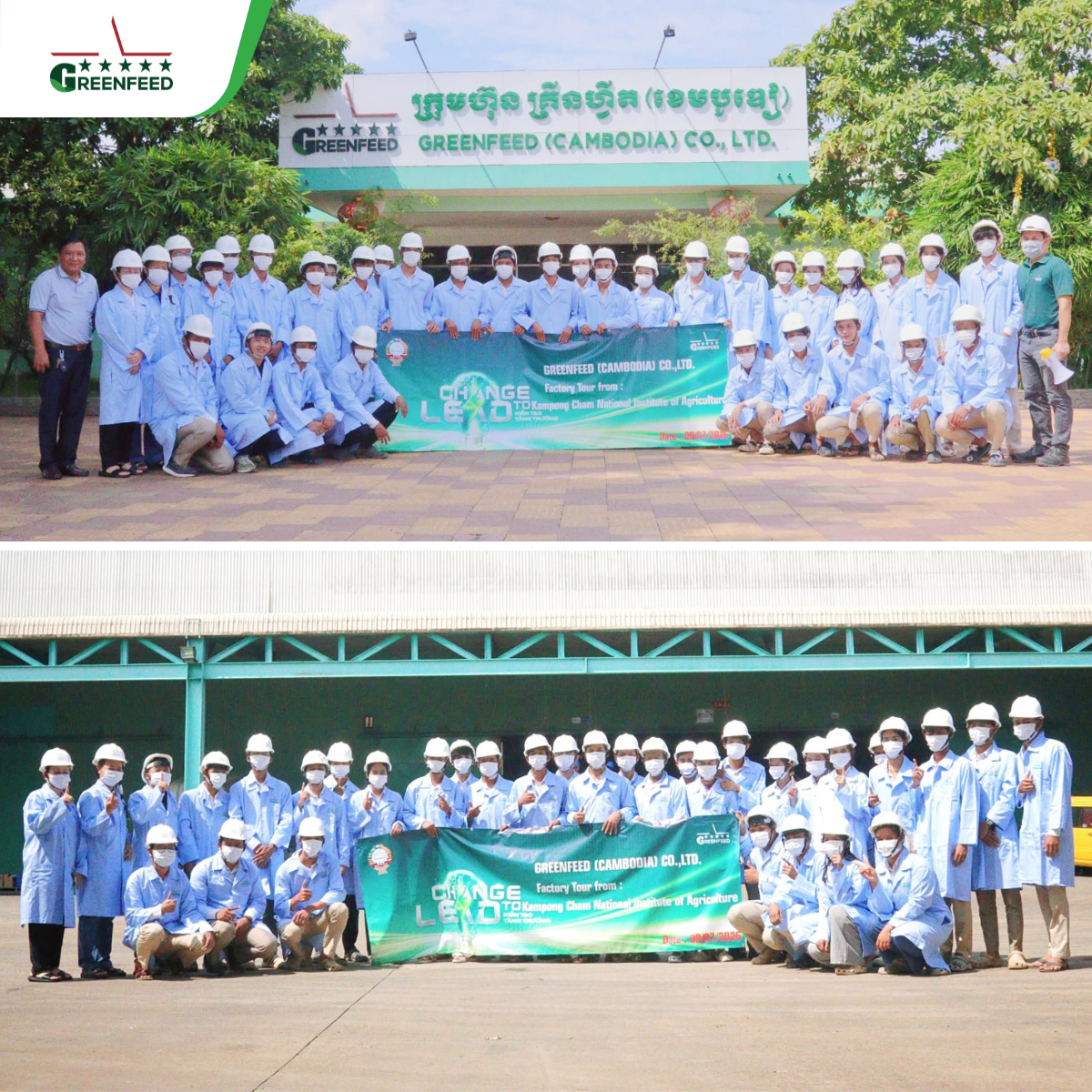


Reducing environmental impact, using resources efficiently, and advancing the circular economy and green transformation.

Caring for people, ensuring safety and human rights, providing safe food, and supporting livelihoods and communities.

 160.8K