 vi
vi Popular
 04-Jun-2026
 928
928 

What is stress in poultry during hot weather?
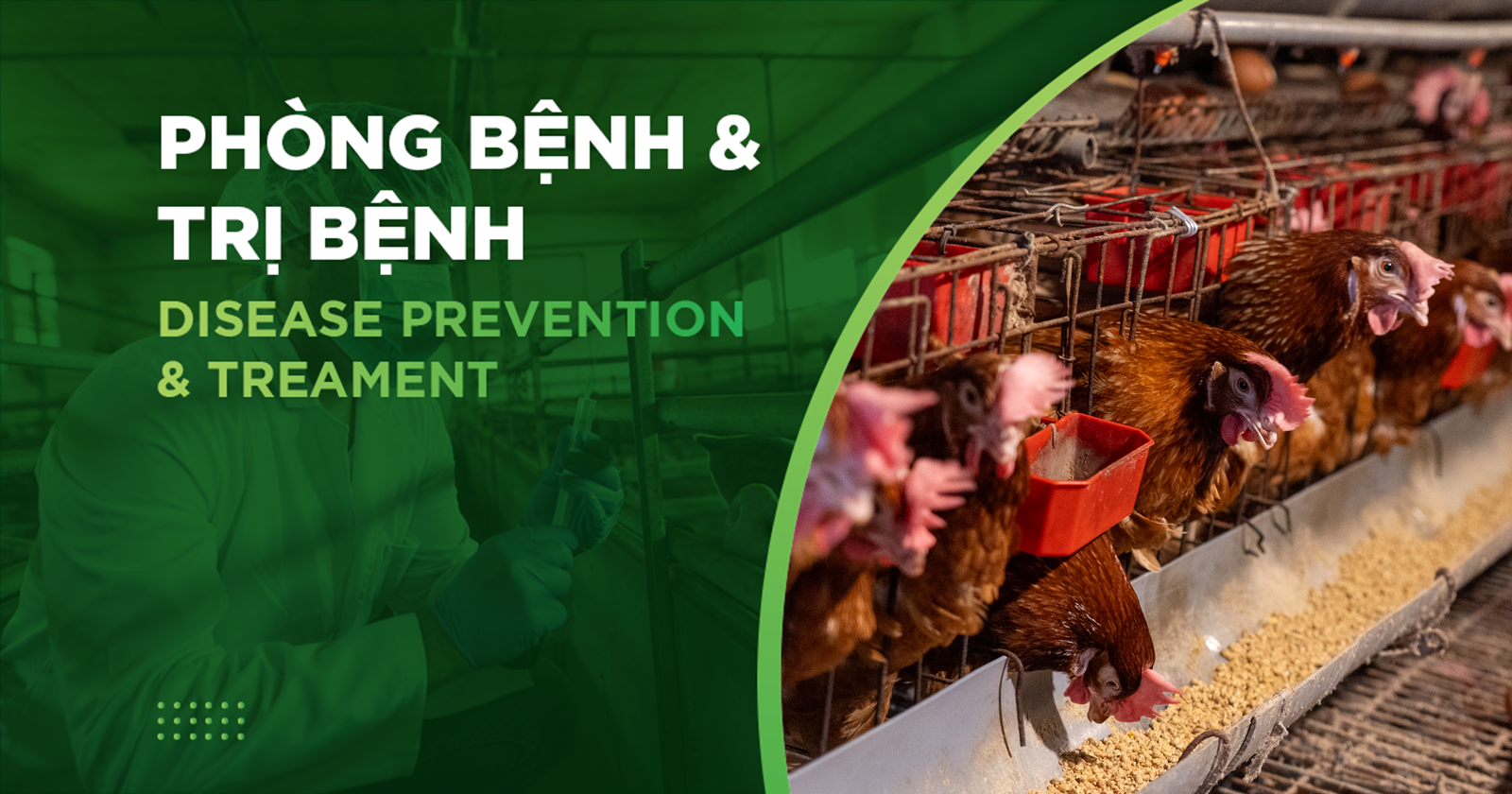
In prolonged hot weather, high temperatures combined with fluctuating humidity are becoming a major challenge for the poultry industry.
Stress in poultry during hot weather is a condition where the body of poultry experiences an imbalance between its ability to generate and dissipate heat, preventing it from regulating its body temperature effectively.
This condition can occur in all breeds and ages and is a direct cause of reduced farming efficiency if not controlled promptly.
1. Causes of Stress in Poultry During Hot Weather
Heat stress doesn’t just come from high temperatures; it’s also due to a combination of factors:
High ambient temperature
When temperatures exceed tolerance levels, poultry must increase their breathing rate to dissipate heat, leading to dehydration and electrolyte loss.
High humidity in the poultry house
High humidity reduces the ability of water to evaporate through respiration – the main cooling mechanism for poultry in hot weather.
High stocking density
High density increases heat generation in the house and reduces air circulation.
Ineffective ventilation and cooling systems
Poorly designed poultry houses or improper operation of cooling pads will increase both temperature and humidity.
2. Signs of Heat Stress in Poultry
Farmers can recognize early signs through the following symptoms:
- Reduced appetite, increased water intake
- Rapid breathing, open beak, spread wings
- Reduced activity, lying down frequently
- Wet droppings, high ammonia odor
- Pecking and biting each other, easily agitated
Early detection helps minimize significant losses.
3. Harmful Effects of Heat Stress on Livestock Productivity
Stress in poultry during hot weather causes many serious consequences:
Reduced productivity
- Reduced weight gain
- Reduced egg production
- Thin-shelled, pale-colored eggs
Increased farming costs
- Increased FCR by 10–12%
- Increased feed costs
Impaired immunity
- Reduced antibodies
- Increased risk of disease
Increased mortality rate
- Electrolyte imbalance
- Oxygen deficiency
- Increased mortality rate
Heat stress can reduce farming efficiency by up to 20–25% if not properly controlled.
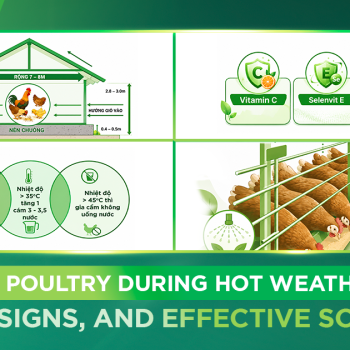
4. Solutions for controlling stress in poultry during hot weather
According to expert recommendations, the following solutions should be implemented simultaneously:
Managing the farm environment
- Increasing ventilation, ensuring appropriate wind speed
- Operating cooling pads correctly (avoiding humidity exceeding 85%)
- Reducing stocking density
- Installing shade to reduce heat radiation
Objective: maintaining poultry in a temperature “comfort zone”.

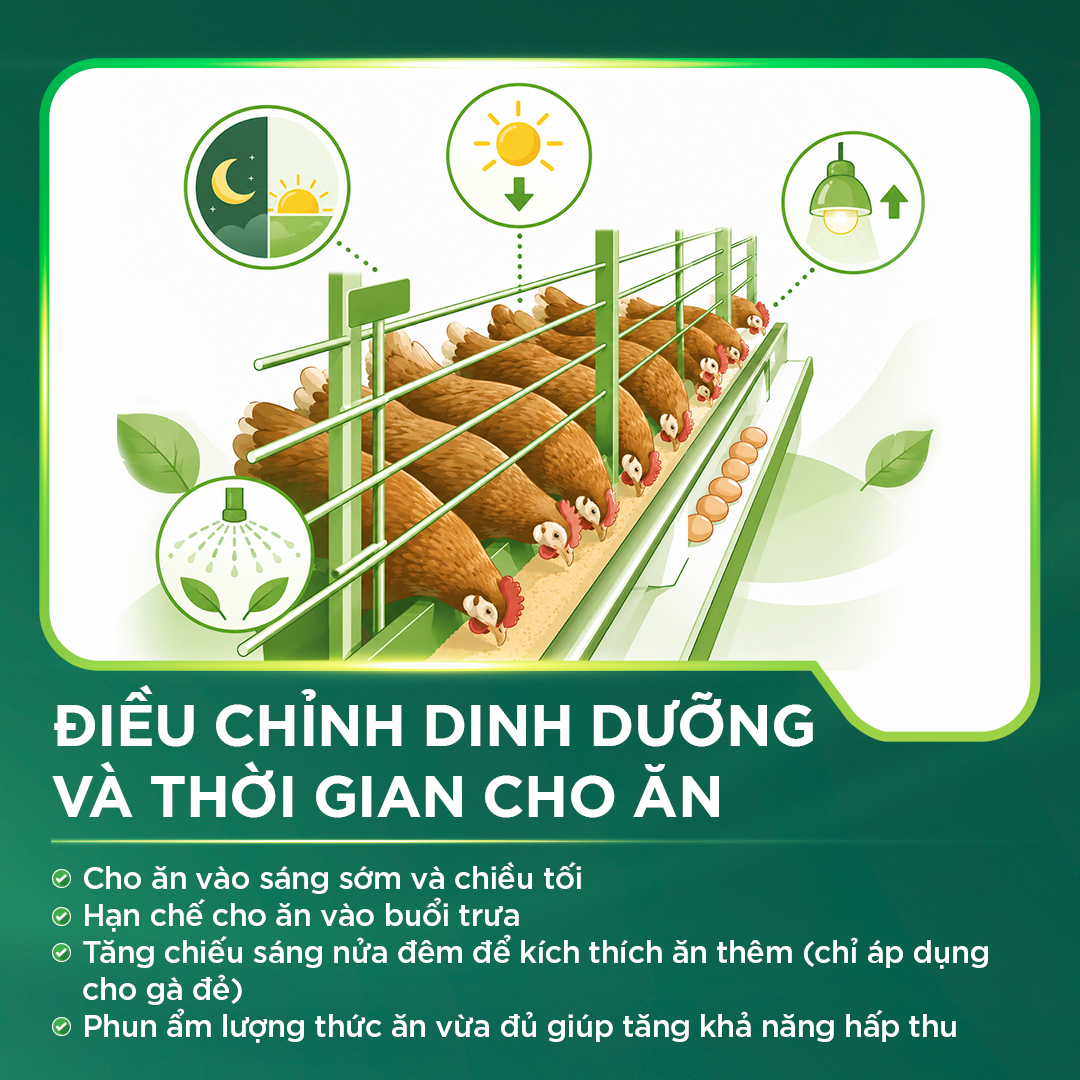
Adjust nutrition and feeding times:
- Feed in the early morning and late evening.
- Limit feeding at midday.
- Increase nighttime lighting to stimulate appetite.
- Spray food with water to improve absorption.
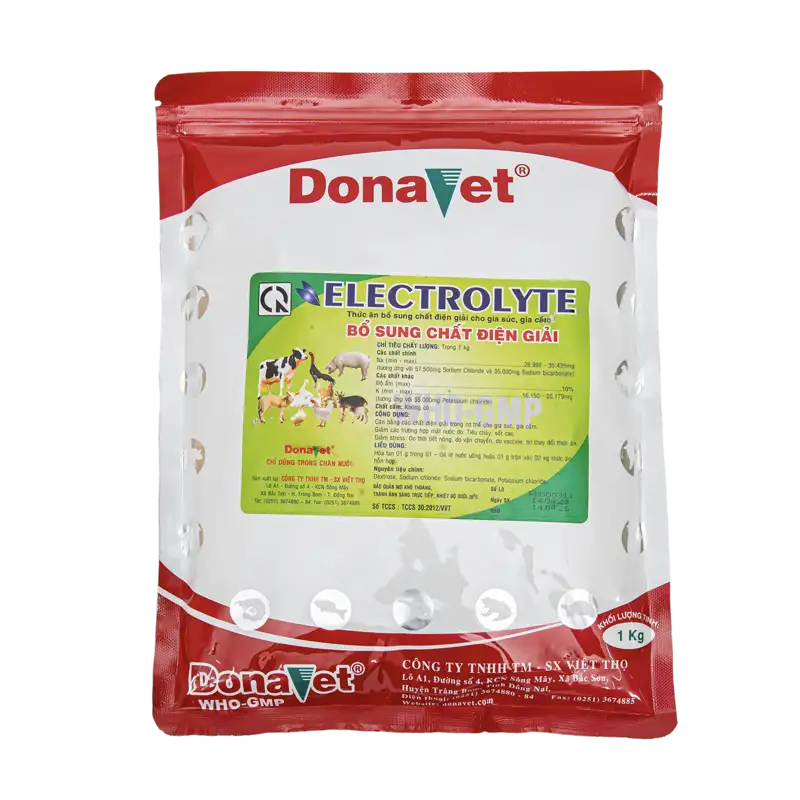
Provide adequate water and electrolytes.
- Always ensure clean, cool water.
- Increase water intake as temperature rises.
- Replenish electrolytes to maintain homeostasis.

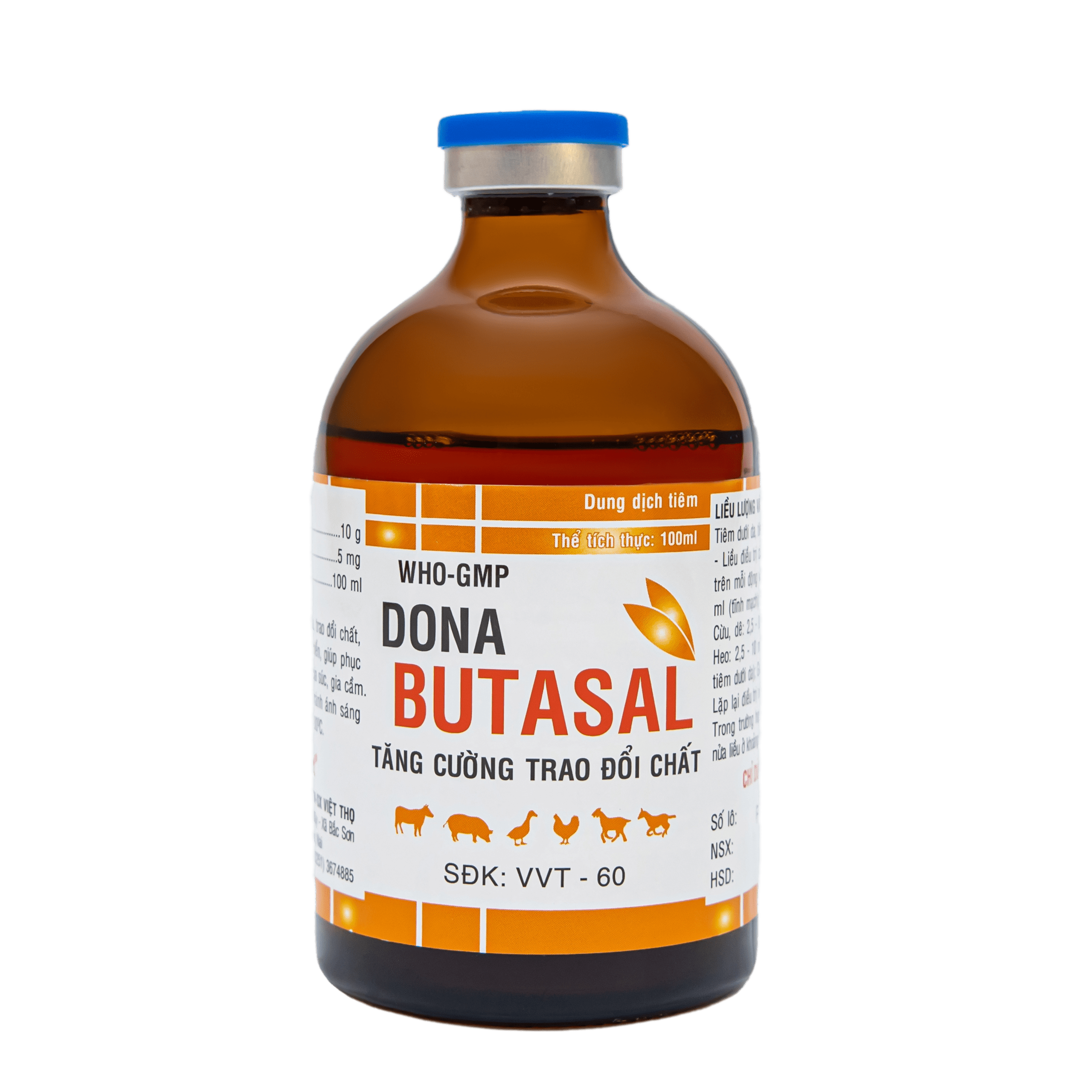
Nutritional supplements:
- Vitamin C: reduces stress, boosts immunity
- Organic Selenium + Vitamin E: supports reproduction and immunity
- Digestive enzymes: stabilizes the digestive system, increases absorption

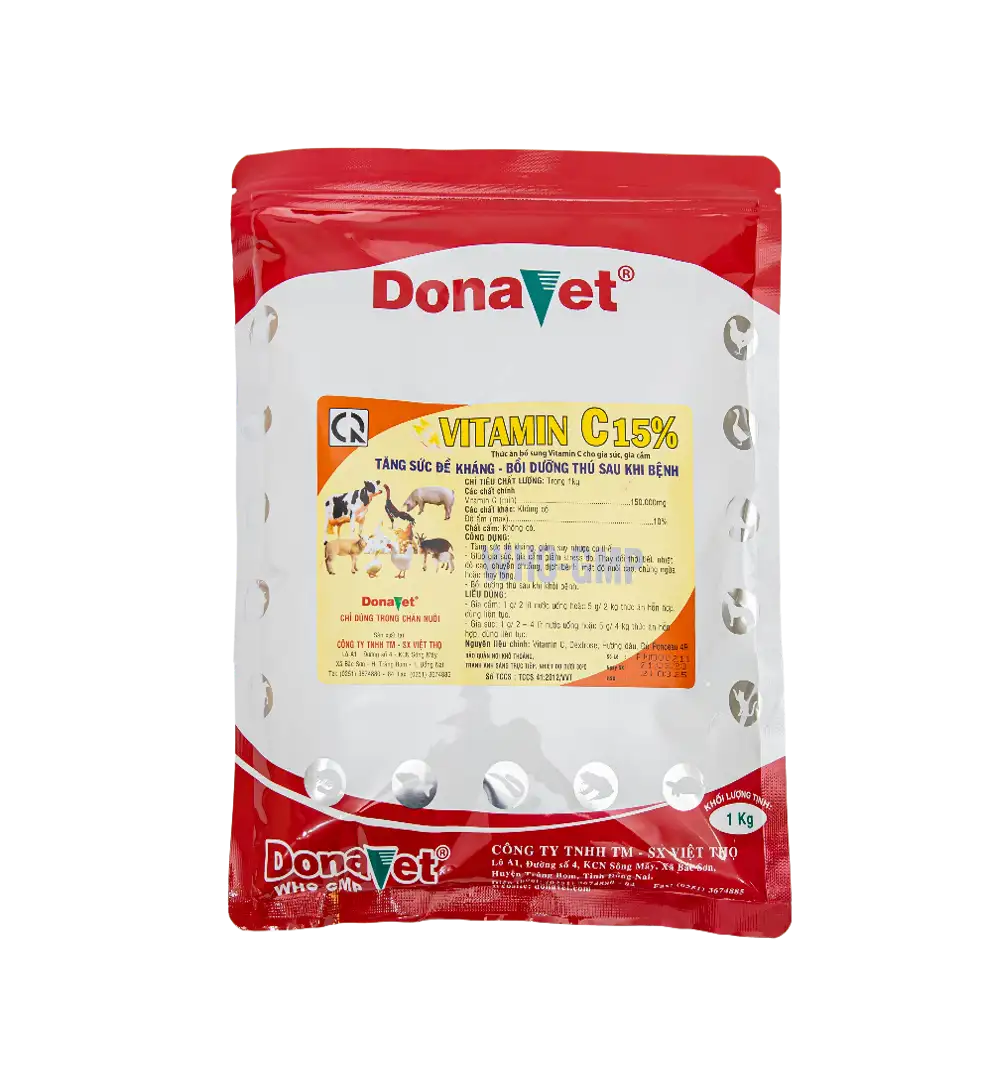
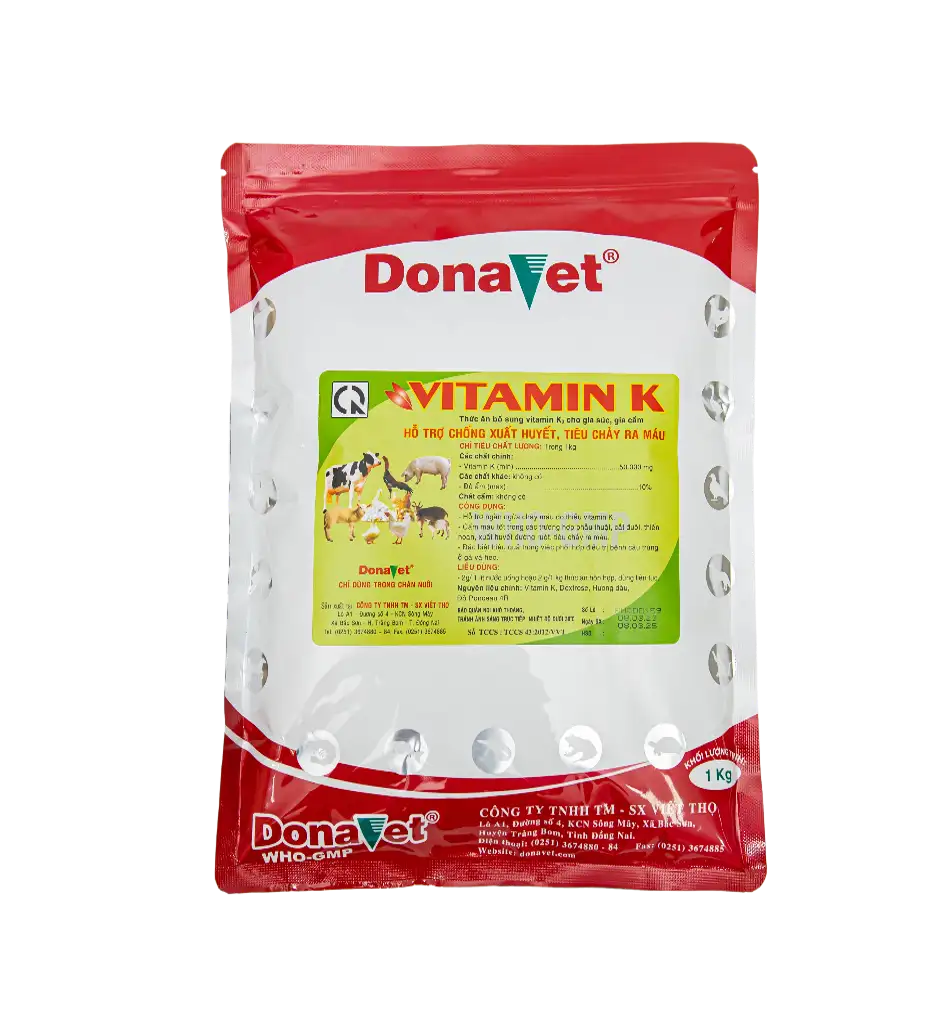
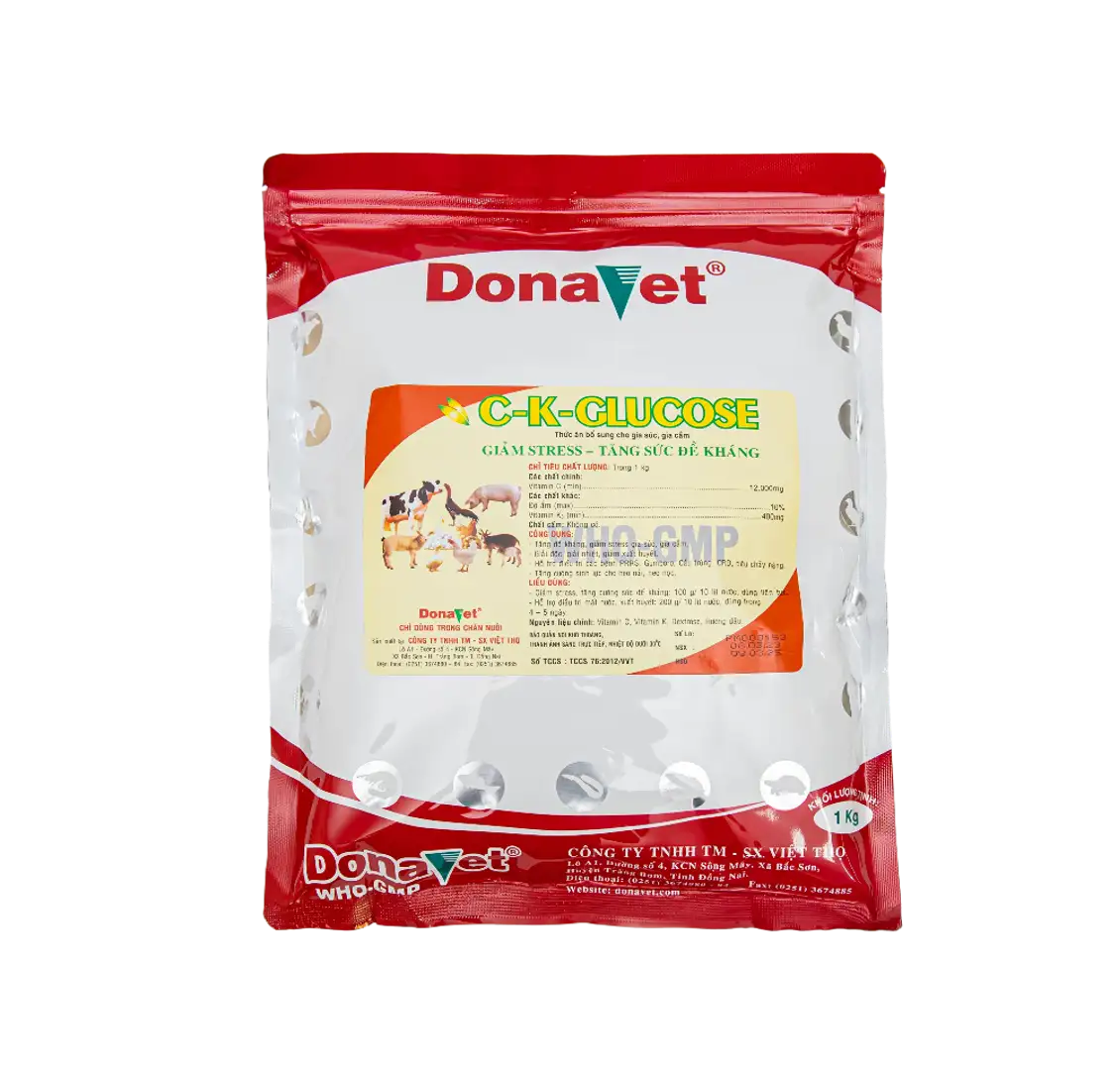
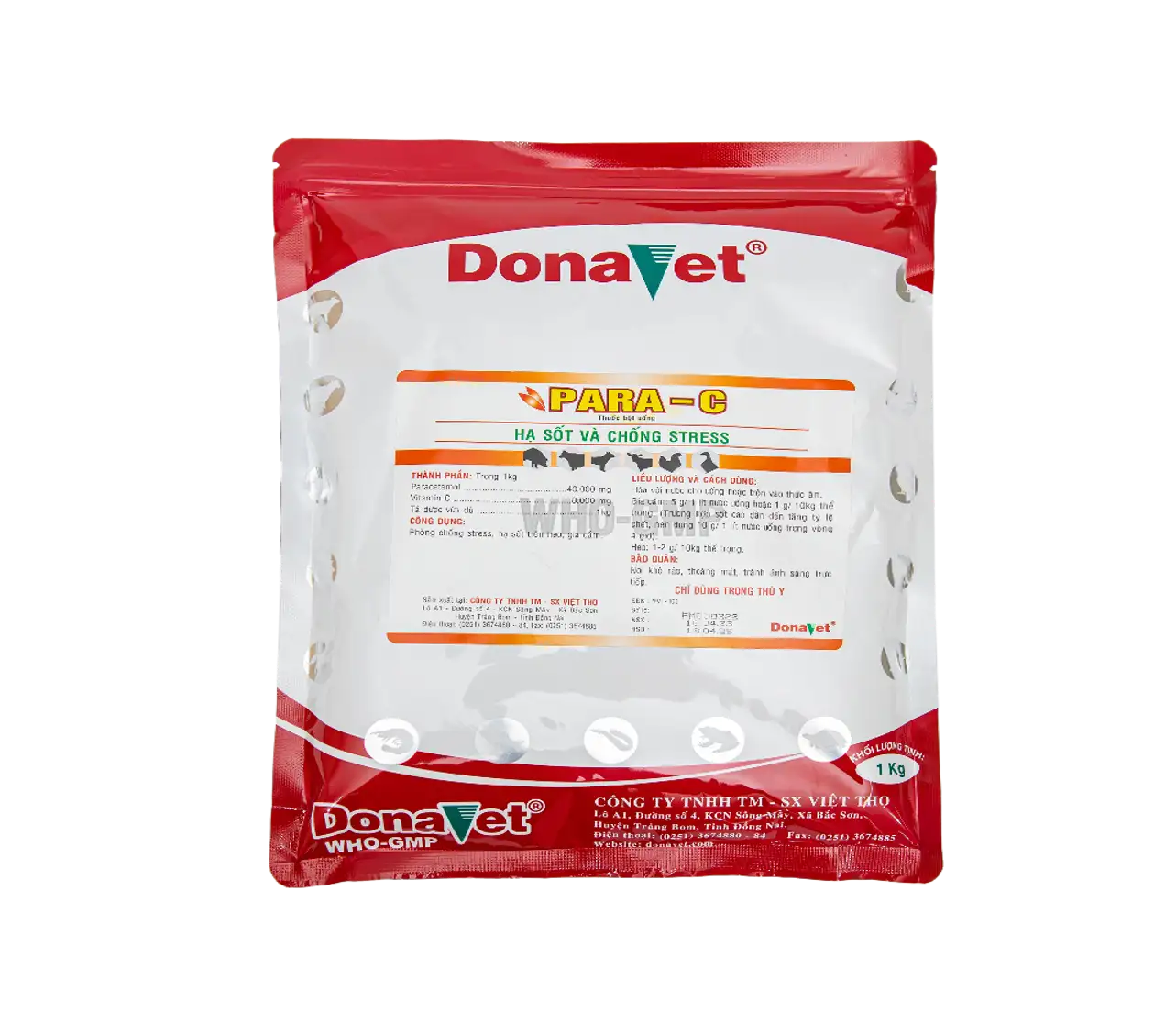
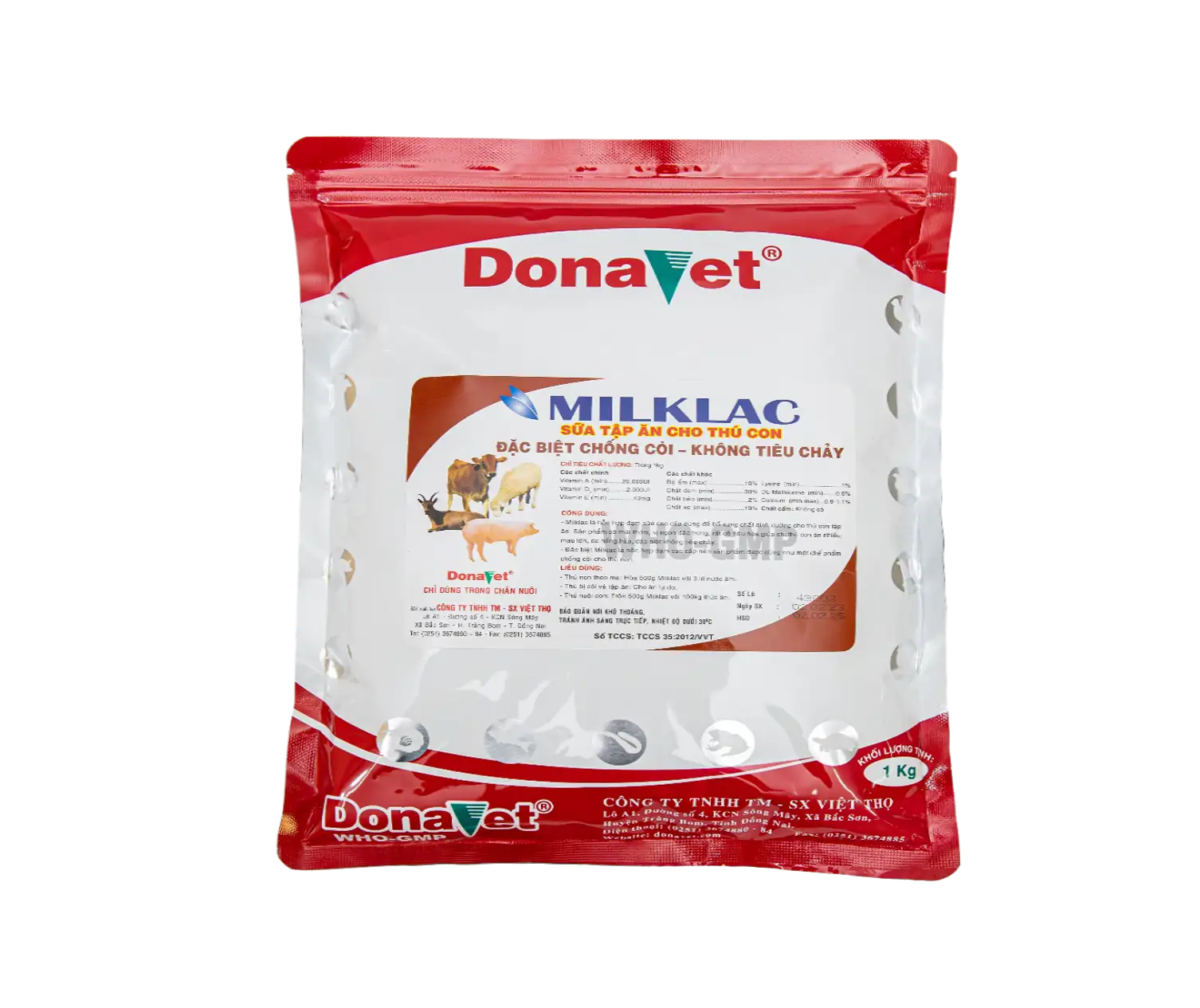


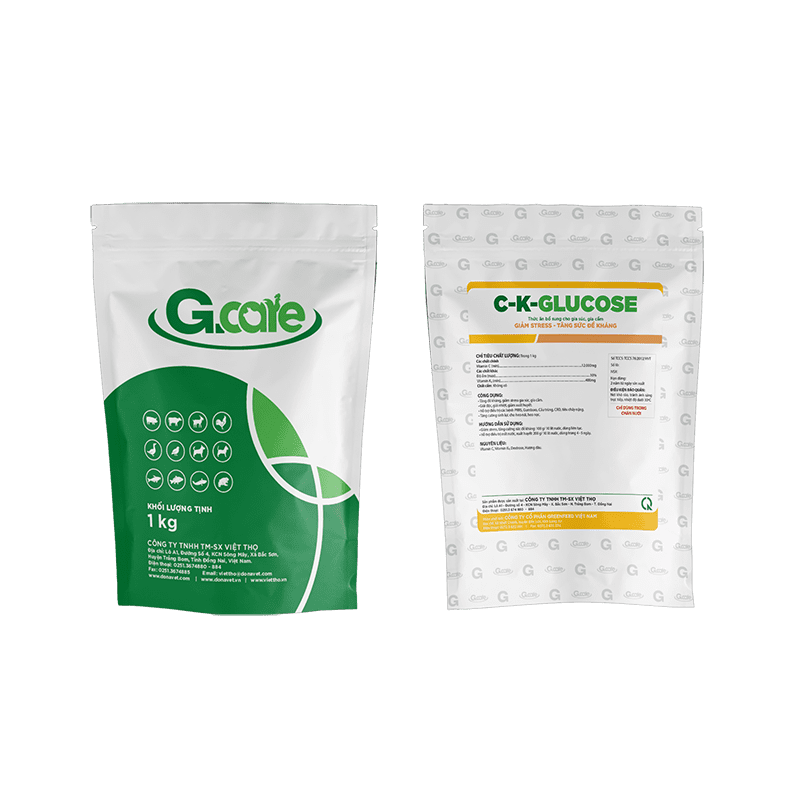
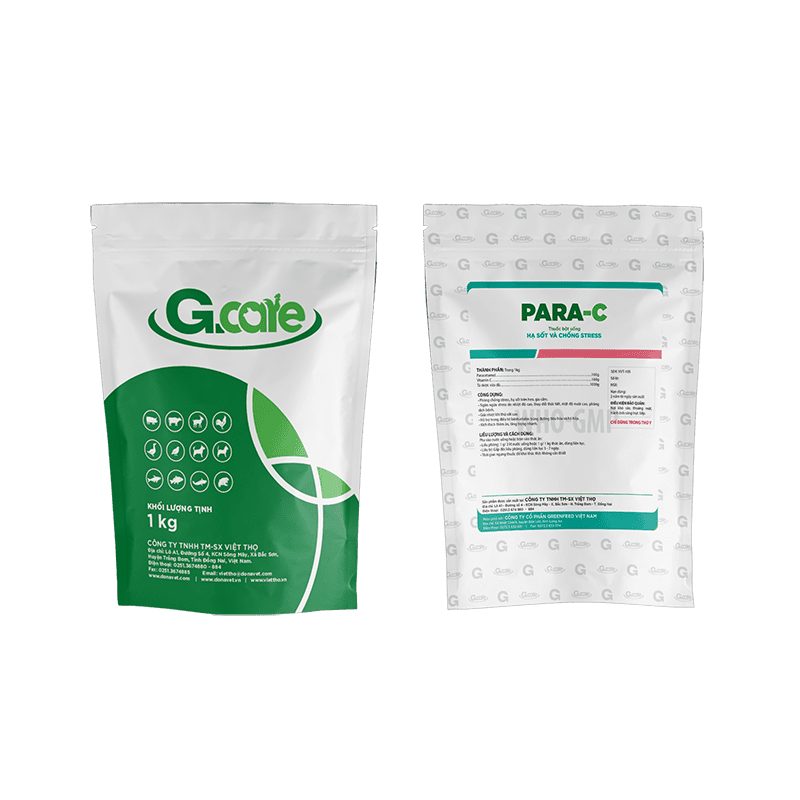
Vitamin
This is an important solution to help poultry adapt better to hot weather conditions.
Conclusion
Stress in poultry during hot weather is a major factor affecting farming efficiency, especially in the context of increasingly harsh weather.
Proactive control from environment and nutrition to operation will help: Reduce losses, stabilize productivity, and optimize farming costs.
Applying the right solutions not only helps protect the poultry flock but also enhances sustainable production efficiency.






 26-Aug-2026