 vi
vi Popular
 29-May-2026
 943
943 

Table of content
What is Porcine Reproductive and Respiratory Syndrome (PRRS) in pigs?
Porcine Reproductive and Respiratory Syndrome (PRRS), also known as blue ear disease in pigs, is a dangerous infectious disease that significantly impacts the reproductive performance and growth of pig herds.
The disease not only reduces conception rates and increases piglet mortality but also weakens the pigs’ immune systems, making them susceptible to secondary infections such as pasteurellosis, paratyphoid, or E. coli.
1.Causes and Transmission Routes of Porcine Reproductive and Respiratory Syndrome (PRRSV)
1.1 Causes
The disease is caused by the PRRSV virus (Porcine Reproductive and Respiratory Syndrome Virus) belonging to the Arteriviridae family.
The virus attacks lung macrophages, weakening the immune system and making pigs susceptible to other diseases.
1.2 Transmission Routes
Direct Transmission
- Contact with infected pigs
- Transmission from mother to offspring via placenta or milk
Indirect Transmission
- Through the air at close range
- Through semen during mating
- Through farming equipment, feed, and water
The virus can survive in recovered pigs for up to 17 weeks, increasing the risk of spreading within the herd.
2.Epidemiology of Porcine Reproductive and Respiratory Syndrome (PRRS)
When is the disease most likely to break out?
The disease can occur year-round but usually breaks out strongly in the spring and summer (March-June) when the weather is humid and unpredictable.
High risk when:
- High stocking density
- Poorly ventilated barns
- Importing pigs from multiple sources
Can PRRS be transmitted to humans?
PRRS is not transmissible to humans. However, consuming pork from infected pigs or those with secondary bacterial infections can cause digestive problems, so food safety must be ensured.
3.Symptoms of Porcine Reproductive and Respiratory Syndrome (PRRS) in Pigs
The name “PRRS” comes from the cyanosis (bluish discoloration) of the ears. Symptoms vary depending on the pig group:
Sows
- High fever (40-42°C), loss of appetite
- Miscarriage, stillbirths
- Weak piglets, loss of milk
Pigs
- Fever, emaciation, poor suckling
- Diarrhea, difficulty breathing
- High mortality rate (30-50%)
Market pigs and weaned pigs
- High fever, slow growth
- Cold ears, trembling
- Morality rate (12-15%), possibly higher
Boars
- Reduced libido, reduced semen quality
- Difficulty breathing, fever
4. Typical Pathological Lesions
- Cyanosis of the skin of the ears, snout, and abdomen
- Swollen lungs, interstitial pneumonia
- Swollen lymph nodes
- Accumulation of fluid in the abdominal cavity
- Multi-organ hemorrhage
5. Diagnosis and Differentiation
Definitive diagnosis requires a combination of clinical and laboratory tests:
- ELISA test: Blood samples from suspected infected pigs are tested for serological analysis to assess antibody levels in the entire herd.
- RT-PCR test: Can detect the virus even when pigs do not show clear symptoms from blood, bronchial fluid, or lung tissue samples.
- IFA and IFC tests: Used to detect the virus in tissue using fluorescent antibodies or immunohistochemistry.
- Virus isolation: Helps identify the PRRSV strain.
In addition, it is necessary to differentiate Porcine Reproductive and Respiratory Syndrome (PRRSV) from:
- Classical Swine Fever (CSF): Involves hemorrhage but not reproductive disorders.
- Pasteurellosis, pneumonia: Only causes respiratory disease, without symptoms of PRRSV.
6.Methods for preventing blue er disease in pigs.
- Regular cleaning and disinfection
- Quarantine newly imported pigs for a minimum of 2 weeks
- Separate sick pigs
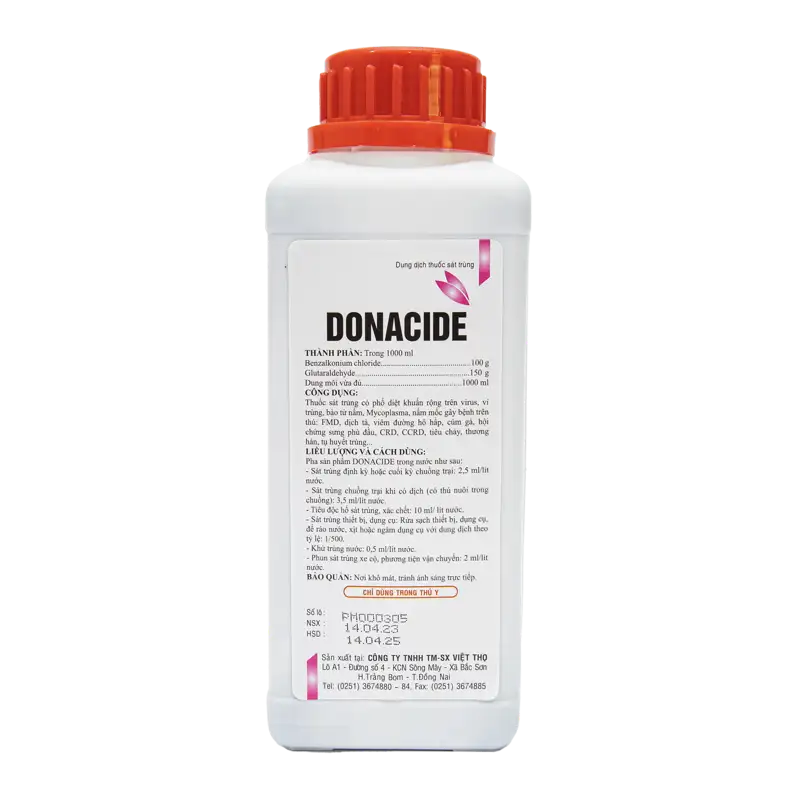
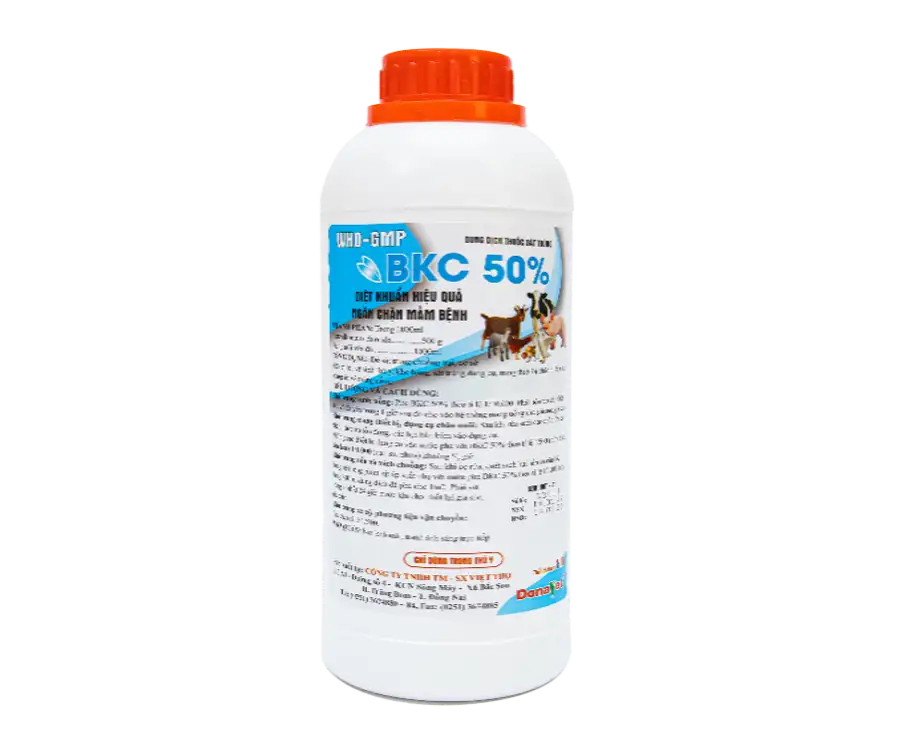
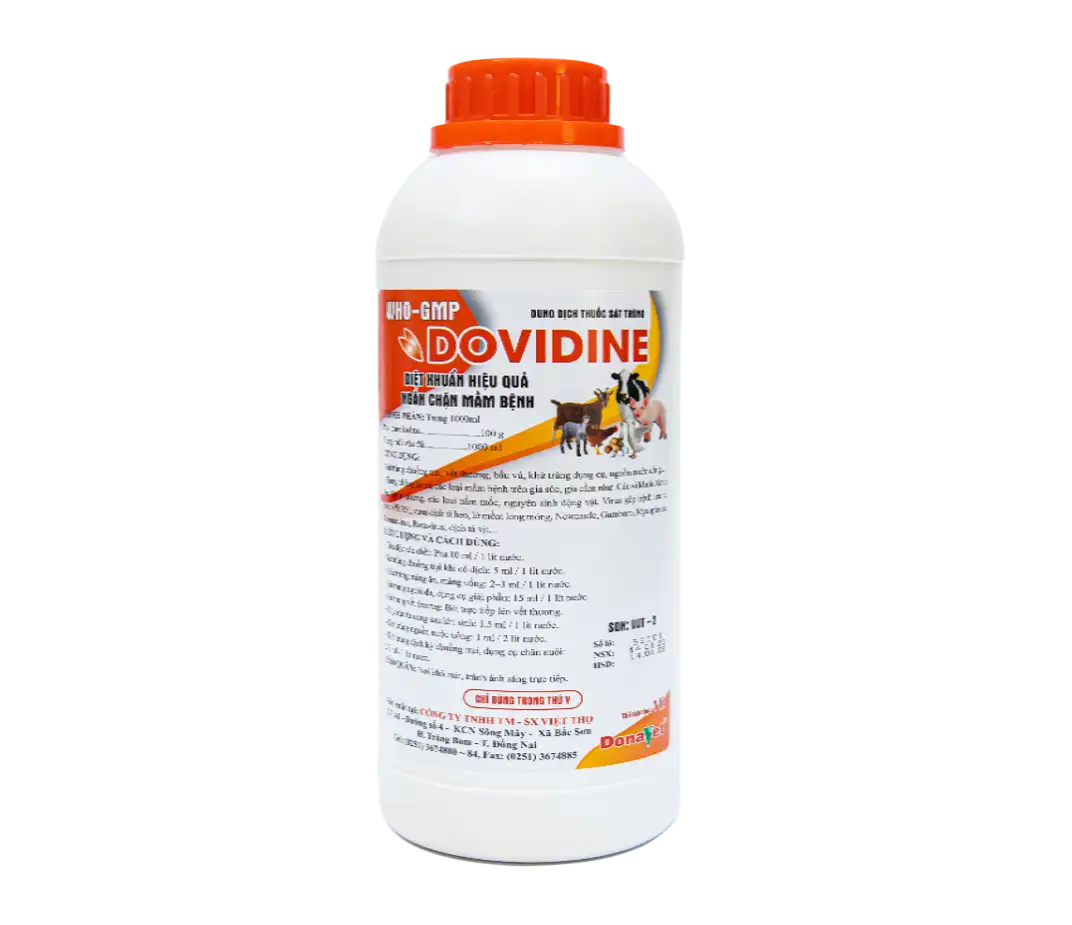
Safe breeding stock
Only import pigs from PRRS-free farms.
Vaccination
Regular vaccination according to veterinary guidelines.
Immunity enhancement
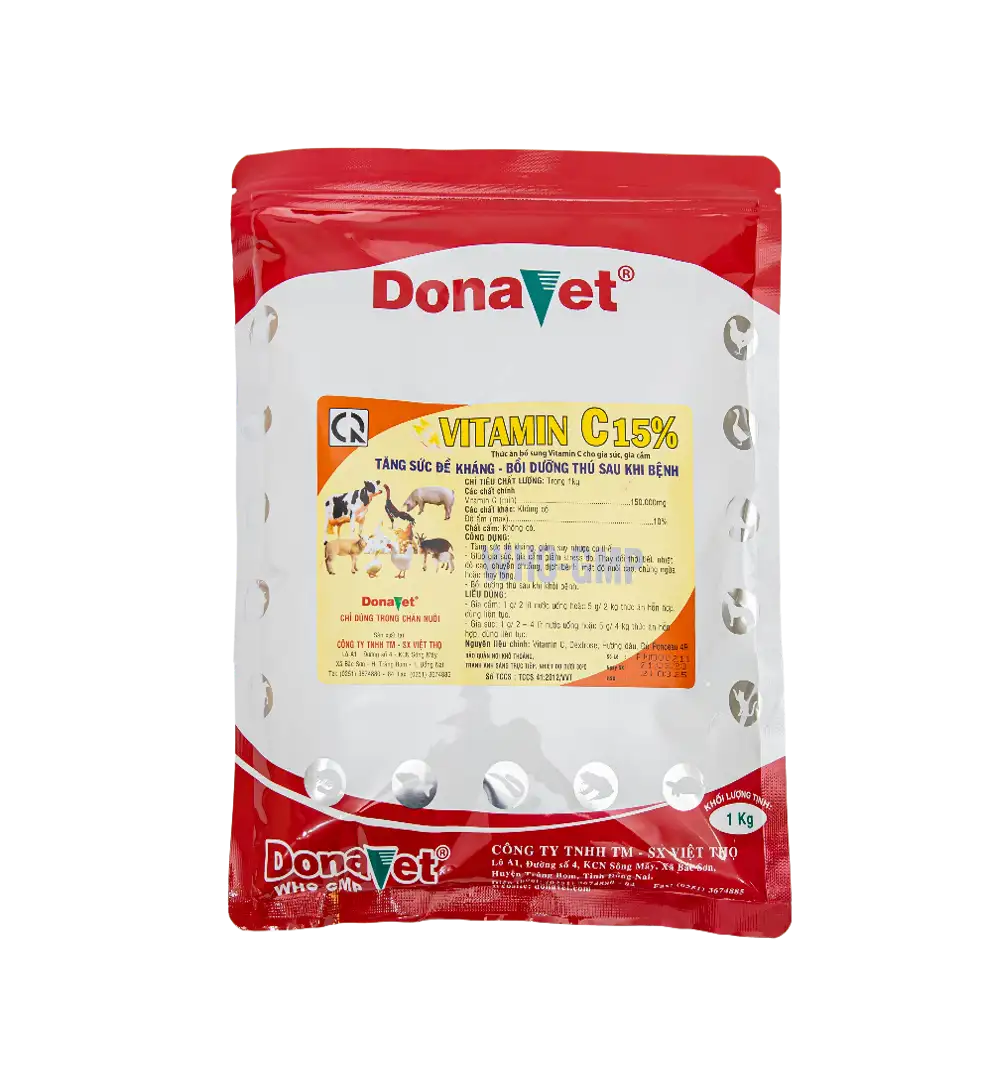
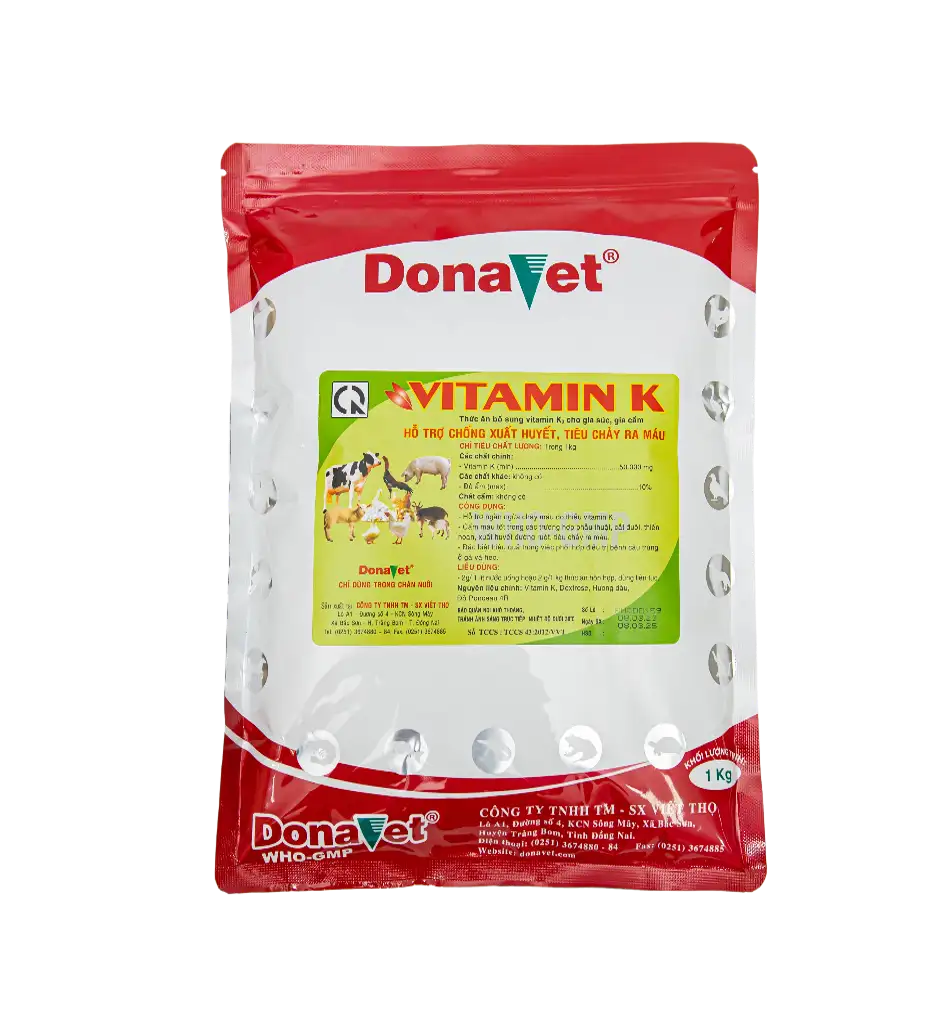
Supplementing with vitamins, minerals, probiotics, and feed ensures proper nutrition, keeping pigs healthy and reducing stress.
Conclusion
Porcine Reproductive and Respiratory Syndrome (PRRS) is a dangerous infectious disease, but it is entirely controllable if farmers proactively prevent it through vaccination, biosecurity measures, and good herd management. Early detection and timely treatment will help reduce losses and improve farming efficiency.
Need advice on disease prevention and nutrition for your pig herd?
Contact our technical team for support in developing effective and safe farming practices.




 26-Aug-2026