 vi
vi Popular
 04-Jun-2026
 1,900
1,900 

What is the vaccination schedule for pigs?
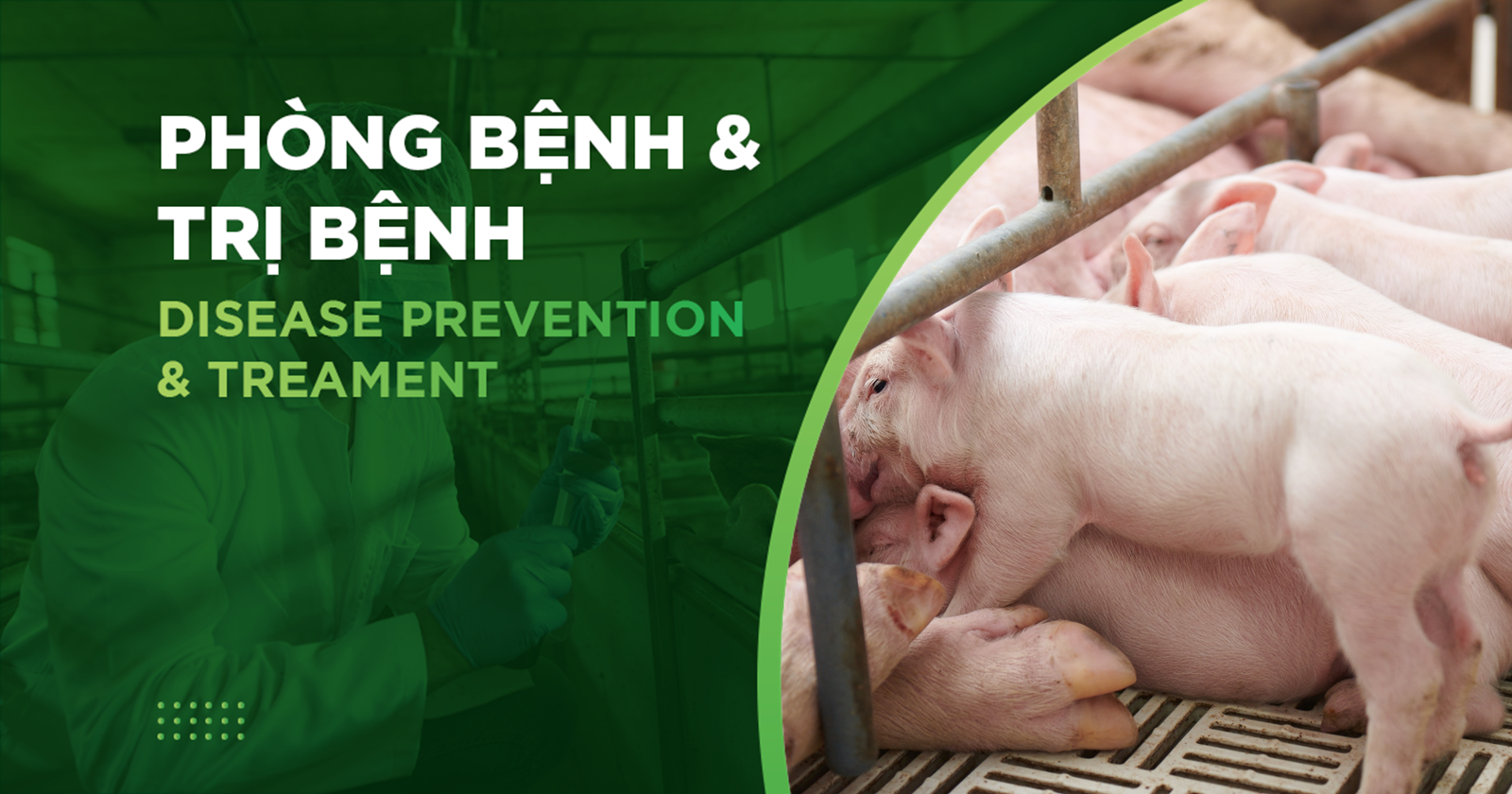
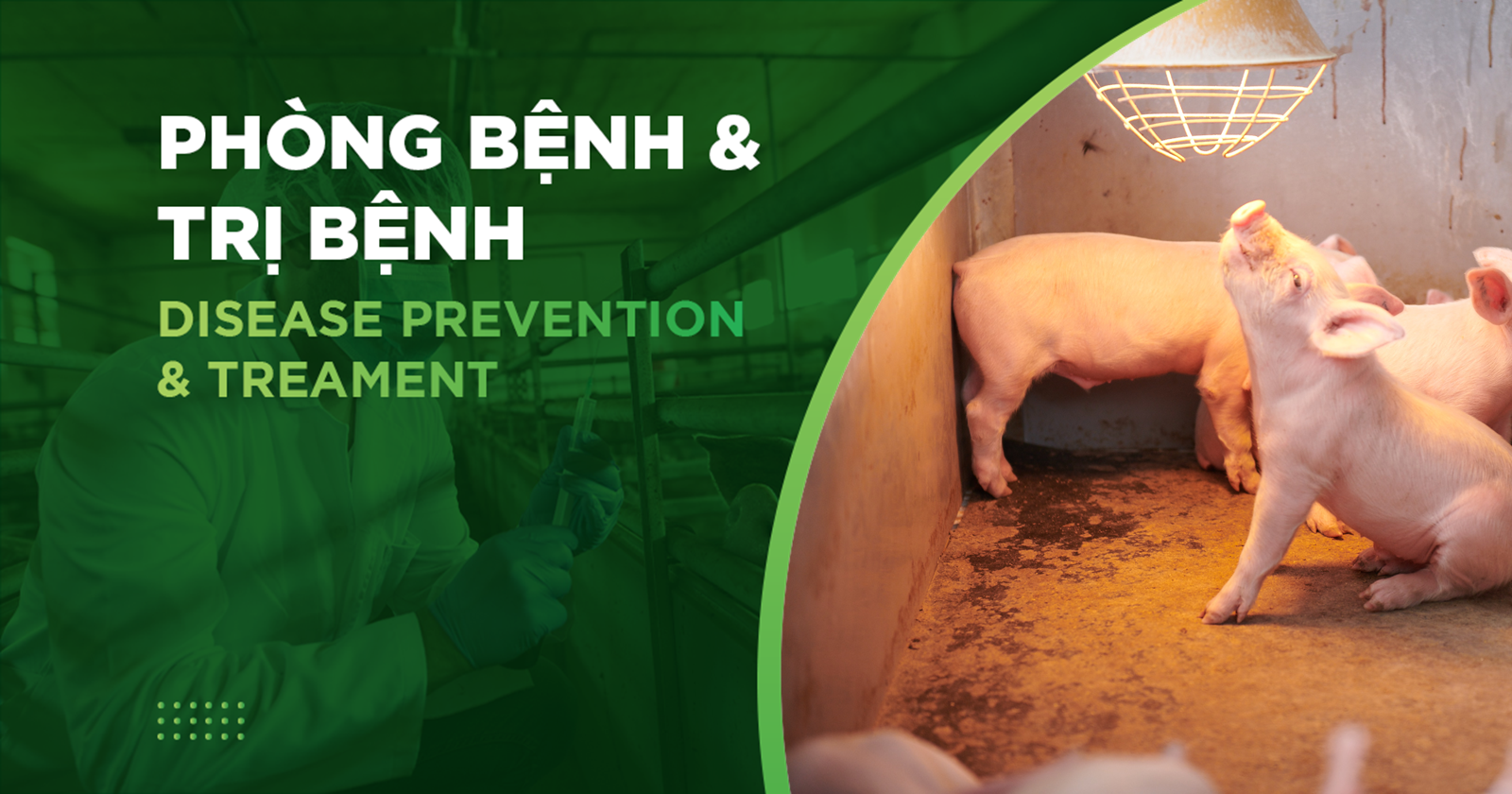
Vaccination is an important proactive disease prevention measure that helps pigs increase their immunity, reduce the risk of disease outbreaks, and improve farming efficiency.
This article from Greenfeed will help farmers understand the vaccination schedule for each stage of development and important considerations to maximize the effectiveness of vaccines.
1. Vaccination schedule for pigs by stage
| Medications, Vaccines / Pig Groups | Gilt | Pregnant Sow | Nursing Sow | Breeding Boar |
| Iron supplementation | 1-3 days old | |||
| Vitamin supplementation | 1-3 days old | |||
| Vitamin supplementation | 4-5 months old | Gestation days 84-100 | Weaning day | When needed |
| Coccidiosis vaccine | 3-4 days old | |||
| Mycoplasma vaccine (Enzootic pneumonia) | 12-13 days old | |||
| Post-weaning wasting syndrome vaccine (PCV2) | 14 days old | |||
| PRRS vaccine (Reproductive & Respiratory) | 1st dose: 15-17 days old 2nd dose: after 28 days Booster: every 4 months |
|||
| Salmonellosis vaccine (Paratyphoid) | 1st dose: 20 days old 2nd dose: 7 days after 1st dose |
|||
| Salmonellosis vaccine (Paratyphoid) | At least 15 days before farrowing (if there is an outbreak) | |||
| Classical Swine Fever (CSF) vaccine | 30-45 days old | |||
| Classical Swine Fever (CSF) vaccine | 4-5 months old | 3-4 weeks before farrowing or more than 15 days post-farrowing | 2 times / year | |
| Pasteurellosis vaccine (Hemorrhagic Septicemia) | 55-60 days old | |||
| Pasteurellosis vaccine (Hemorrhagic Septicemia) | 3-4 weeks before farrowing or more than 15 days post-farrowing | 2 times / year | ||
| Foot-and-Mouth Disease (FMD) vaccine | 45-50 days old | |||
| Foot-and-Mouth Disease (FMD) vaccine | 2 weeks before mating | More than 20 days before farrowing | 3 times / year | |
| Porcine Parvovirus (PPV) vaccine | 1st dose: 6 weeks before mating 2nd dose: 3 weeks before mating |
|||
2. Important Notes When Vaccinating Pigs
- Store the vaccine at 2-8°C, away from direct sunlight.
- Read the instructions carefully before use.
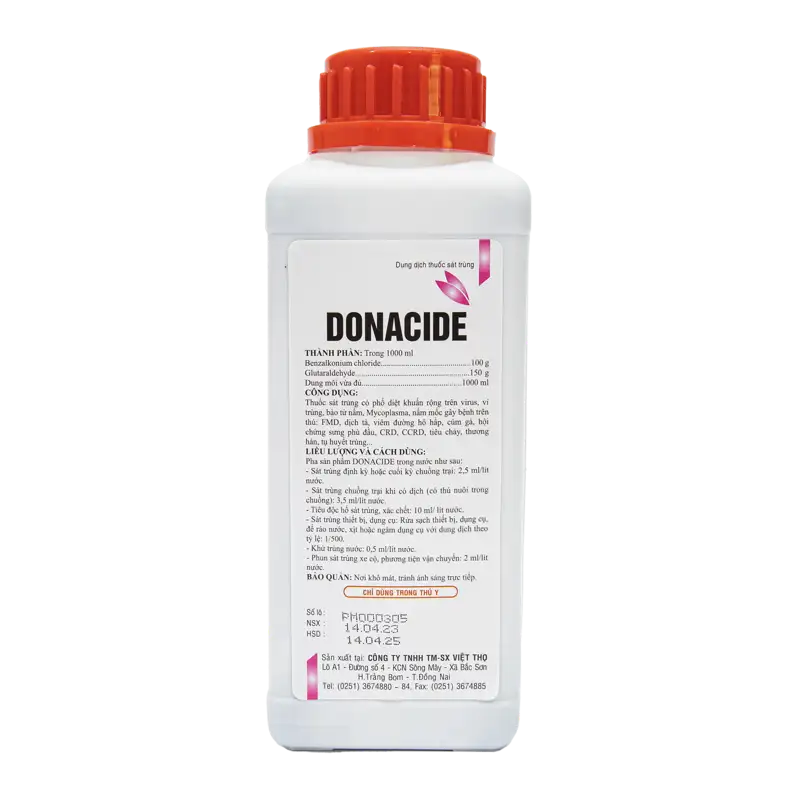
- Disinfect injection equipment.
- Only vaccinate healthy pigs.
- Ensure access to clean water when administering the vaccine.
- Monitor for post-vaccination reactions.
3. Common Mistakes
- Incorrect vaccine storage: Excessively high temperatures or freezing of vaccines can inactivate viruses/antigens, reducing their effectiveness.
- Sharing needles for multiple pigs: Increases the risk of disease transmission through needles.
- Injecting pigs when they are sick or weakened: Pigs that are not in good health will not produce sufficient antibodies, and may even experience anaphylactic shock after injection.
- Not adhering to the booster schedule: Some vaccines require booster shots to create lasting immunity; if skipped, pigs are still susceptible to disease.
- Mixing vaccines with unsuitable water or solutions: Water that is not clean enough or contains chlorine, organic acids, or antibiotics will weaken or kill the live vaccine.
4.Tips to maximize the effectiveness of vaccines
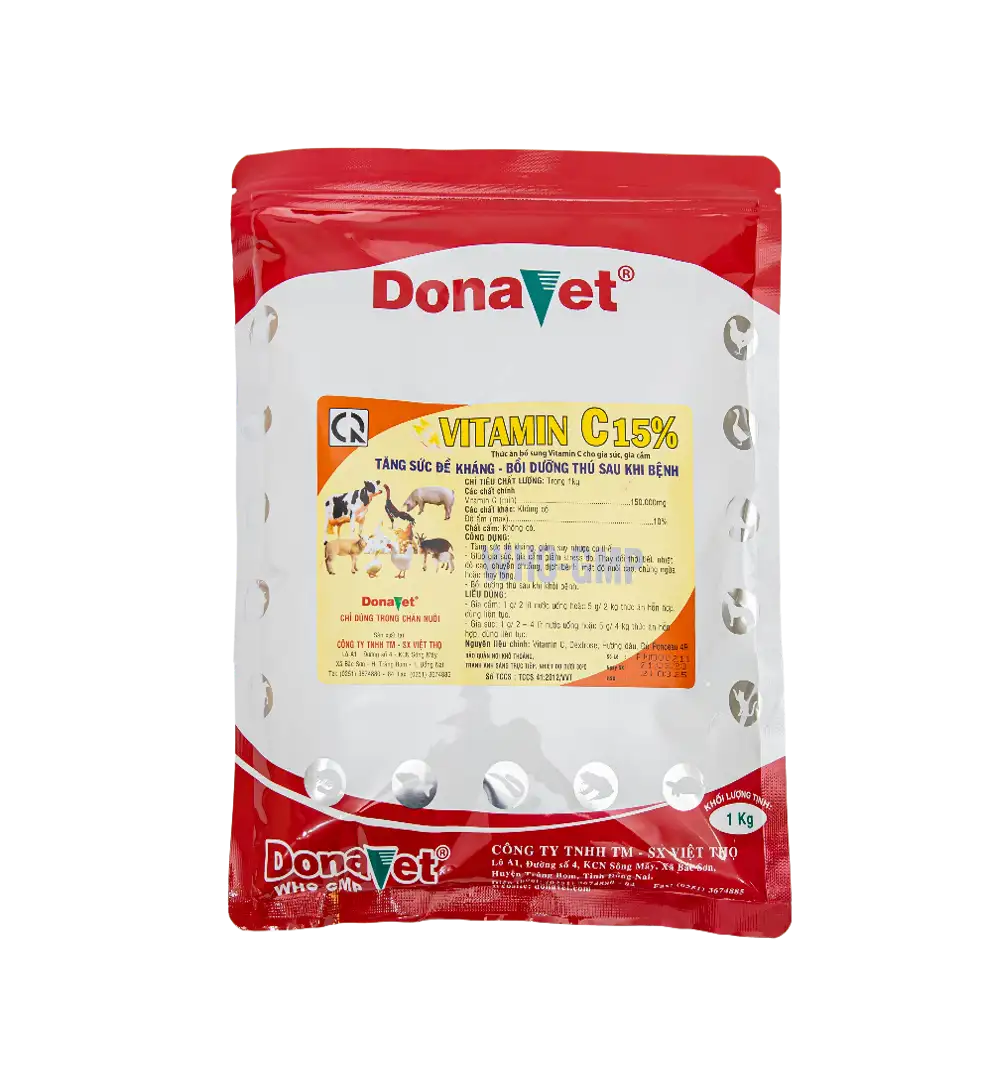
- Supplement with vitamin C, electrolytes, and minerals 1-2 days before and after injection: This will help reduce stress in pigs and boost their immunity.
- Properly restrain the pig during injection: This ensures quick and accurate manipulation, preventing accidental injection into fat or other areas that could cause pain or swelling at the injection site.
- Inject or administer vaccines when the weather is cool: Usually in the early morning or late afternoon to minimize heat shock.
- Maintain complete vaccination records for each litter: This helps better control the vaccination schedule and allows for quick retrieval in case of problems.
- Choose appropriate feed: Ensure that pigs receive adequate nutrition during the vaccination period.
Conclusion
Establishing a proper and timely vaccination schedule for pigs is a key factor in maintaining a healthy herd, reducing disease risks, and improving livestock productivity.
Need advice on developing a suitable vaccination protocol for your farm?
Contact our technical team for support in safe and effective livestock farming solutions.




 26-Aug-2026