 vi
vi Popular
 04-Jun-2026
 1,276
1,276 

To ensure healthy chicken growth, reduce disease risk, and achieve optimal productivity, adhering to a chicken vaccination schedule is paramount in poultry farming. At each stage of development, from chicks to laying hens, immune requirements differ, necessitating a suitable vaccination program.
This article will help farmers understand the chicken vaccination schedule for each stage, along with vaccination techniques and important considerations to increase disease prevention effectiveness.
1. Vaccination schedule for chickens according to development stages
The vaccination schedule for chickens is developed based on their physiological characteristics and the risk of common diseases at each stage. Vaccinating at the right time will help chickens develop active immunity and minimize the risk of disease outbreaks.
Vaccination Schedule for Broiler Chickens
| Timing | Disease Prevention Vaccine | Administration Route |
| 1–3 days old | Coccidiosis vaccine (applies only to floor-raised poultry) | Oral |
| 5–7 days old | Newcastle disease vaccine (Lasota strain)Infectious Bronchitis (IB) vaccine | Eye/nasal drops |
| 10–12 days old | Gumboro disease vaccine | Eye/nasal/oral administration |
| 14–18 days old | Newcastle + IB booster (1st booster) | Eye/nasal drops |
| 14–18 days old | Fowl Pox vaccine | Wing-web puncture |
| 14–18 days old | Gumboro booster (1st booster) | Oral |
| 21–28 days old | Newcastle disease vaccine (highly virulent Genotype VII strain) | Intramuscular injection |
| 25 days old | ILT (Infectious Laryngotracheitis) vaccine | Subcutaneous injection |
| 42–45 days old | Avian Influenza vaccine | Intramuscular injection |
Vaccination schedule for laying hens
| Timing | Disease Prevention Vaccine | Administration Route |
| 1 day old | Marek’s disease vaccine | Subcutaneous injection (back of the neck) |
| 1–3 days old | Coccidiosis vaccine (applies only to floor-raised poultry) | Oral |
| 5–7 days old | Newcastle disease vaccine (Lasota strain)Infectious Bronchitis (IB) vaccine | Eye/nasal drops |
| 10–12 days old | Gumboro disease vaccine | Eye/nasal/oral administration |
| 14–18 days old | Newcastle + IB booster (1st booster) | Eye/nasal drops |
| 14–18 days old | Fowl Pox vaccine | Wing-web puncture |
| 14–18 days old | Gumboro booster (1st booster) | Oral |
| 21–28 days old | Newcastle disease vaccine (highly virulent Genotype VII strain) | Intramuscular injection |
| 25 days old | ILT (Infectious Laryngotracheitis) vaccine | Subcutaneous injection |
| 42–45 days old | Avian Influenza vaccine | Intramuscular injection |
| 140 days old | Booster vaccination for Newcastle disease, IB, and Gumboro disease | Subcutaneous injection |
| 150 days old | Booster vaccination for ILT and Avian Influenza | Subcutaneous injection |
2. Secrets to using vaccines for chickens effectively
Vaccines are only maximally effective when used correctly. Important notes:
- Maintain proper temperature: always keep the vaccine at 2-8°C, avoid direct sunlight, and do not freeze.
- Dilute the vaccine with clean water: use boiled and cooled water, free of chlorine or disinfectants.
- Inject at the correct site:
- Chicks: eye, nose, or subcutaneous injection in the neck.
- Adult chickens: intramuscular or under the wing.
- Inject at the correct time: it should be done early in the morning or late in the afternoon to minimize stress.
- These factors directly affect the ability of the flock to develop immunity.
3. Common mistakes when vaccinating chickens
In practice, many errors in the vaccination process can reduce the effectiveness of the vaccine, including:
- Injecting in the wrong site or dosage, causing swelling at the injection site and reduced appetite.
- Diluting the vaccine too early or leaving it for too long before use.
- Not adhering to the booster schedule, leading to interrupted immunity.
- Not sanitizing injection equipment, leading to secondary infections.
- Avoiding these mistakes will help the vaccination program achieve optimal effectiveness.
4. Tips to maximize vaccine effectiveness
To increase immune response and help chickens recover quickly after vaccination, the following measures can be applied:
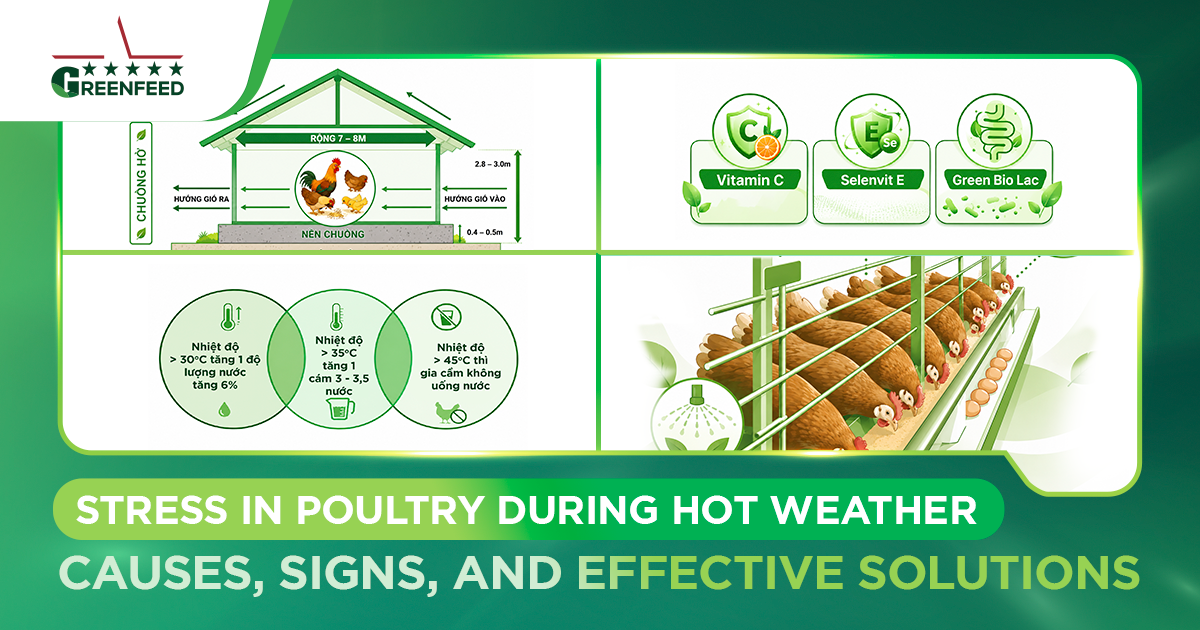
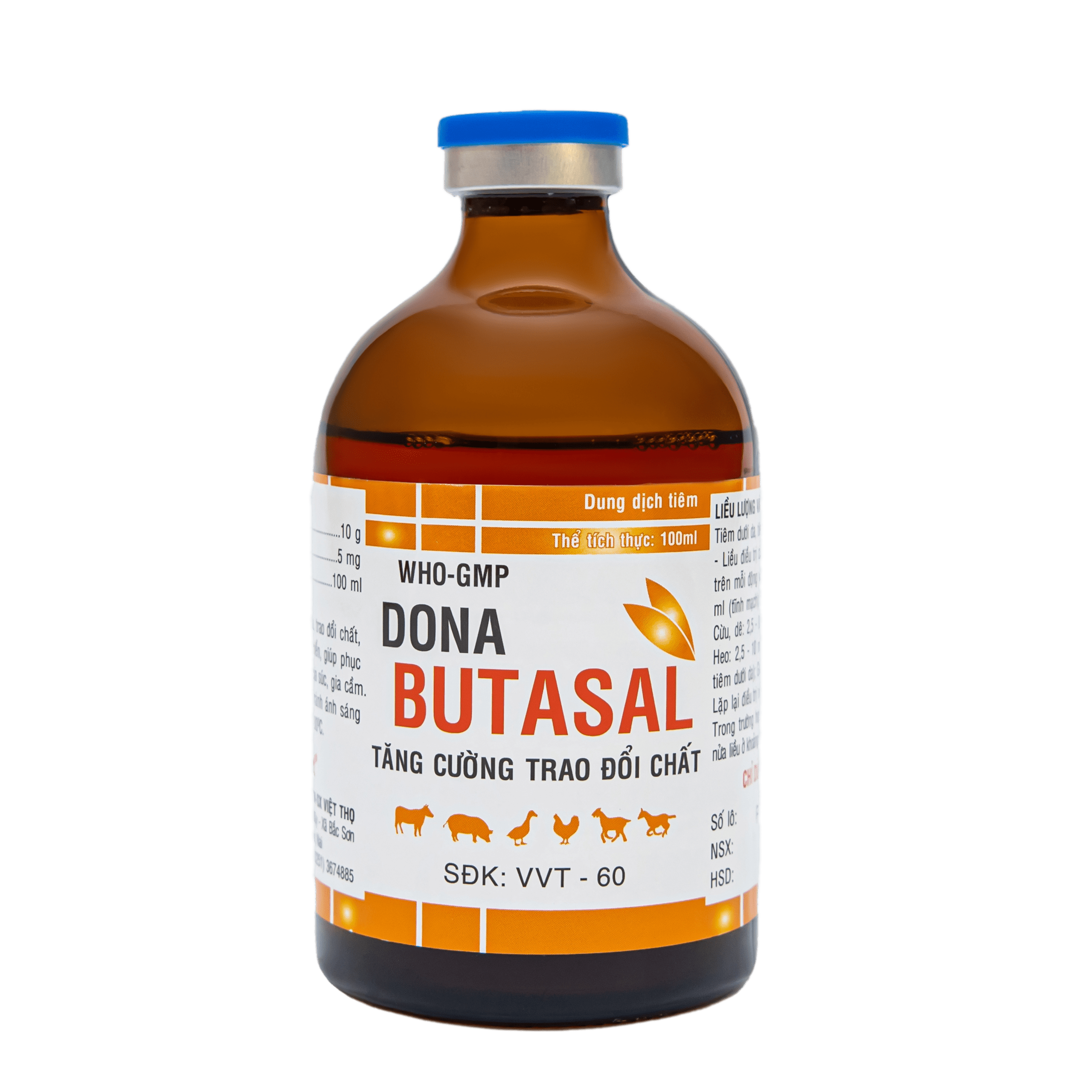
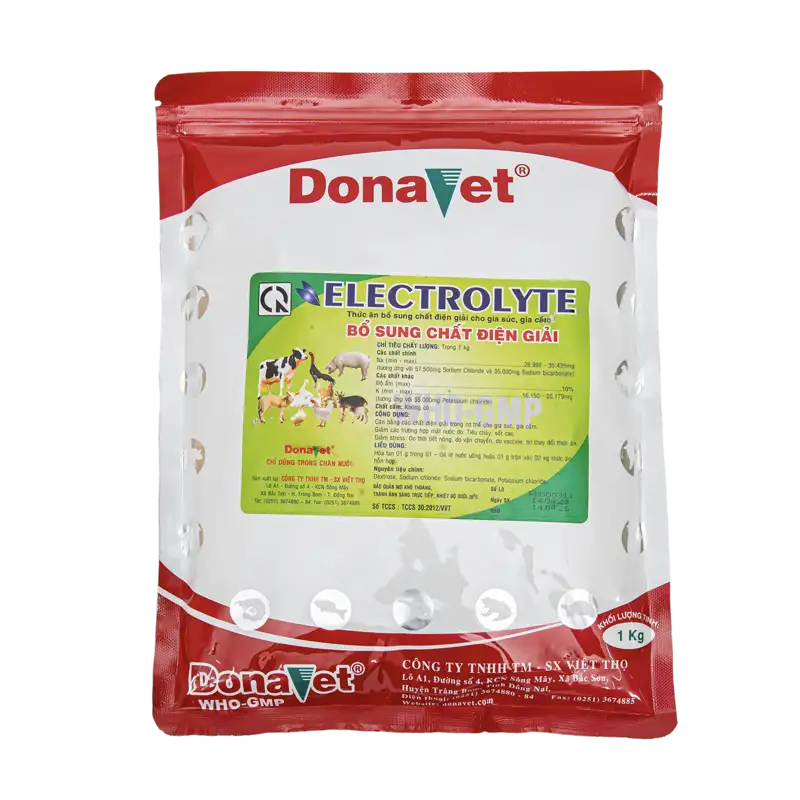
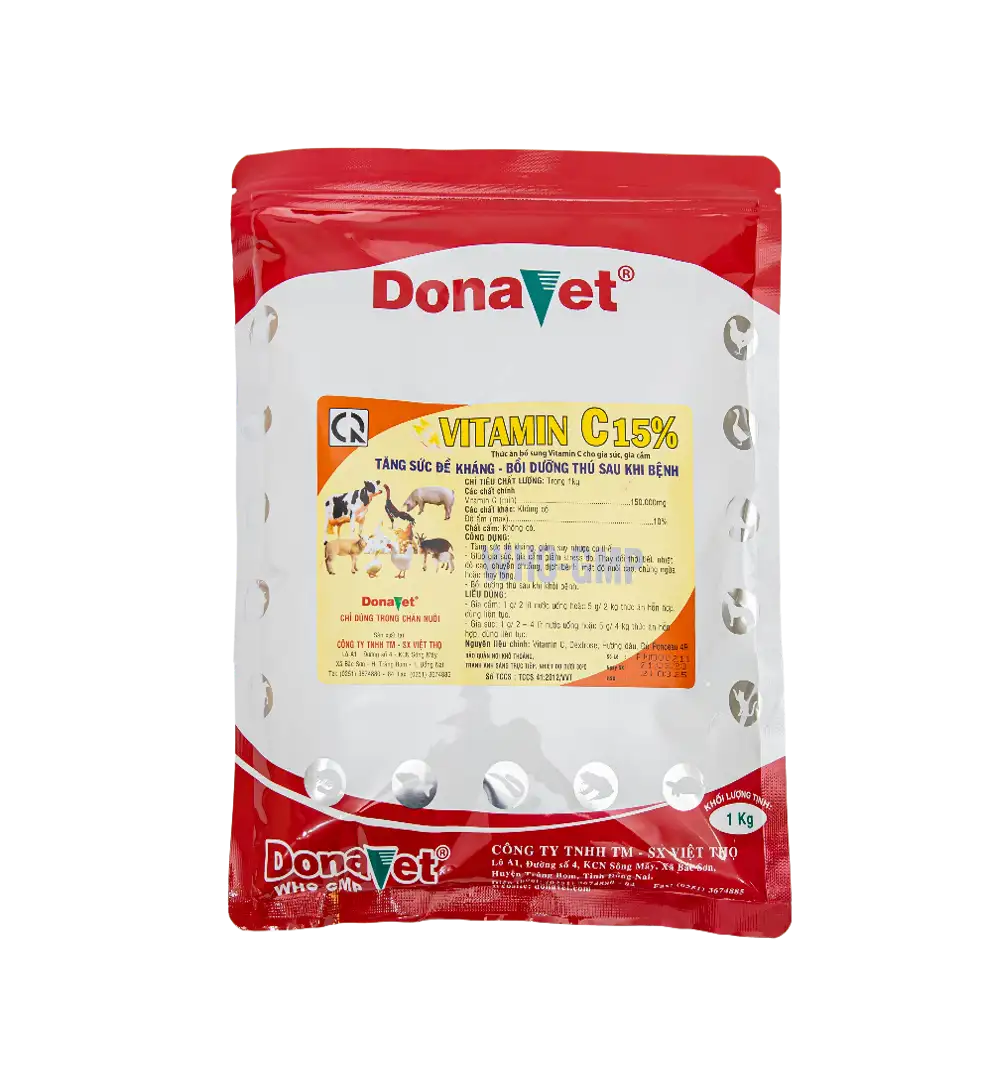
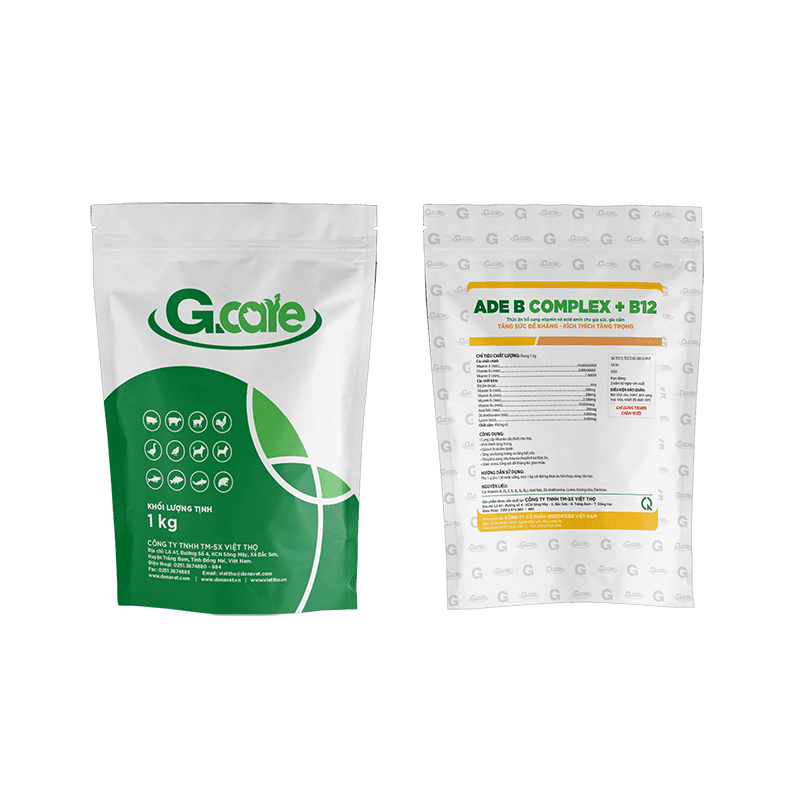
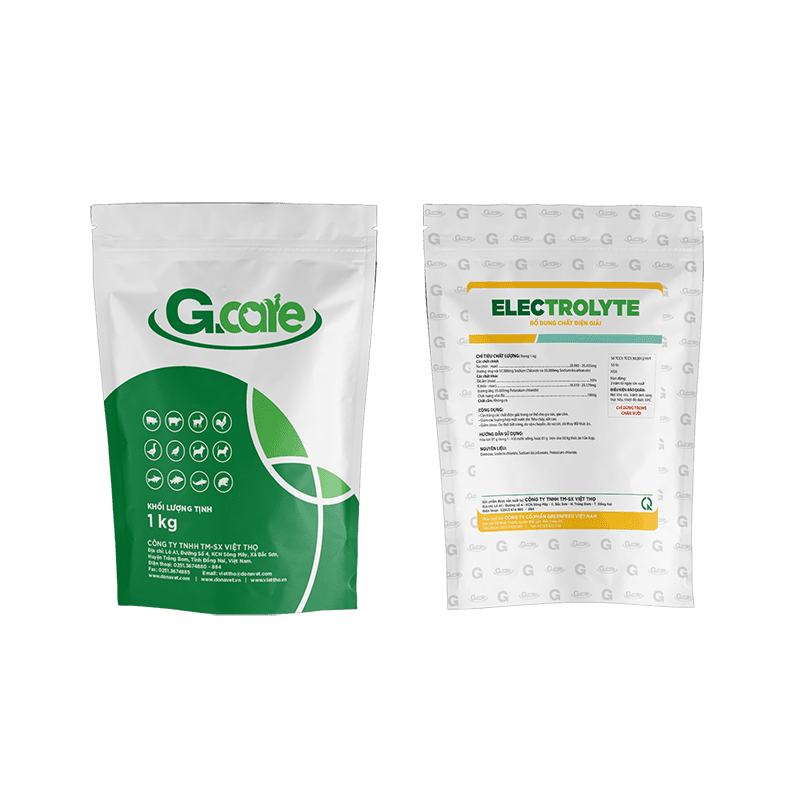
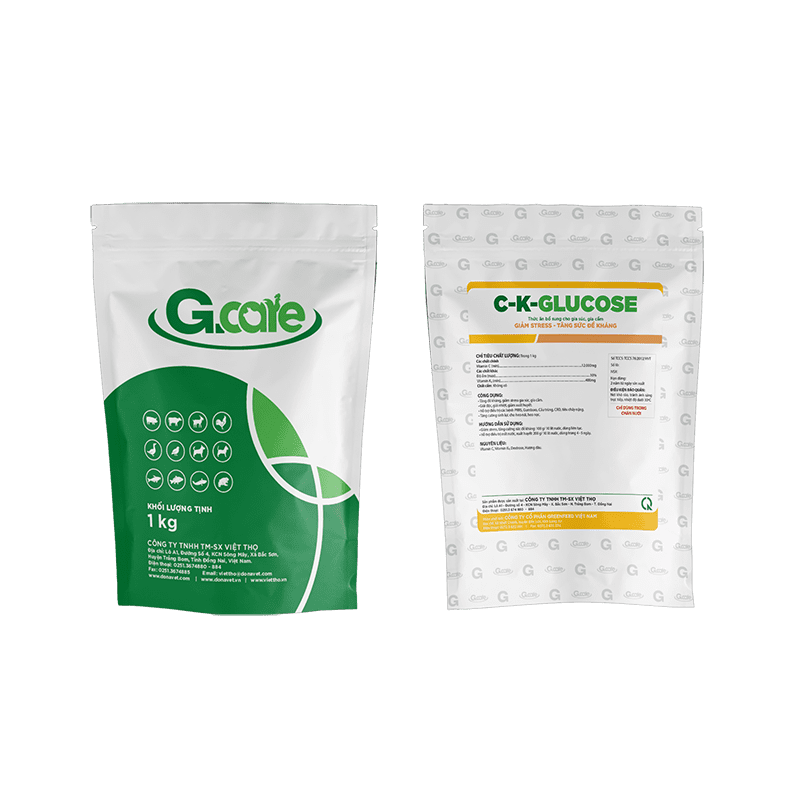
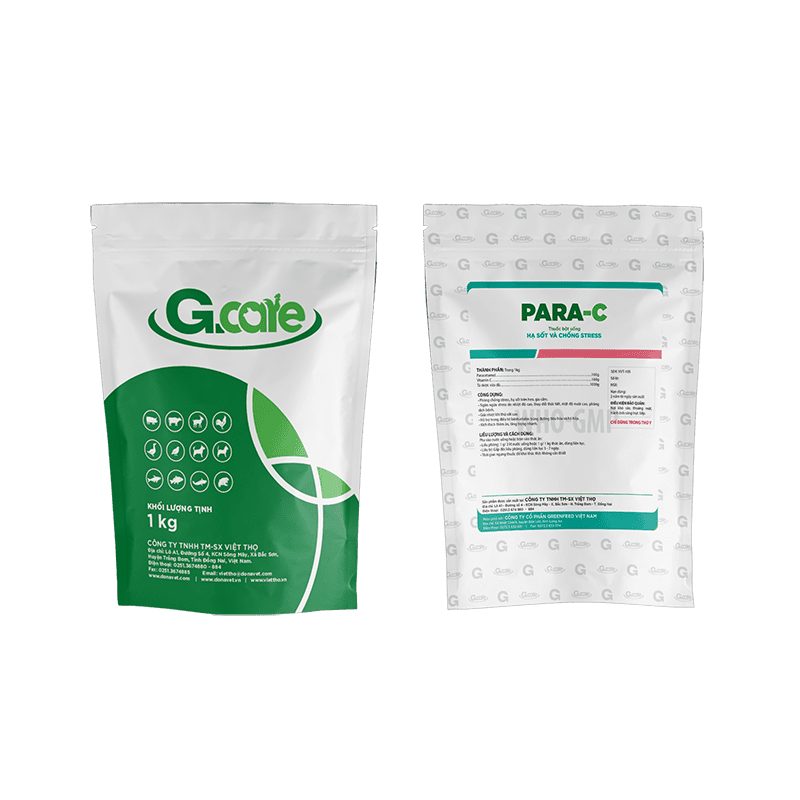
Supplement with vitamins and electrolytes 1-2 days before and after vaccination to reduce stress.
Keep the coop well-ventilated, dry, and maintain a reasonable stocking density.
Do not vaccinate sick or weakened chickens.
Supplement with digestive enzymes, minerals, and multivitamins to boost immunity.
Ensure proper nutrition with feed suitable for the vaccination period.
Monitor local disease situations and consult with veterinarians.
Keep a record of vaccination schedules for each batch of chickens for better management.
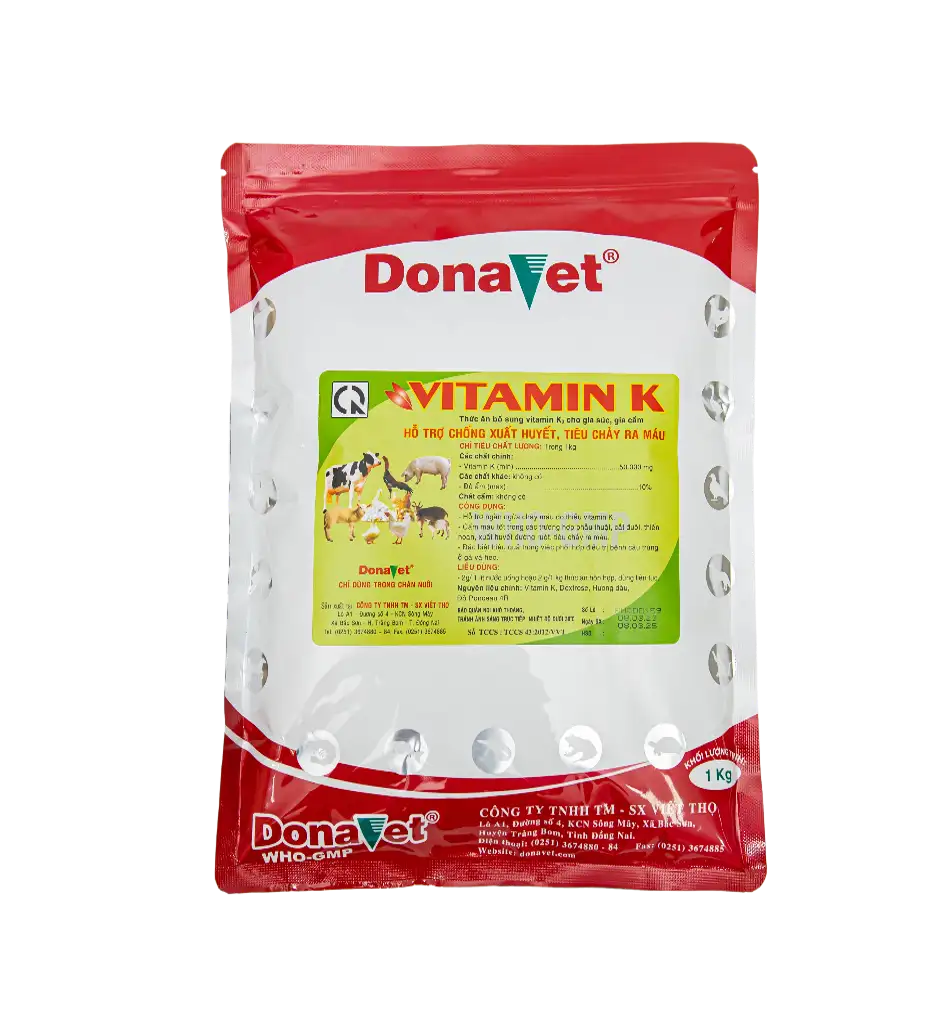
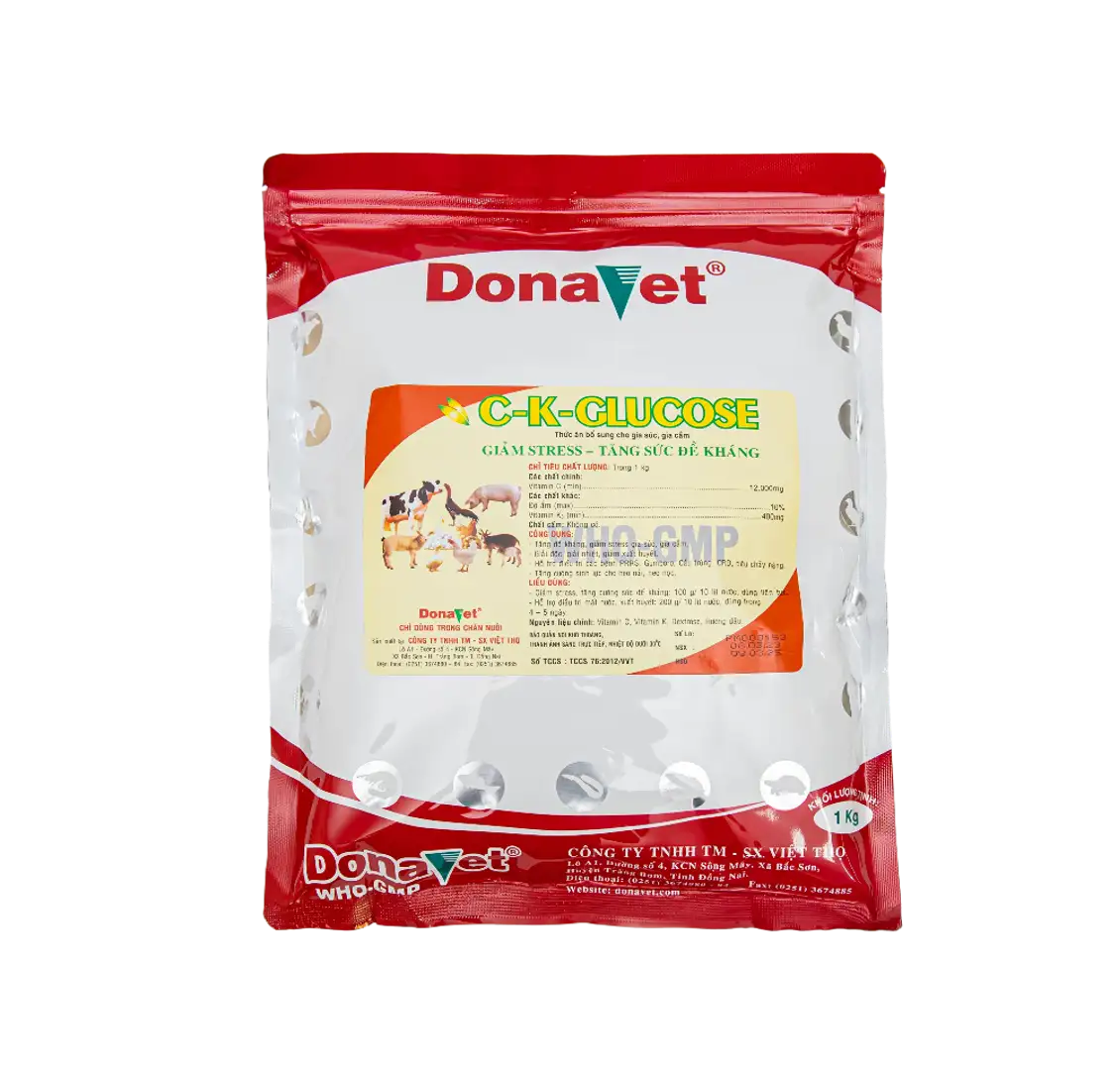
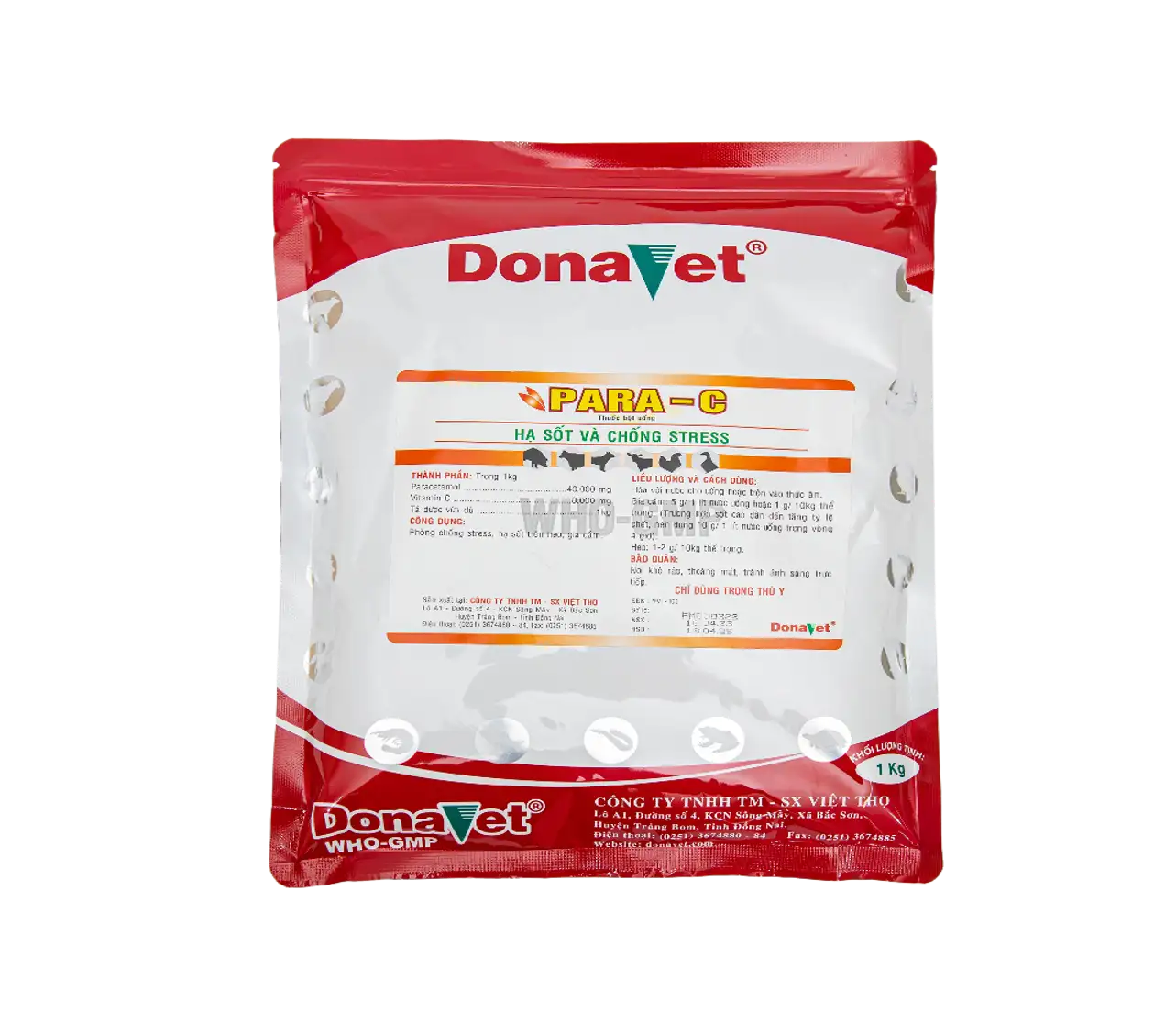
Vitamin
Conclusion
Adhering to the chicken vaccination schedule is the most proactive and effective disease prevention solution in poultry farming today. A scientifically-designed vaccination program not only reduces treatment costs but also enhances productivity and long-term profitability.
With proper vaccination schedules, techniques, and good care, farmers can build healthy flocks with high resistance and stable growth.
Proactive and timely vaccination is a crucial step in maintaining a healthy flock and improving farming efficiency. If you need advice on a suitable vaccination plan for your specific model, the Greenfeed team of experts is always ready to support you in optimizing productivity sustainably.



 26-Aug-2026