 vi
vi Popular
 04-Jun-2026
 1,051
1,051 

Table of content
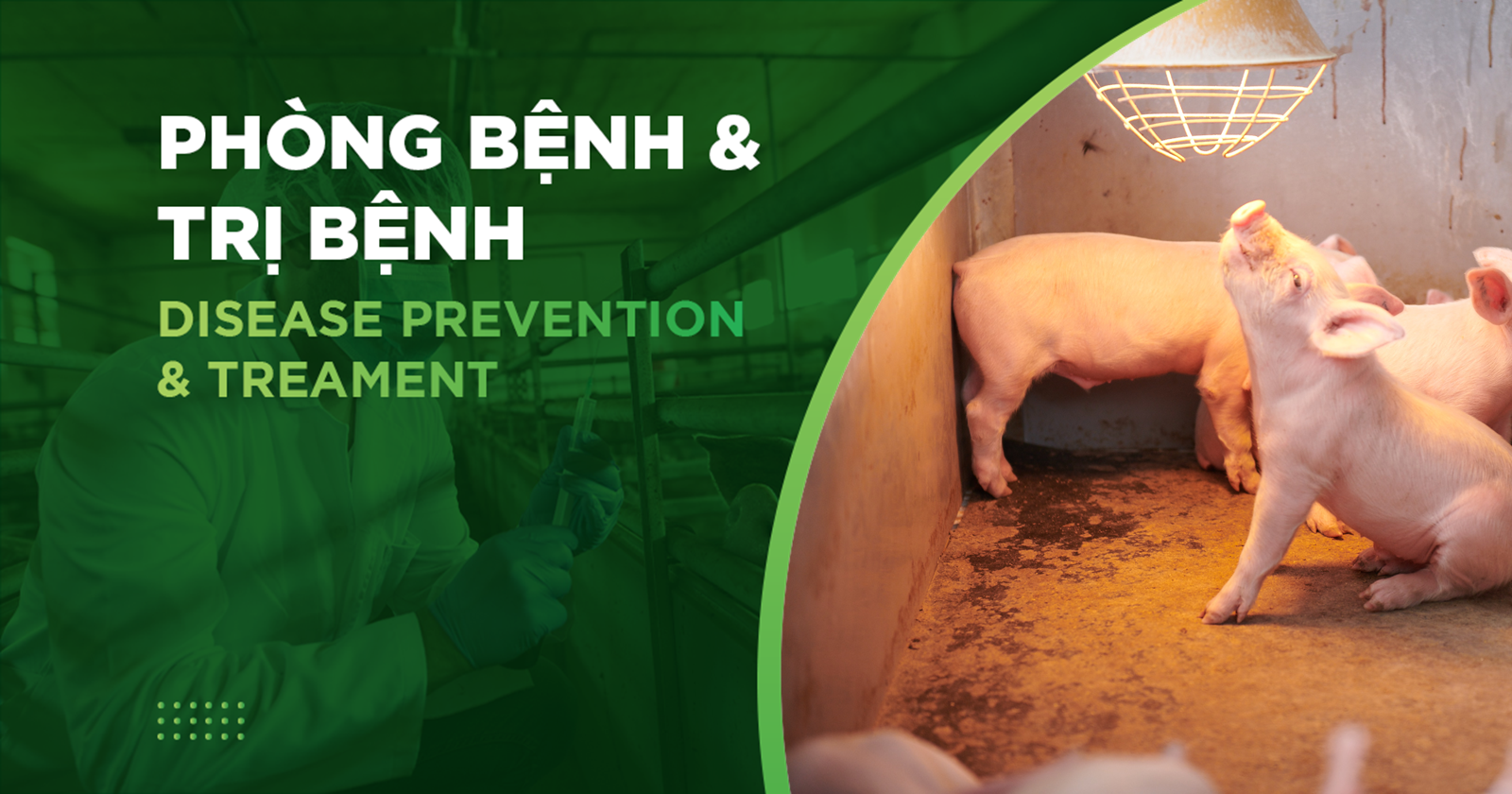
In modern livestock farming, the housing environment plays a crucial role, directly affecting the health, growth rate, and feed efficiency of pigs. When temperature and humidity are unsuitable, pigs are easily stressed, their appetite decreases, their growth slows, and their risk of respiratory and digestive diseases increases.
Conversely, if these two factors are well controlled, farmers can not only ensure stable pig growth but also reduce veterinary medicine costs and improve economic efficiency.
1. Standard temperature and humidity levels for each stage of pig development
Pigs have different thermoregulation abilities at each stage of growth, so the requirements for the housing environment also change accordingly.
| Pig Stage | Temperature | Humidity |
| Newborn Piglet | 30-35°C | 50-80% |
| Weaned Piglet | 28-30°C | |
| Grower-Finisher Pig | 18-24°C | |
| Sow | 18-24°C |
2. Signs that indicate an imbalance of temperature and humidity in the animal enclosure
Observing the behavior of the pig herd is the quickest way to assess the barn environment.
When the temperature is too hot:
- Pigs breathe rapidly, open their mouths
- Lie apart from the herd, eat less
- Often turn their heads towards the fan or wind source
When the temperature is too cold:
- Pigs lie piled on top of each other
- Shiver, squeal a lot
- Pigs suckle less
When the humidity is too high:
- The barn floor is damp, with a strong ammonia smell
- Pigs are prone to coughing and pneumonia
When the humidity is too low:
- High dust, respiratory irritation
- Increased risk of CRD
Healthy pigs usually eat and drink actively, have pink skin, dry feces, and a barn with little odor.
3. Methods for controlling temperature and humidity in pig farms.
3.1. For enclosed pens
Enclosed pens allow for more effective environmental control if operated correctly.
- Install exhaust fans, ceiling fans, heating lamps, misting systems, and cooling pads.
- Use temperature and humidity sensors to automatically adjust equipment.
- Ensure good convection ventilation.
- Keep the pens dry, clean, and deodorize them regularly.
3.2. For open pens (traditional farms)
Open pens are highly dependent on weather conditions, so adjustments are necessary.
- Provide shelter in cold weather to prevent drafts on piglets.
- Increase natural ventilation with the use of fans.
- Keep the pen floor dry and clean the drainage system regularly.
- Use thermometers and hygrometers for accurate monitoring.
4. Important considerations when adjusting the barn environment.
- Adjust temperature and humidity gradually, avoiding sudden changes.
- Avoid excessive misting that can dampen the barn floor.
- Disinfect regularly to reduce toxic gases.
- Supplement electrolytes, vitamin C, and minerals when the weather changes.
5. Measures to take when temperature or humidity exceeds the limit.
When it’s too hot:
- Increase ventilation
- Activate cooling pads
- Provide cool water and electrolytes
When it’s too cold:
- Use heating lamps or heaters
- Cover the barn, reduce drafts
When humidity is high:
- Increase ventilation
- Change the bedding frequently
When humidity is low:
- Light misting
- Increase the water evaporation point in the barn
Combining monitoring environmental indicators and observing the behavior of the pig herd will help accurately assess the suitability of the barn.
Conclusion
Managing temperature and humidity is fundamental to building a sustainable pig farming system. When the environment is well controlled, the pigs will be healthy, grow uniformly, and disease prevention and treatment costs will be significantly reduced.
Hopefully, these insights from Greenfeed will help you proactively adjust the environment to suit your actual conditions, thereby optimizing productivity and improving long-term economic efficiency.
Are you looking to optimize your pig farm environment for healthier and better-growing pigs? Apply the temperature and humidity management principles in this article to reduce stress, limit disease, and improve farming efficiency.
Don’t forget to follow our other useful farming tips to stay prepared for any weather changes and disease outbreaks.


 26-Aug-2026