 vi
vi Popular
 22-Jun-2026
 848
848 

Why Does Choosing Pig Feed Directly Affect Farming Efficiency?
Feed costs typically account for 65-70% of total pig farming costs. Therefore, choosing the right pig feed not only helps animals grow healthily but also contributes to improving the economic efficiency of the farm.
However, many farmers still choose feed based on price without truly considering nutritional quality and its ability to meet the needs of each developmental stage.
1. Choosing the right pig feed for each development stage
Each stage of pig development has different nutritional needs.
- Pigs need easily digestible nutrients to develop their immune and digestive systems, minimizing diarrhea and post-weaning stress.
- Medium-sized pigs need an optimal diet for weight gain and feed conversion efficiency based on the standard digestible amino acid ratio (SID) to optimize lean meat percentage and reduce back fat.
- Pregnant sows need nutrients to support reproduction and fetal development, especially a rich source of functional fiber to prevent constipation and stabilize bowel movements.
- Laying sows need nutrition to improve milk quality and maintain their health by balancing electrolytes (optimal dEB – Dietary Electrolyte Balance) to minimize milk loss and milk fever.
Using the right type of pig feed for each stage will help the animals reach their maximum growth potential.
2. Prioritize pig feed with balanced nutritional formula and high Digestibility
A quality pig feed product needs to provide sufficient:
- Energy
- Protein
- Essential amino acids in a digestible form (SID Lysine, Methionine, Threonine, Tryptophan…) to avoid waste of excess protein
- Vitamins
- Minerals
- Appropriate fiber
A balanced diet helps pigs develop steadily, reduces the risk of digestive disorders, and improves feed utilization efficiency.
3. Pay attention to gut health
Today, modern nutritional solutions not only focus on growth but also on gut health.
A healthy digestive system helps pigs absorb nutrients better, reduces disease rates, and improves livestock productivity. In the trend of non-antibiotic livestock farming, high-quality feed often incorporates advanced biological solutions such as slow-release encapsulated organic acids, heat-resistant probiotics to inhibit E. coli and Salmonella bacteria, and herbal essential oils to preserve the villi structure of the intestinal tract.
4. Don’t just compare feed prices
Many farmers tend to choose low-priced pig feed to save costs. However, true effectiveness should be evaluated based on:
- Growth rate.
- Survival rate.
- Feed conversion ratio (FCR).
- Reproductive performance.
- Veterinary medicine costs.
A higher-priced product that promotes better animal growth and reduces losses usually yields higher economic efficiency. The most practical formula for calculating efficiency is based on the cost of feed per kilogram of weight gain, not just the price of a single bag of feed.
5. Choosing a reputable brand
Brands with strong research capabilities and quality control systems often provide stable nutritional solutions suitable for real-world farming conditions.
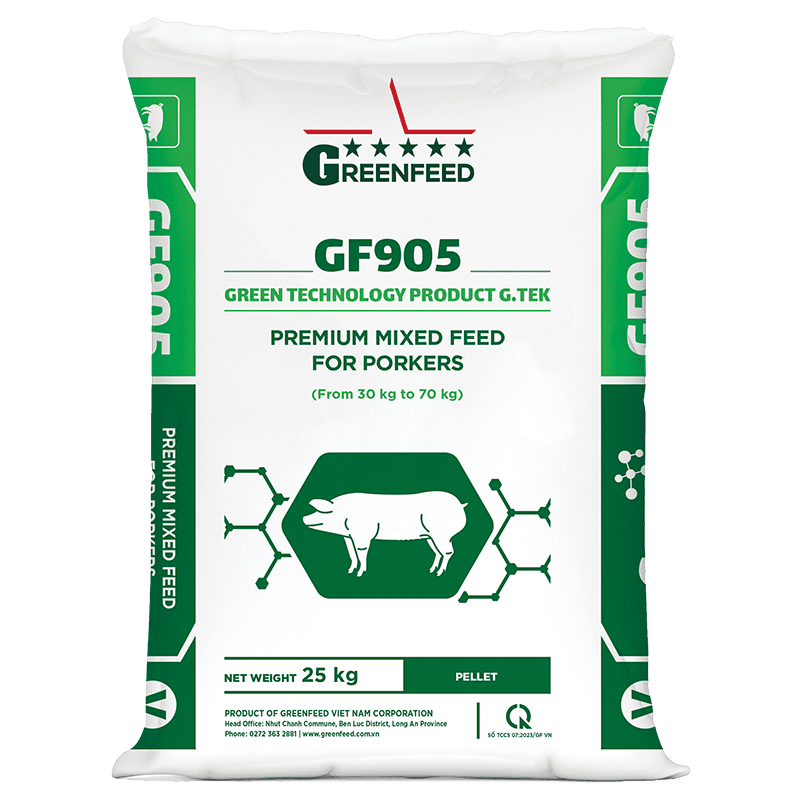
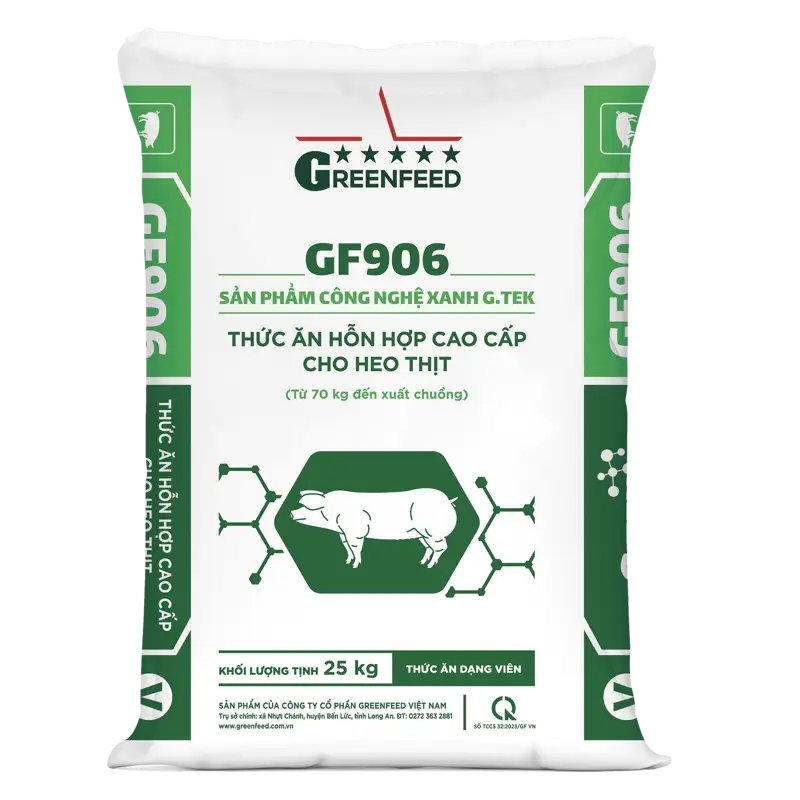
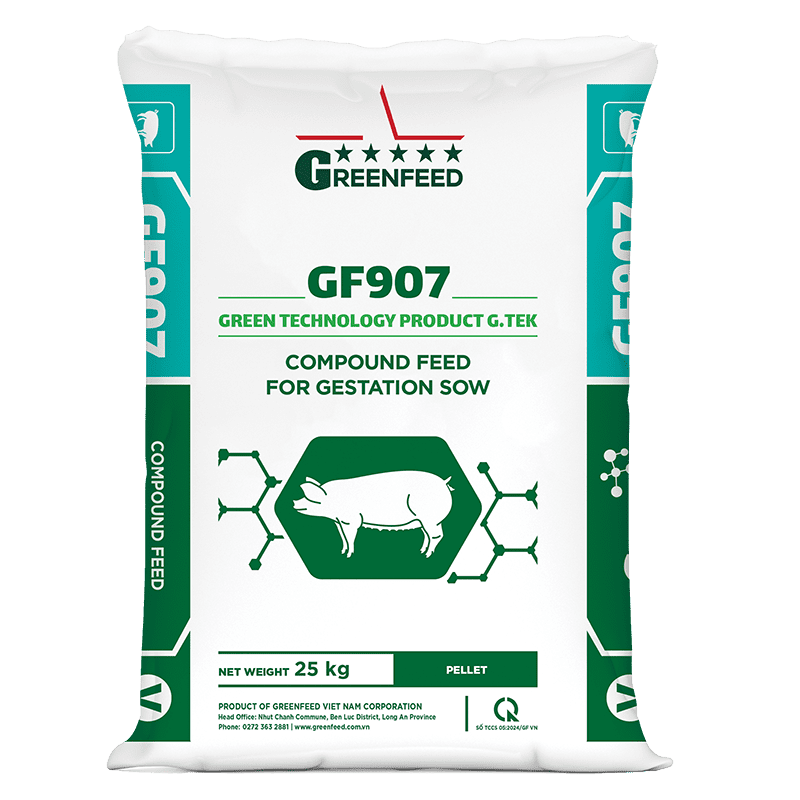
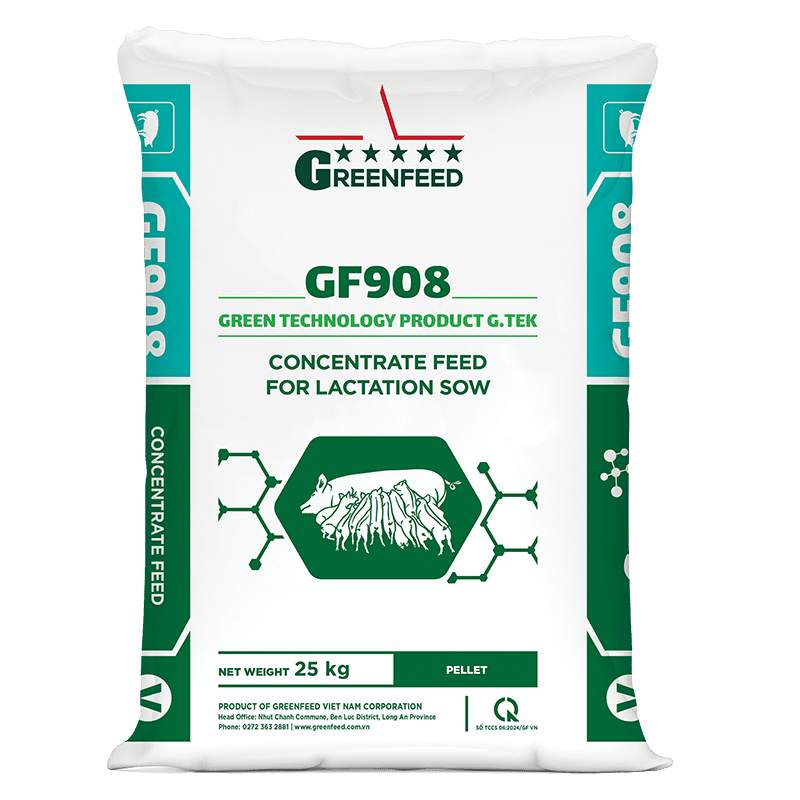
Currently, GREENFEED’s G.TEK Green Technology product line is not just a simple nutritional solution, but the result of in-depth research from a team of leading experts, aiming for comprehensive animal health care from piglet stage, fattening pigs, pregnant sows, and lactating sows. The green technology integrated into G.TEK is a significant advancement in livestock farming, delivering optimal efficiency in both productivity and sustainability.
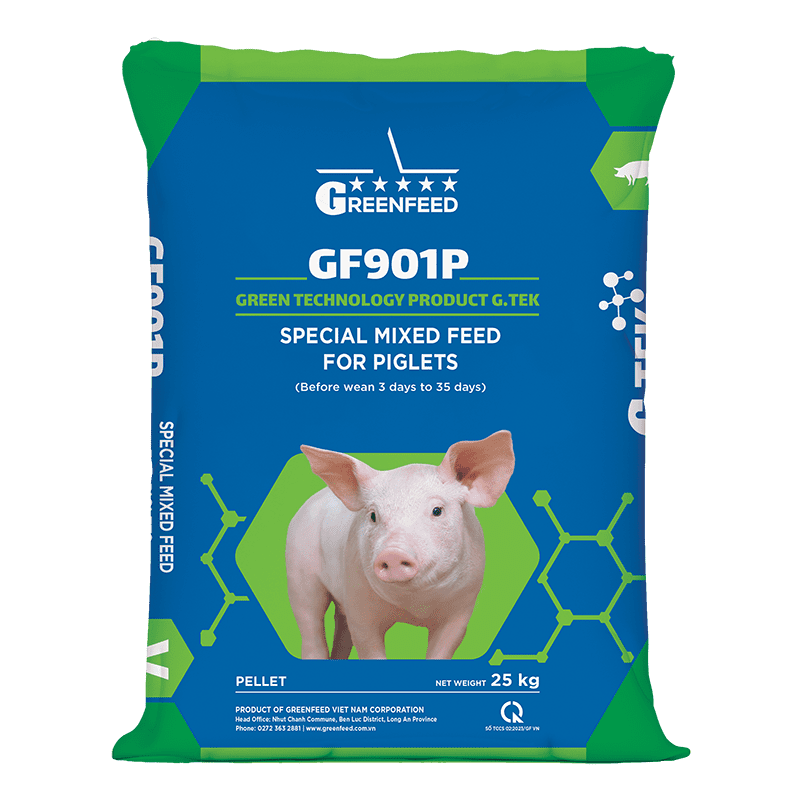
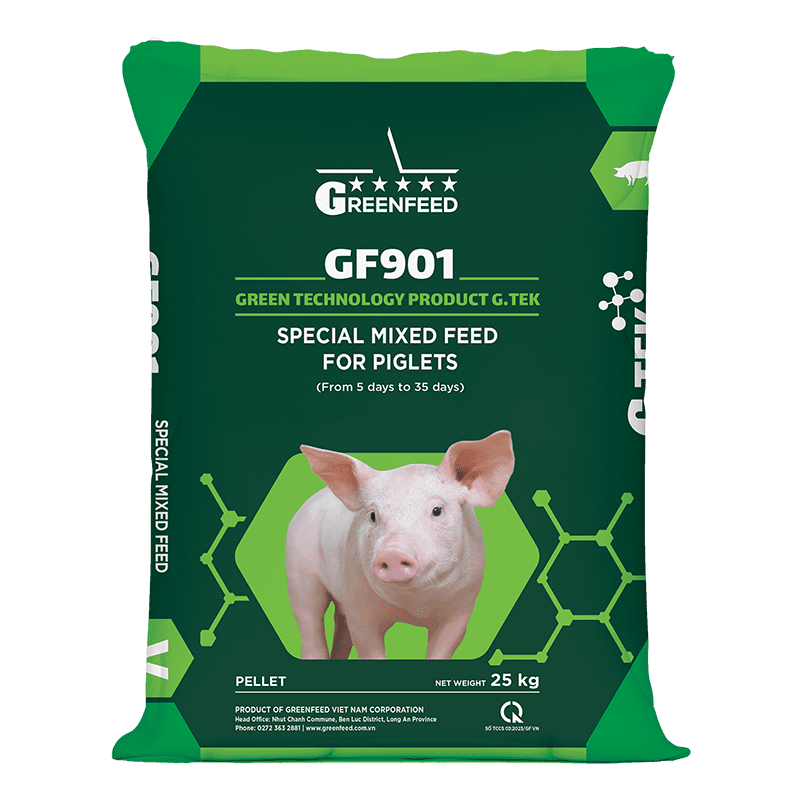
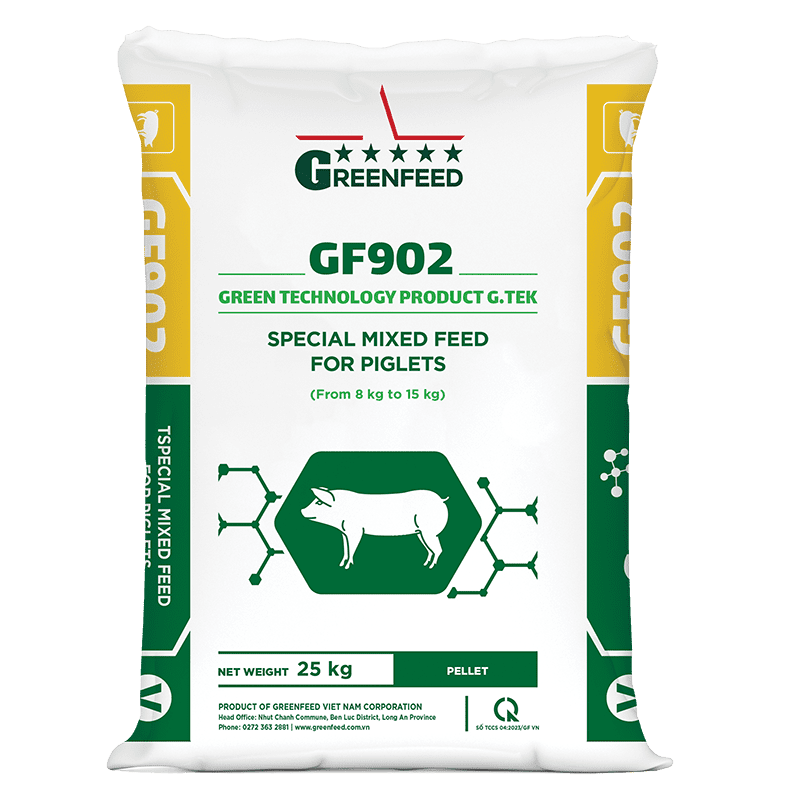
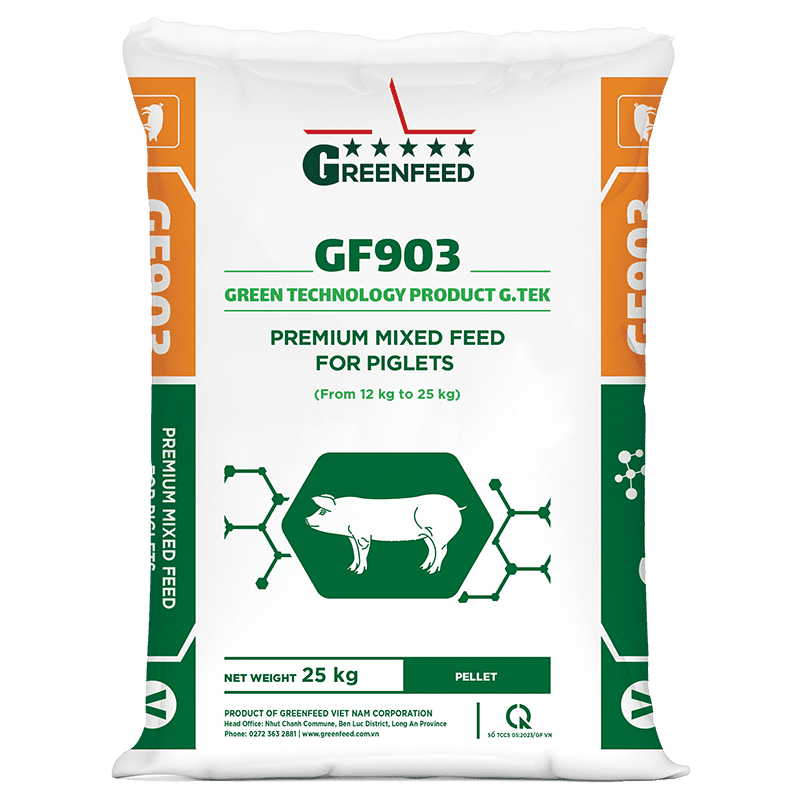
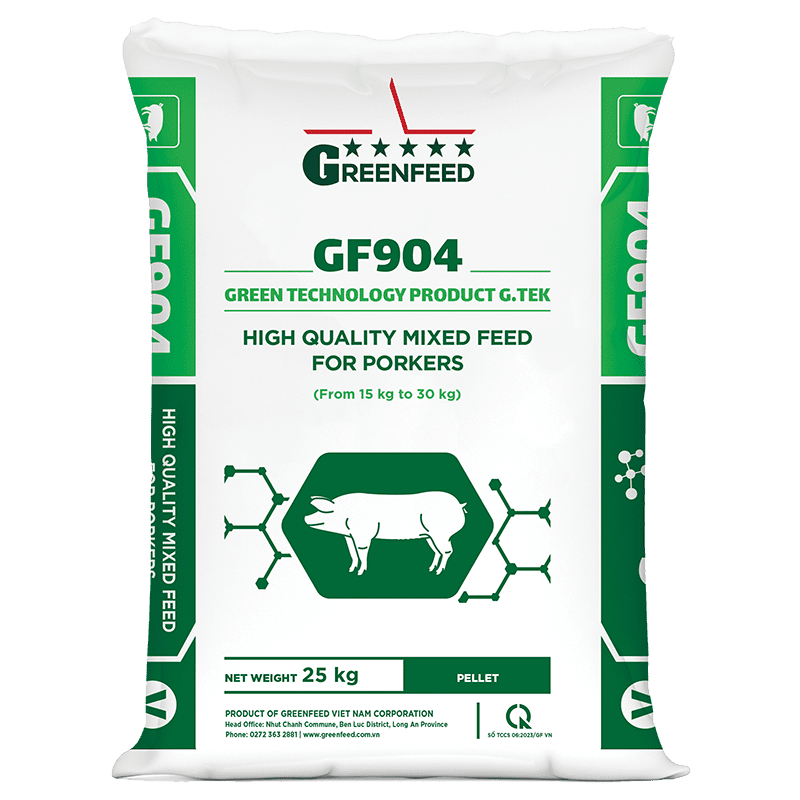
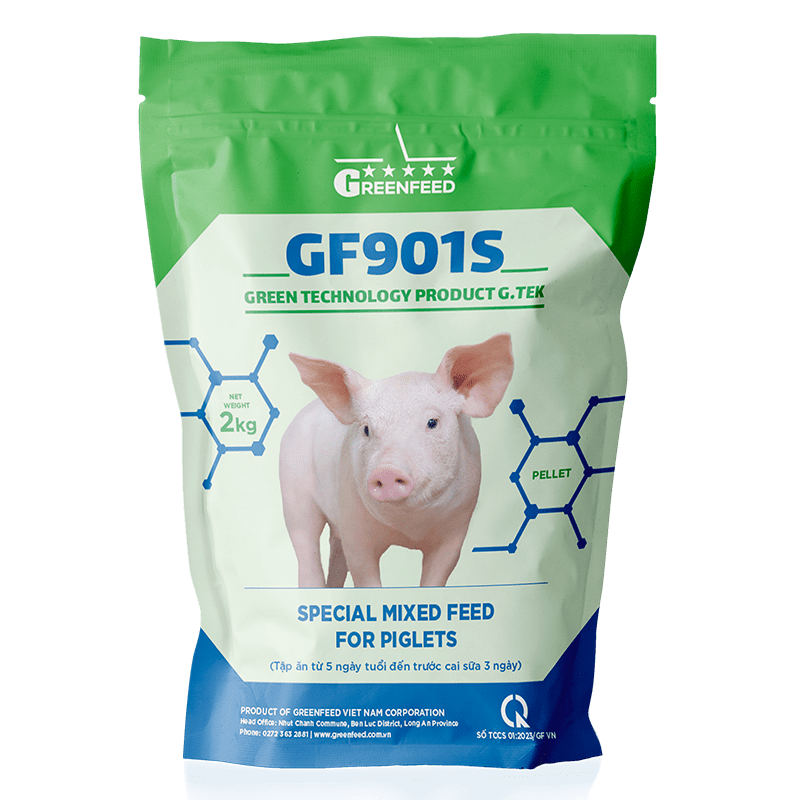
G.TEK
There is no single best pig feed for all types of livestock. The important thing is to choose a product that suits each stage of development and farming goals.
Investing properly in nutrition not only helps keep pigs healthy but is also a sustainable solution to improve productivity and profitability for farmers.


 23-Sep-2026