 vi
vi Popular
 28-May-2026
 1,486
1,486 

African Swine Fever (ASF) is a major threat to the pig farming industry. Understanding the issues related to comprehensive ASF prevention and control is crucial for effectively protecting pig herds and minimizing disease risks.
1. What is African Swine Fever (ASF)?
African Swine Fever (ASF) is a dangerous infectious disease caused by the ASFV (African Swine Fever Virus) — a large, double-stranded DNA virus belonging to the Asfarviridae family. It spreads directly (healthy pigs come into contact with sick pigs, or pigs come into contact with people carrying the ASFV virus) and has a high mortality rate. It causes serious damage to the global pig farming industry.
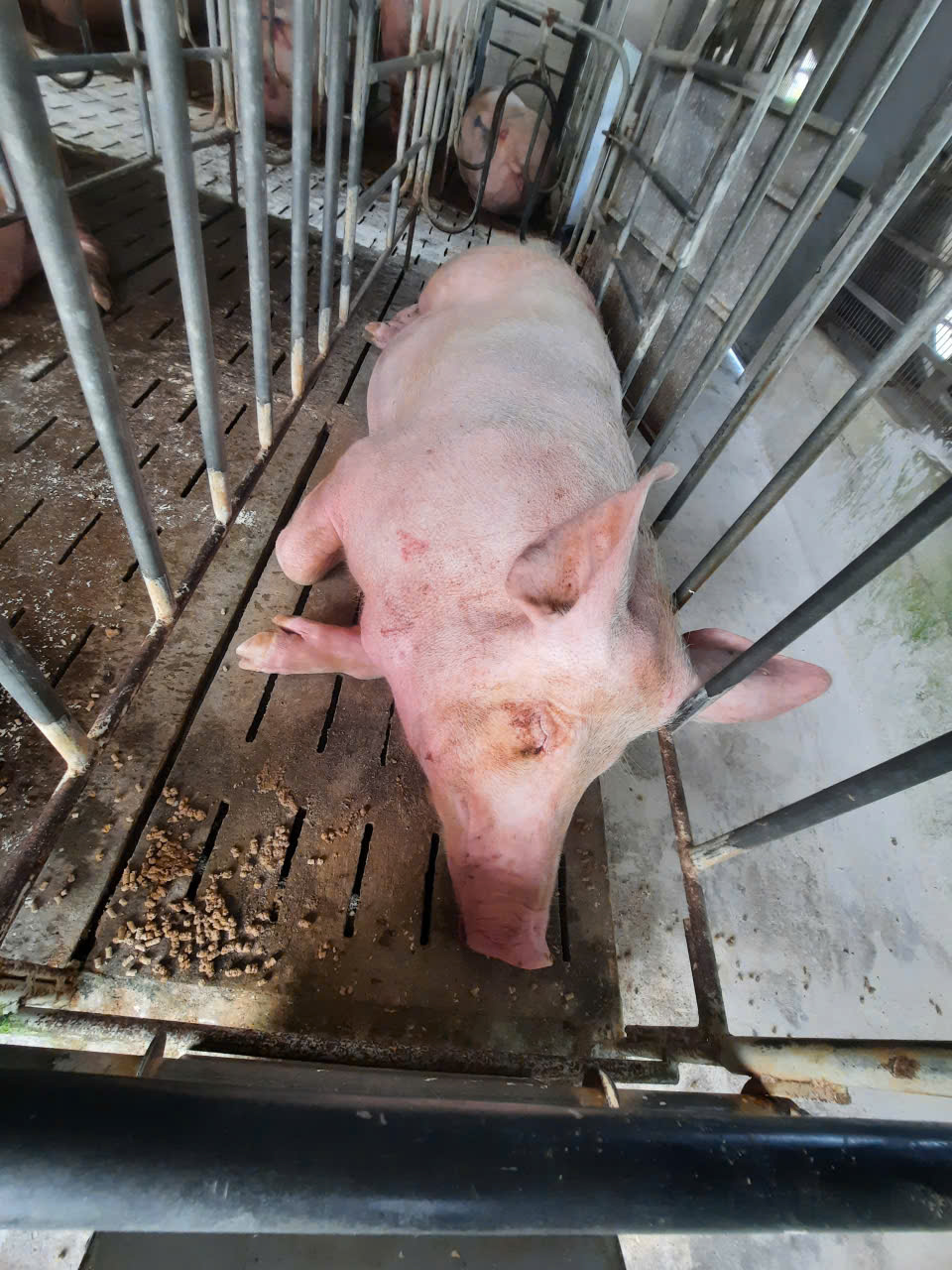
(Pigs infected with African Swine Fever)
2. Current Situation of ASF Virus Strains
According to the document “Prevalence Rate and Prevention of PRRS, ASF, and PED in China” by Professor Zhou, from 2018 to the present, the circulating ASF virus strains in China have become increasingly diverse:
- Genotype II: detected in August 2018 as a highly virulent strain; in April 2020, medium and low virulence strains of genotype II were detected in southern China.
- Genotype I: detected from 2020-2021, a low virulence strain.
- Recombinant Genotype I & II: detected in 2021, this strain has strong horizontal transmission potential and a high mortality rate. From 2022-2023, 30% of tested samples detected this strain; from 2024 to the present, the virulence of this genotype has weakened.
- The B646L (p72) gene mutation strain: Detected in 2022, scattered across several locations.
Understanding these virus strains is crucial for developing effective control plans.
3. Biosecurity Rules at the Farm
Biosecurity plays a core role in the ASF prevention strategy. General principles include:
• Clean-dirty zones, ensuring one-way traffic flow.
• Disinfection using ozone, UV radiation, and specialized chemicals.
• 24/7 camera surveillance, rigorous cross-checking, and regular screening tests.
• Strict control of personnel, materials, and vehicles entering and leaving the farm.
• Biosecurity control during pig sales:
To reduce the risk of ASF transmission through commercial activities:
Disinfect transport vehicles, transit areas, and delivery points. • Take environmental samples before and after slaughter.
Prohibit internal personnel from direct contact with external vehicles.
• Regular monitoring and continuous reporting:
Take weekly samples at risk points: bathrooms, isolation areas, transport vehicles, ventilation openings, etc.
Especially during the autumn and winter months, when the virus is most active.
• Handling sick and dead pigs:
There are designated areas for handling sick and dead pigs according to legal regulations (incineration, biogas digesters, burial).
There are procedures and regulations for personnel in this area to avoid contamination from sick or dead pigs of unknown origin.
Take samples from superficial inguinal lymph nodes for testing; care must be taken to avoid contamination during sampling.
Regularly disinfect the area and equipment used to handle sick and dead pigs.
4. Early Detection Measures for ASF
To prevent African Swine Fever (ASF), farms need to enhance early detection through the following measures:
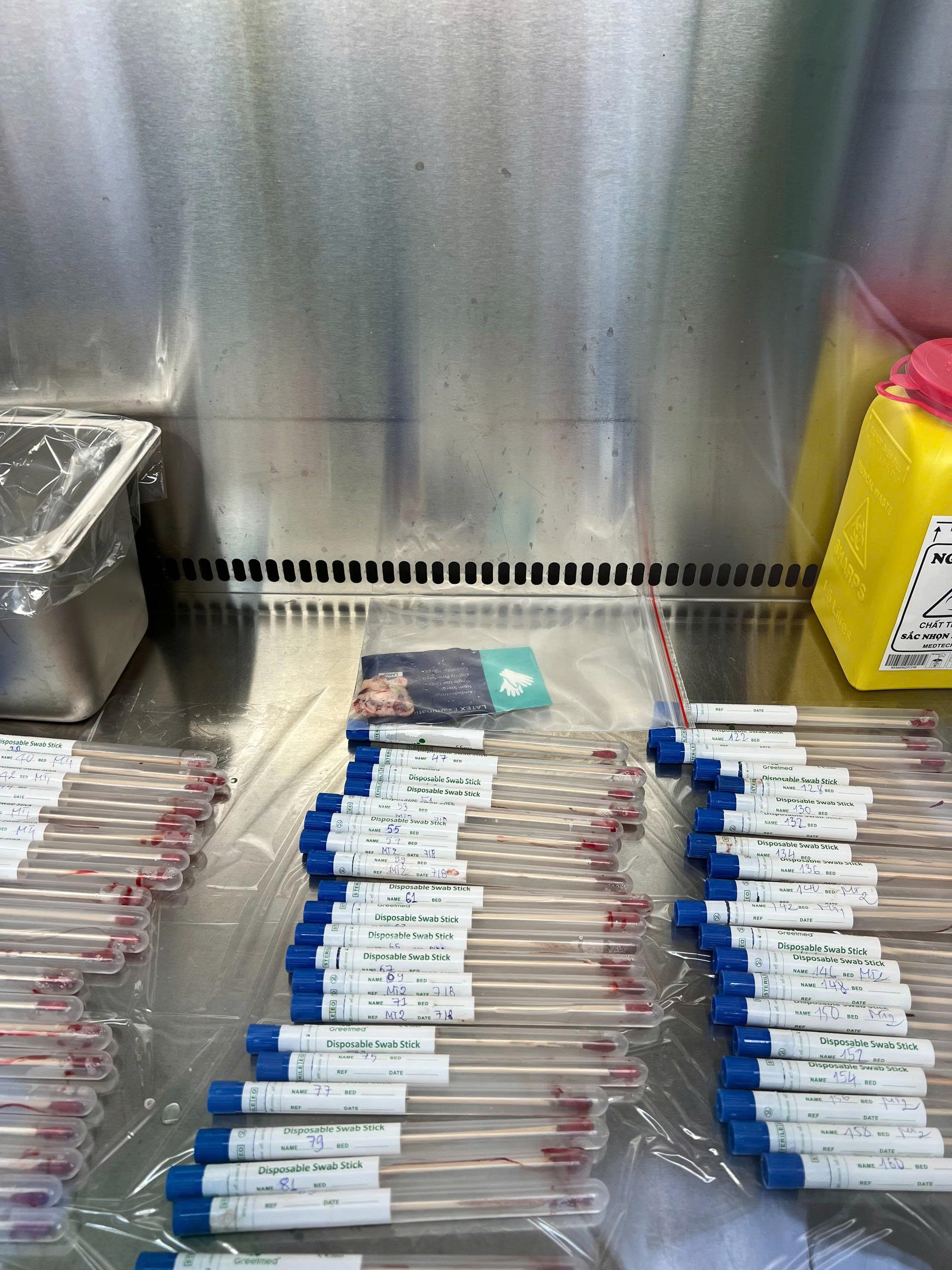
• Collect throat swabs, nasal swabs, and tailbone blood samples from suspected infected pigs for laboratory testing.
• Closely monitor pregnant sows (through feed intake and clinical signs).
• Regularly collect swab samples for environmental testing, inspection of supplies, equipment, and personnel entering and leaving the farm.
• Send samples to reputable, accredited laboratories with modern equipment and sensitive diagnostic kits; cross-checking of the same sample at two different laboratories is necessary.
(Sample sent to the laboratory)
Building a comprehensive African Swine Fever (ASF) prevention and control system not only protects the pig herd but also maintains productivity, reputation, and food safety. From virus identification, control of supplies, personnel, and sales processes to early detection measures for ASF, each step needs to be implemented rigorously, scientifically, and synchronously.





 15-Oct-2026