
 vi
 Popular
 17-Nov-2026
 854


Table of content
Achieving high, consistent, and persistent egg production requires a strong foundation established during the rearing period from 0 to 20 weeks of age. Once ducks enter the laying phase, an appropriate nutritional program combined with consistent flock management is essential to sustain laying performance, egg quality, and overall production efficiency.
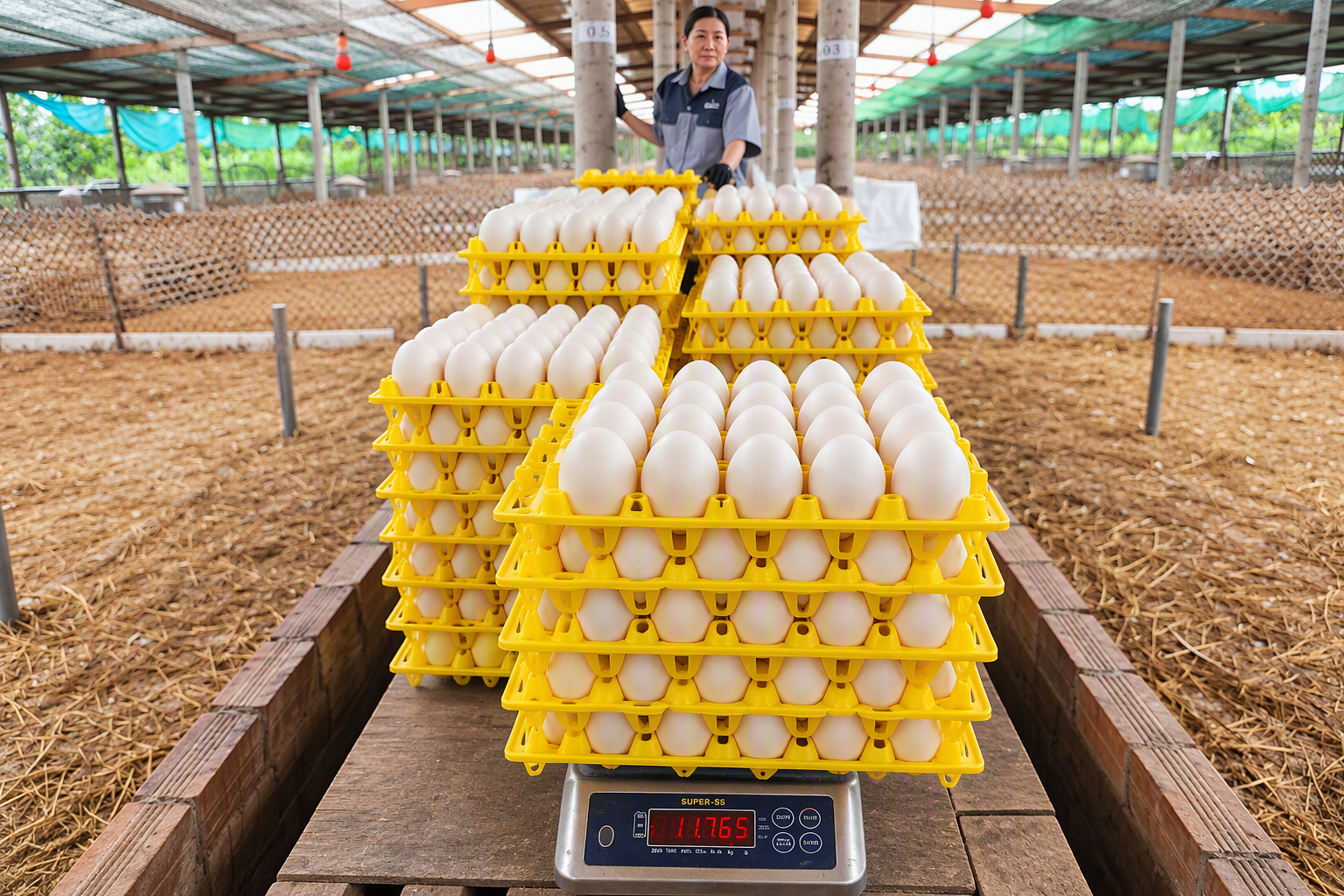
Eggs are collected, inspected, and weighed at the Dong Thap Laying Duck R&D Farm
Strong laying performance begins with proper rearing
Under commercial farming conditions, replacement ducks are often confined and managed intensively only during the first month of life. Thereafter, they are commonly allowed to forage in rice fields, where they consume spilled rice, snails, fish, shrimp, vegetation, and other natural feed resources to reduce production costs. However, under this system, feed quantity and quality, water supply, environmental conditions, and flock health are difficult to control consistently.
Before the onset of lay, ducks must therefore not only reach the appropriate age but also achieve a suitable physiological and body condition. Body weight, flock uniformity, and health status should be monitored because poor uniformity during rearing may result in an asynchronous onset of lay, complicating flock care and nutritional management during the early laying period.
A high-performing laying flock is not established at the first egg. It is developed throughout the entire rearing period. Healthy ducks that achieve the target body weight and good flock uniformity provide a sound foundation for subsequent egg production.
Higher feed intake does not necessarily result in better laying performance
During the laying phase, ducks require nutrients for both body maintenance and egg production. Management should therefore focus not only on the grams of feed consumed per duck per day, but more importantly on the amount of nutrients actually supplied by that feed intake.
This relationship can be expressed simply as:
Feed intake × Nutrient density = Nutrient intake
Accordingly, when feed intake changes, nutrient intake also changes unless the nutrient density of the diet is adjusted appropriately.
Balancing nutrients to sustain laying persistency
Energy, protein, and amino acids are key nutritional components supporting egg production. Energy is required for maintenance and production, while protein and amino acids provide the substrates needed for egg formation. These nutrients must be supplied at adequate and balanced levels, taking the flock’s actual feed intake into account.
Minerals and vitamins are required in smaller quantities but remain essential. In particular, calcium, phosphorus, and vitamin D play critical roles in eggshell formation and shell quality.
Nutrient requirements are not constant throughout the laying cycle. Feed intake, body condition, health status, and actual production performance should therefore be monitored to support phase-appropriate nutritional decisions.
Effective nutrition must be supported by effective management
A well-formulated diet can deliver its intended benefits only when supported by appropriate flock management. Management should focus on five key areas:
1. Flock Monitoring and Production Performance
· Monitor feed intake, water consumption, laying rate, and egg weight.
· Observe fecal characteristics, body condition, molting status, and overall flock health.
· Detect early signs of reduced feed intake, decreased egg production, or deterioration in body condition.
· Monitor performance trends over time rather than relying on observations at a single time point.
2. Feed and Water Management
· Ensure an adequate and consistent feed supply and avoid sudden dietary changes.
· Ensure continuous access to sufficient quantities of good-quality drinking water.
· Keep feeders and drinkers clean to minimize adverse effects on feed and water intake.
3. Environmental and Stress Management
· Maintain a consistent lighting program.
· Ensure adequate ventilation and cooling, particularly under high ambient temperatures.
· Minimize noise, flock disturbance, and other potential stressors.
· Keep the housing and nesting areas clean, dry, and well ventilated.
4. Health Management and Biosecurity
· Implement vaccination and parasite control according to the veterinary health program.
· Monitor gastrointestinal and respiratory health.
· Control the movement of personnel, vehicles, equipment, and other potential sources of infection.
· Use medications based on veterinary diagnosis and avoid unnecessary treatment.
5. Body Condition and Egg Quality Management
· Periodically monitor body weight, flock uniformity, and body condition.
· Prevent excessive loss of body condition or excessive fat deposition during the laying period.
· Monitor egg weight, egg shape, and eggshell quality.
· Evaluate body condition, feed intake, laying rate, and egg quality together to enable early detection of adverse changes.
Egg prices are market-driven, but productivity and production cost remain under the producer’s control
Although egg prices are largely determined by the market, flock productivity and the production cost per egg are factors that producers can actively improve.
Production efficiency is therefore not determined solely by achieving a high peak egg production rate. More importantly, it depends on sustaining stable performance, maintaining egg quality, and utilizing feed efficiently throughout the laying cycle.
When selecting a nutritional program, decisions should not be based solely on the price per bag of feed. Greater emphasis should be placed on the quantity of eggs produced from that feed and the feed cost per unit of egg output. When egg prices fluctuate, controlling the production cost per egg becomes increasingly important to farm profitability.
Understanding duck requirements to develop appropriate nutritional solutions
Nutritional solutions for laying ducks should be based on nutrient requirements and the flock’s actual nutrient intake. Relevant factors include genotype, feed intake, body weight, stage of lay, egg production performance, and production conditions.
At GREENFEED, experimental studies involving Cò ducks in Vietnam and Khaki Campbell ducks in Cambodia focus on key performance indicators, including feed intake, body weight, egg production rate, egg weight, and egg mass.
These parameters support evaluation of the relationships among nutrient intake, egg production performance, and feed efficiency under different production conditions.
This evidence provides a foundation for developing precision nutrition programs in which nutrient supply and dietary nutrient density are aligned with flock requirements, feed intake, and stage of production. The objective is to sustain productivity, egg quality, and feed efficiency while optimizing feed cost per unit of egg output.
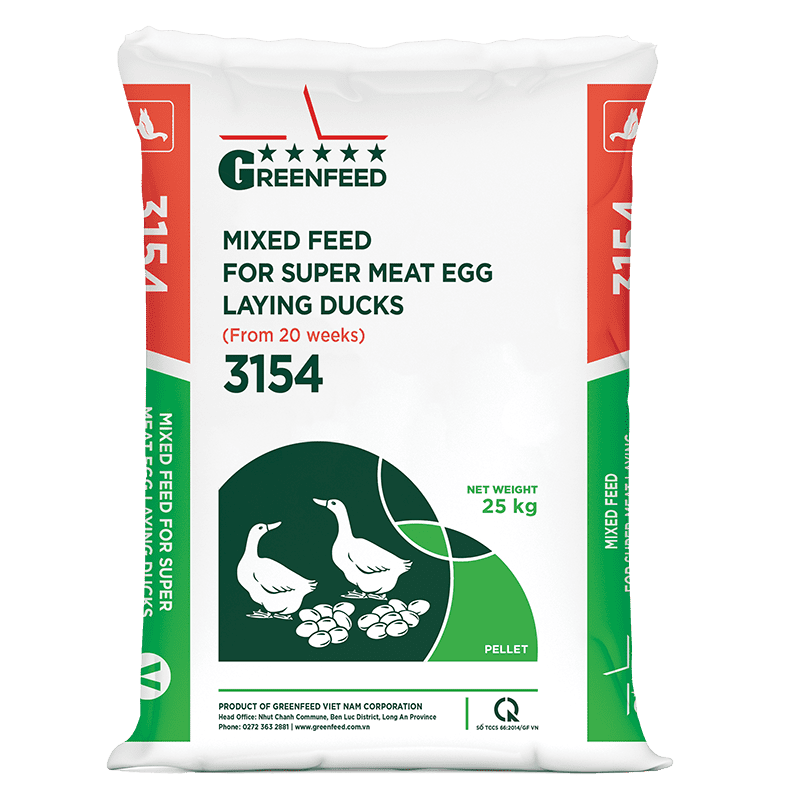
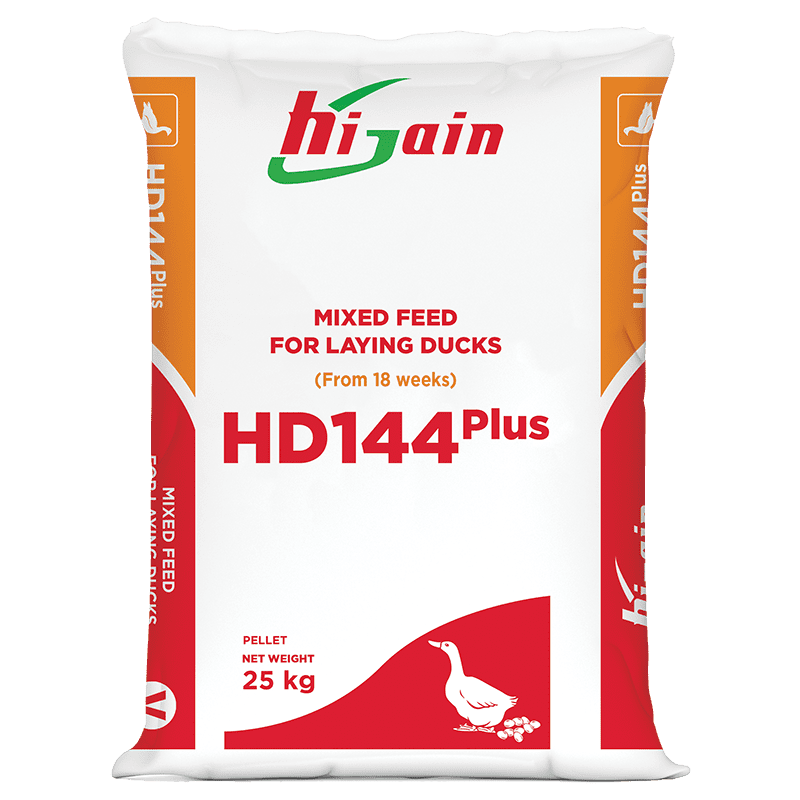
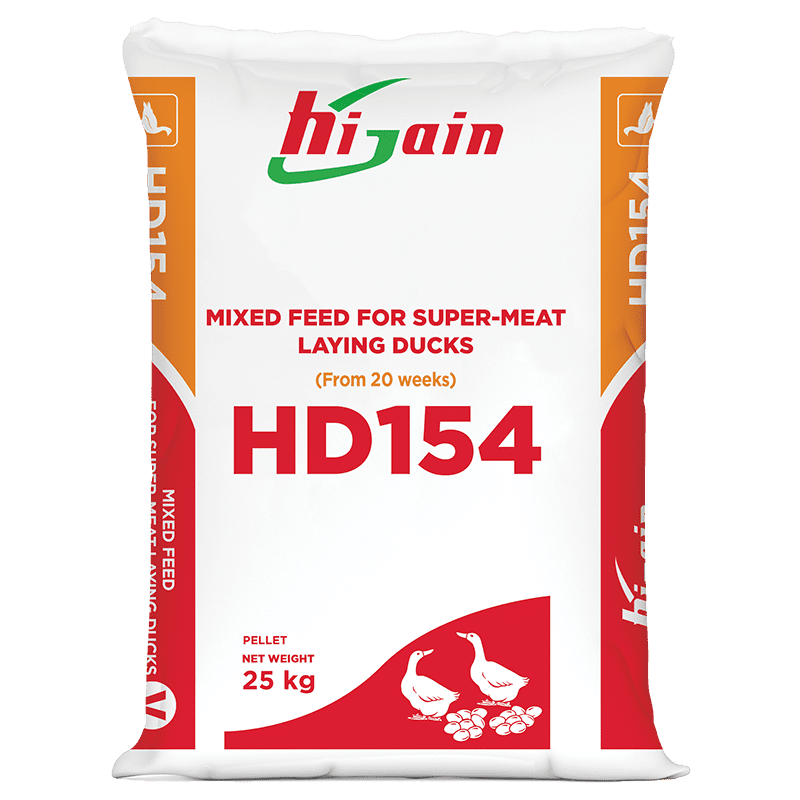
For layer duck
References
Farrell, D. J. (1981). The nutrition of ducks in Australia. In Recent advances in animal nutrition in Australia (pp. 116–133). University of New England Press.
National Research Council. (1994). Nutrient requirements of poultry (9th rev. ed.). National Academy Press.
Wang, S., Chen, W., Zhang, H. X., Ruan, D., & Lin, Y. C. (2014). Influence of particle size and calcium source on production performance, egg quality, and bone parameters in laying ducks. Poultry Science, 93(10), 2560–2566. https://doi.org/10.3382/ps.2014-03962 [researchgate.net], [vufind.lboro.ac.uk]
Xiao, C., Xu, Y., Yang, C., He, D., & Zhu, L. (2025). Fermented mixed feed increased egg quality and intestinal health of laying ducks. Agriculture, 15(11), 1230. https://doi.org/10.3390/agriculture15111230





 15-Oct-2026


