 vi
vi Popular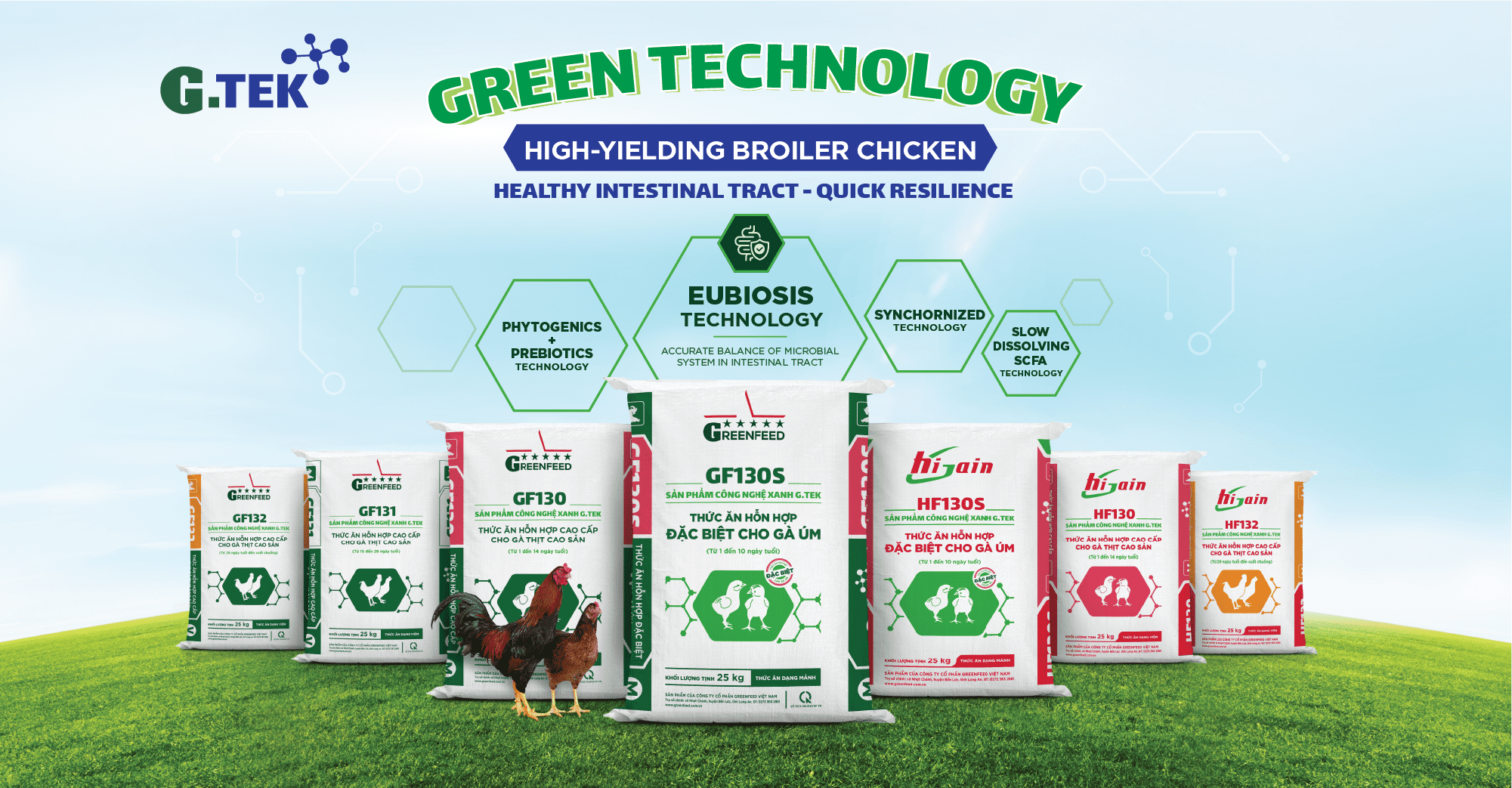
Poultry feed
GREENFEED
Broilers
Poultry feed is a core factor determining egg production, growth rate, and meat quality in poultry farming. Choosing high-quality poultry feed optimizes costs, improves farming efficiency, and reduces disease risks.
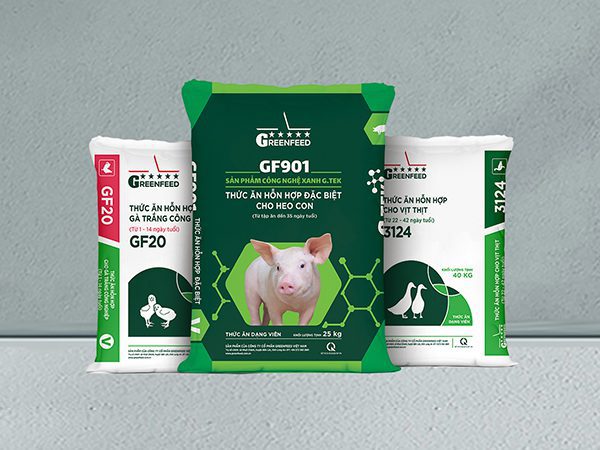
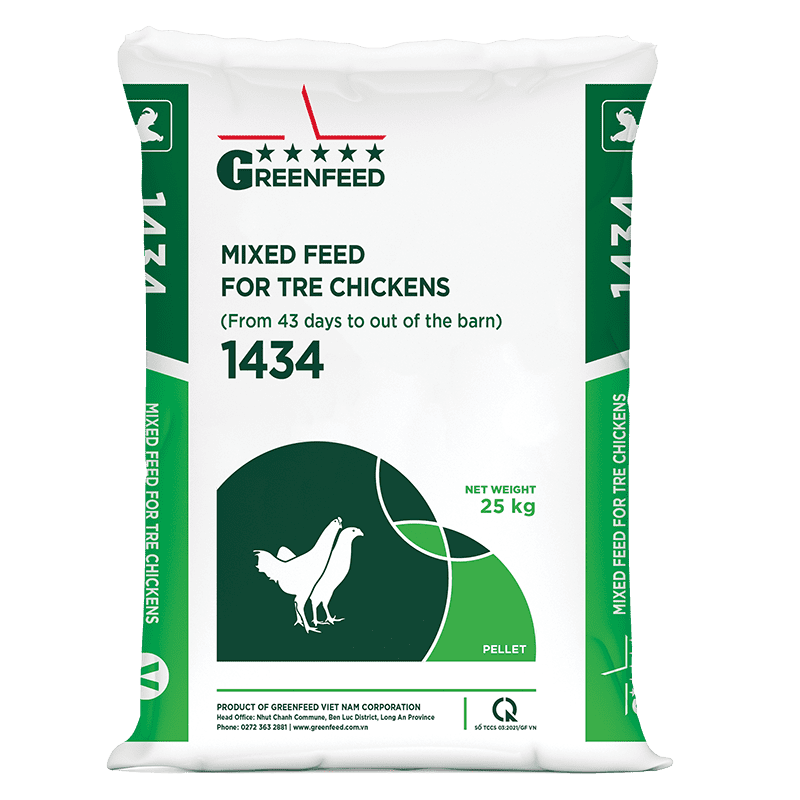
Greenfeed’s current range of poultry feed is researched for each stage (chick, broiler, laying hen), ensuring complete nutrition, promoting healthy development, rapid growth, and sustainable economic efficiency.
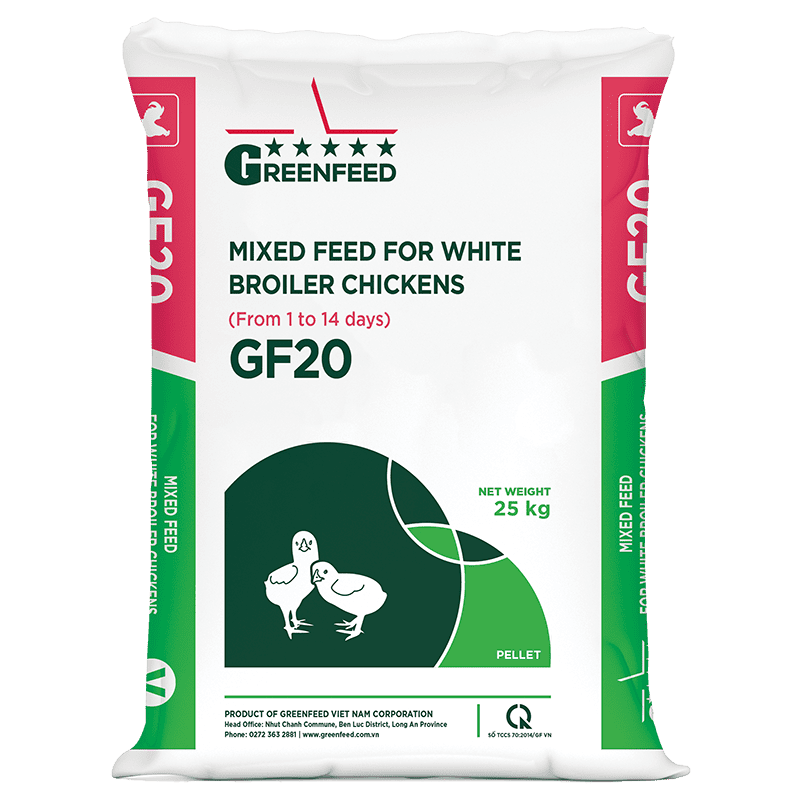
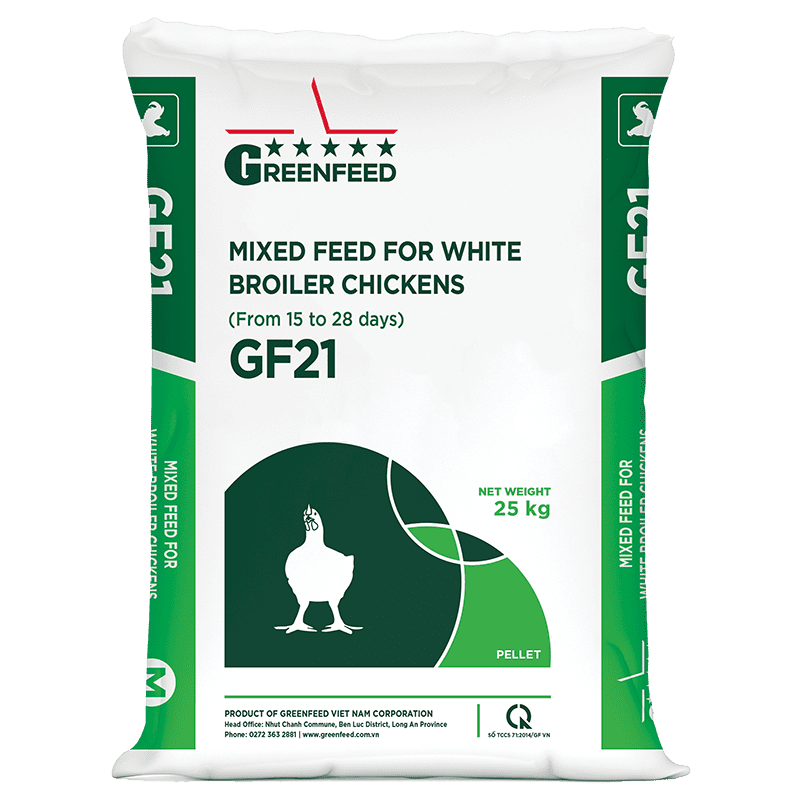
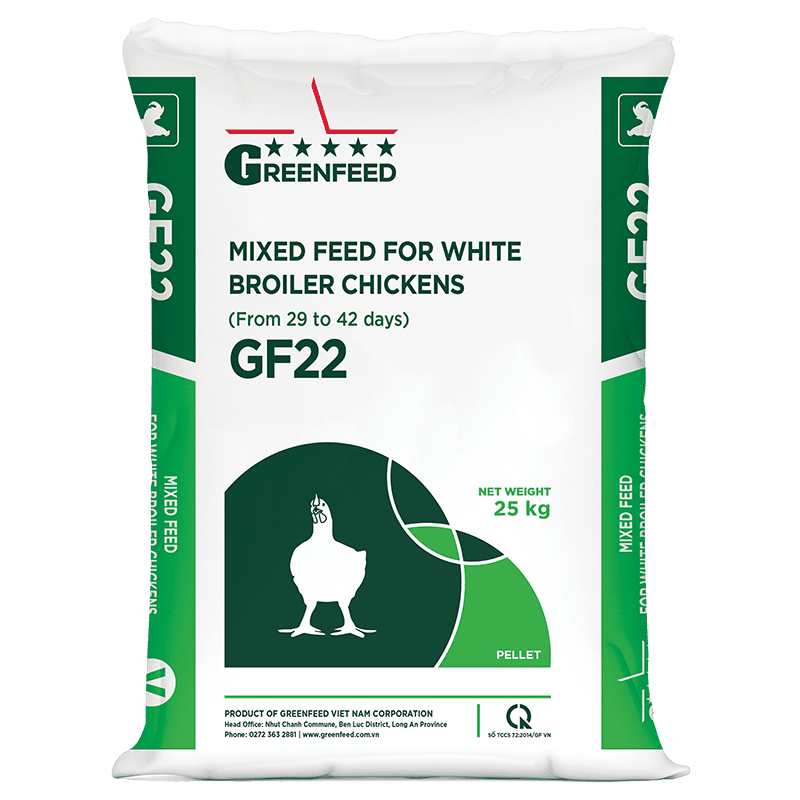
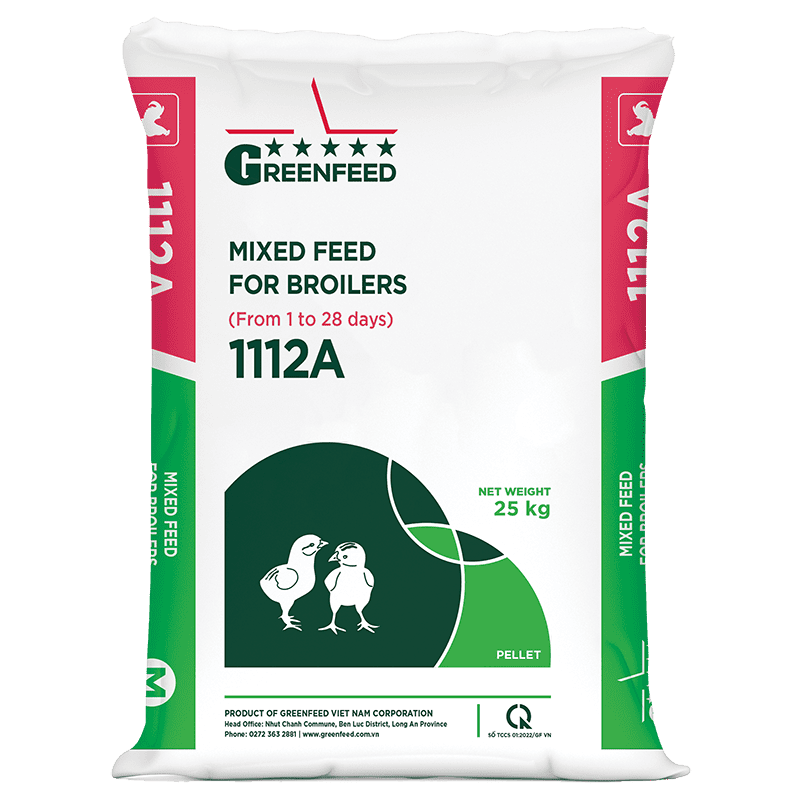
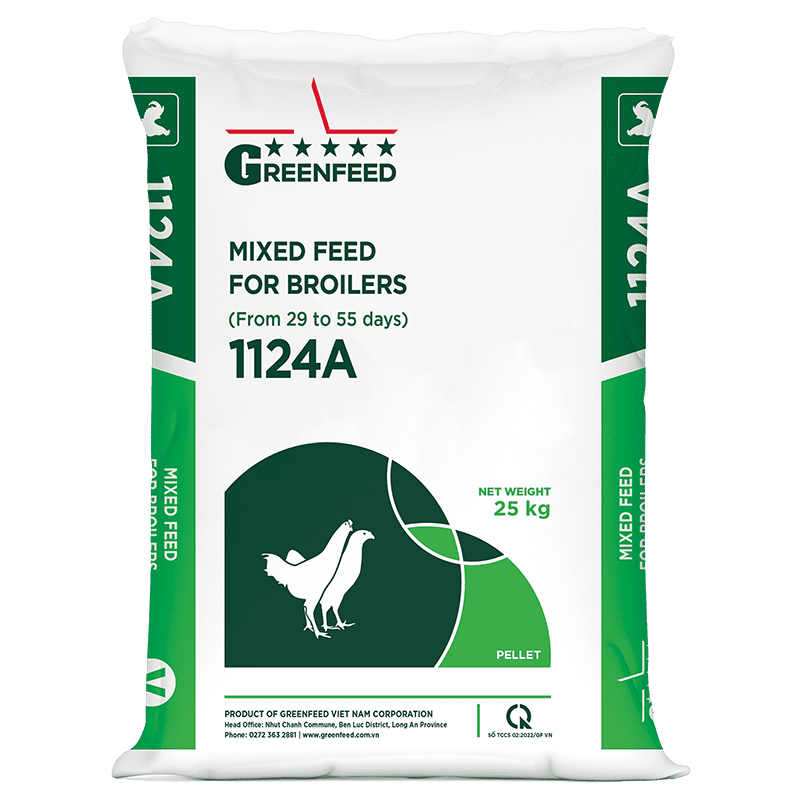
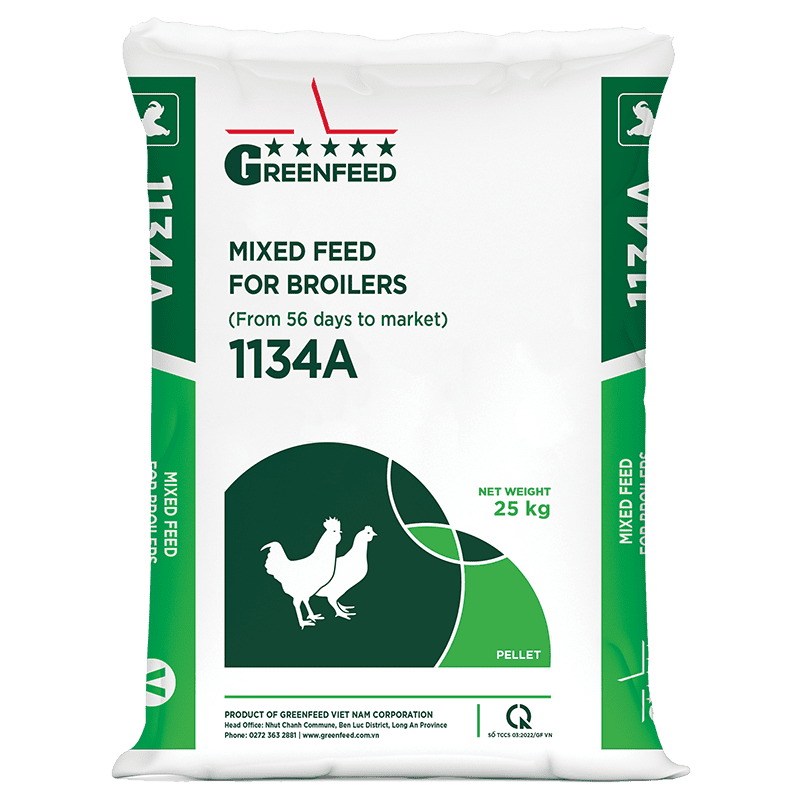
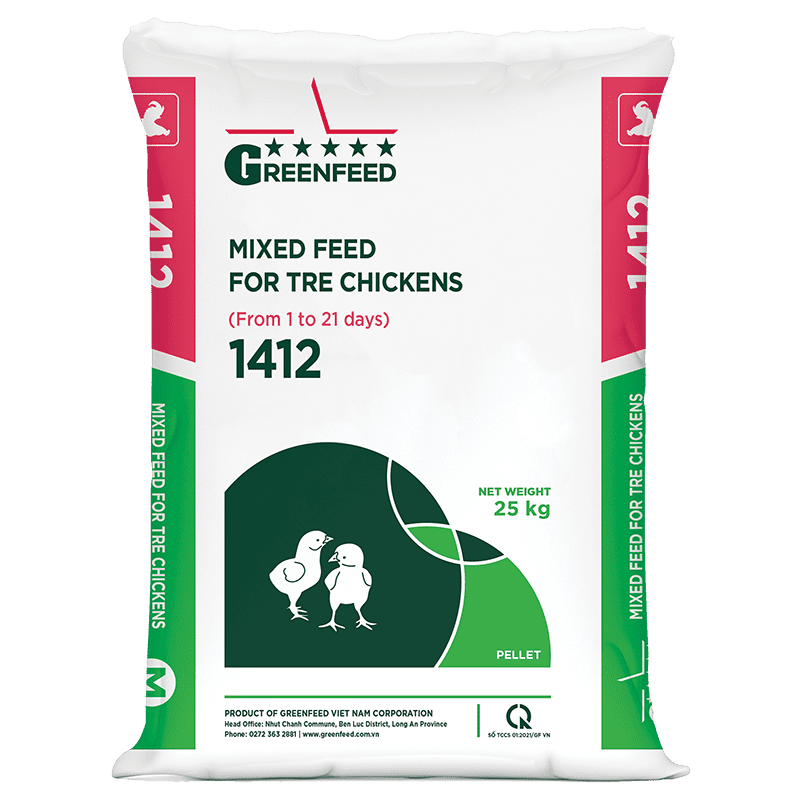
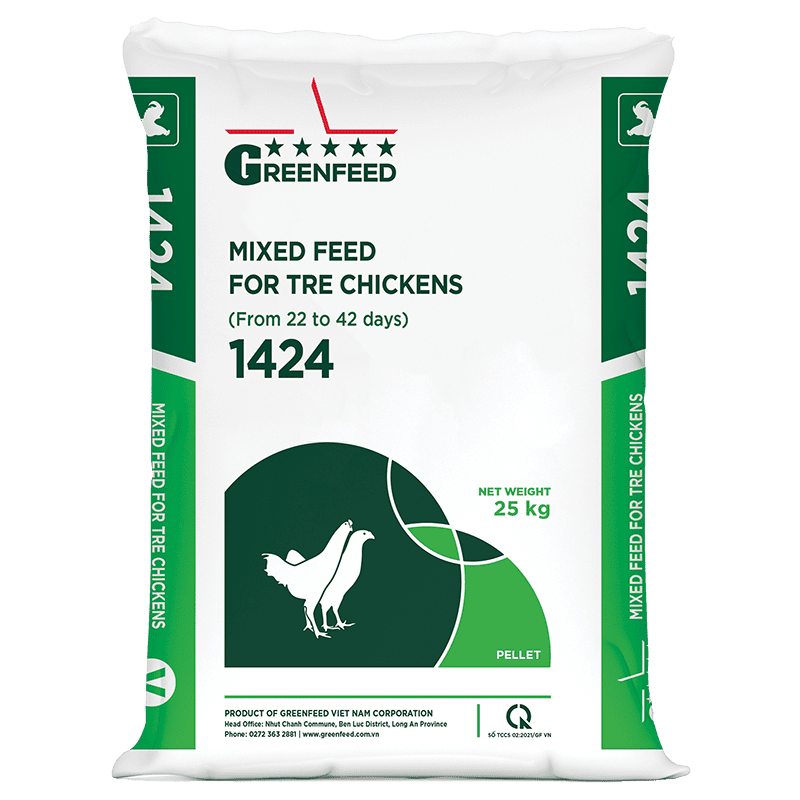



1. The Role of Feed in Chicken Farming
In poultry farming, feed accounts for approximately 60-70% of total costs. Therefore, choosing the right feed will help: Increase egg laying rates (laying hens), increase weight gain rate (broiler chickens), reduce losses, and optimize farming costs. Low-quality feed can lead to: Slow growth, thin and easily broken eggshells, and poor disease resistance.
2. Classifying chicken feed by stage, based on nutritional needs:
Each stage of a chicken’s development has different nutritional needs. Therefore, Greenfeed chicken feed is specifically designed for each stage of the animal’s development:
Chick chicks (0–4 weeks): High in nutrients, easily digestible, supplemented with enzymes and vitamins.
Benefits: Helps develop the immune and digestive systems.
Broiler chickens: Increased energy and protein, optimized for rapid weight gain.
Benefits: Shortens rearing time.
Laying hens: Supplemented with calcium and minerals, improves egg quality, thicker eggshells, and higher laying rates.
3. Criteria for Selecting Chicken Feed
Greenfeed chicken feed ensures the following important criteria
- Nutritionally balanced (protein, energy, minerals)
- Easily digestible
- Free from banned substances
- Suitable for each stage of development
4. Solutions for Optimizing Feed Costs in Chicken Farming
In addition to providing feed for chickens, Greenfeed also offers consulting services to help customers optimize costs:
- Introducing nutrition and feeding programs suitable for the chicken’s condition: Feeding the right amount at the right time, avoiding excess and waste.
- Providing detailed guidance on methods for controlling the farm environment: Appropriate temperature and humidity, reducing stress to improve absorption.
- Advising on biosecurity measures to limit disease outbreaks and reduce medication costs.
- Monitoring growth at the farm alongside customers: Adjusting feed according to each stage, avoiding prolonged rearing time to save costs.
5. Current Trends in Poultry Feed
Greenfeed continuously innovates and applies green, healthy technologies to keep up with modern farming trends, ensuring:
- Proud to be a sustainable feed brand: Reduced antibiotic use, increased use of enzymes and probiotics
- Optimized performance: Increased conversion rate, reduced FCR
- Transparent ingredients, ensuring food safety
6. Why choose Greenfeed chicken feed?
Greenfeed chicken feed helps:
- Reduce disease risks
- Increase stable productivity
- Optimize long-term costs
- Improve output quality
In the context of fluctuating raw material prices and increasing competition, using effective chicken feed is key to sustainable development for poultry farmers.