 vi
vi Popular
 07-Apr-2026
 547
547 

Table of content
What is Gumboro disease in chickens?
Gumboro disease in chickens, also known as infectious bursitis of Fabricius, is a dangerous infectious disease caused by a virus, commonly affecting chicks aged 3-6 weeks.
The disease severely weakens the immune system, making chickens susceptible to secondary infections, reducing weight gain, and causing economic losses for poultry farmers.
1.Causes of Gumboro disease in chickens
Gumboro disease is caused by the IBDV virus, belonging to the Birnaviridae family.
The virus can survive for a long time in the environment, such as:
- Poultry houses
- Chicken droppings
- Farming equipment
After entering through the digestive tract, the virus destroys the Fabricius bursa – a vital immune organ of chickens – weakening their resistance.
2.When is Gumboro disease most likely to break out?
The disease usually breaks out when:
- The weather is hot and humid
- Poor hygiene in poultry houses
- Chickens have not been vaccinated against Gumboro
Transmission routes:
- Through the digestive tract
- Through the farming environment
- Through the waste of infected chickens
3.Symptoms of Gumboro disease in chickens
Gumboro disease symptoms usually appear after a 2-3 day incubation period:
- Lethargy, loss of appetite
- Trembling, ruffled feathers
- Pecking at the tail area
- Loose white or bloody diarrhea
- Wet anus
4.Typical lesions
- Fabricius bursa is swollen and hemorrhagic, then shrinks.
- Kidney is swollen and accumulates urate.
- Pentometrial and thigh muscles are hemorrhagic.
5.Effective Gumboro disease prevention for chickens.
Get Gumboro vaccine
Chicks should be vaccinated between 10 and 14 days old and repeated according to the schedule.
Cleaning the barn
Regular disinfection helps reduce the pathogen load in the environment. Use broad-spectrum disinfectants such as DOVIDINE and DONACIDE from Greenfeed to effectively and safely eliminate pathogens for the chicken flock.
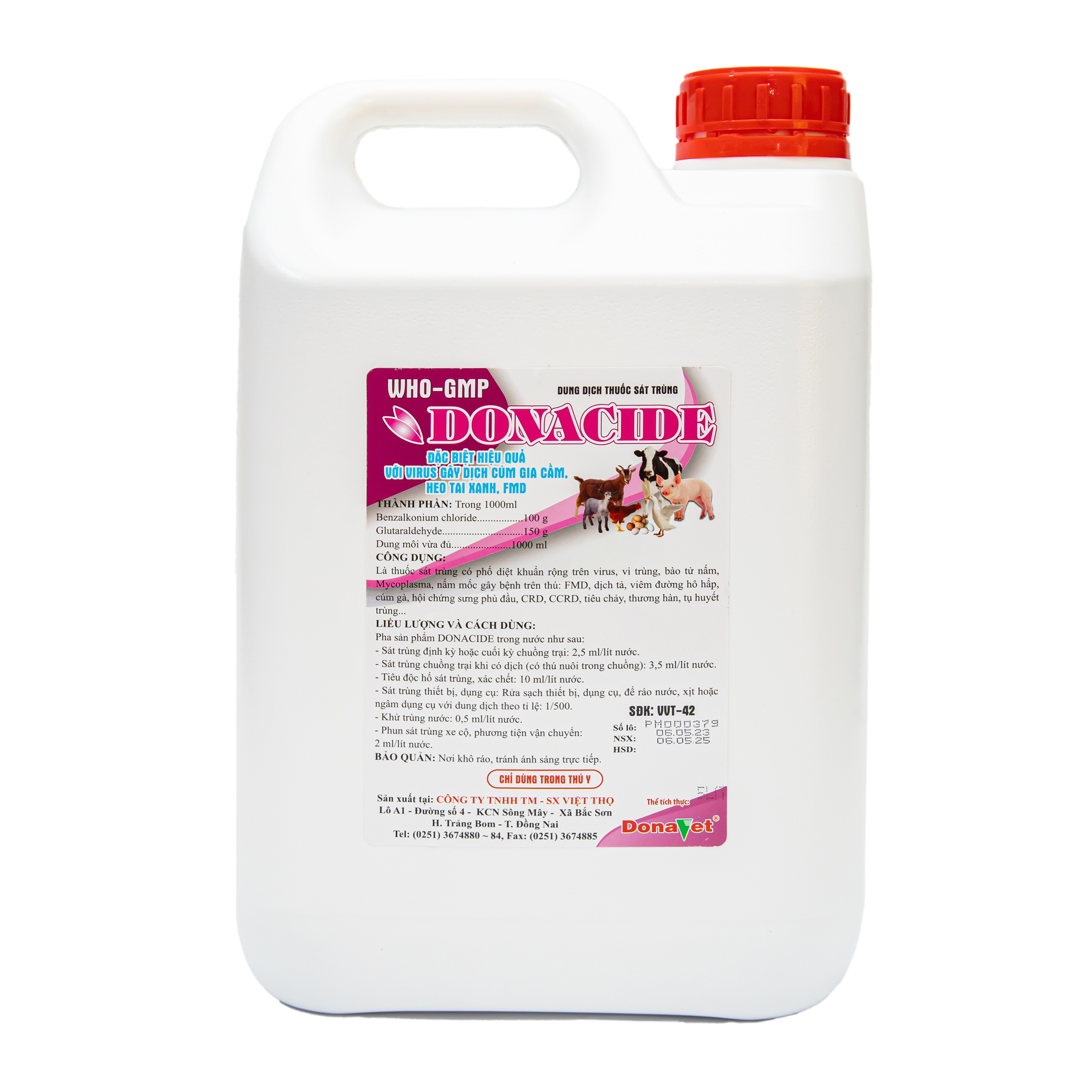
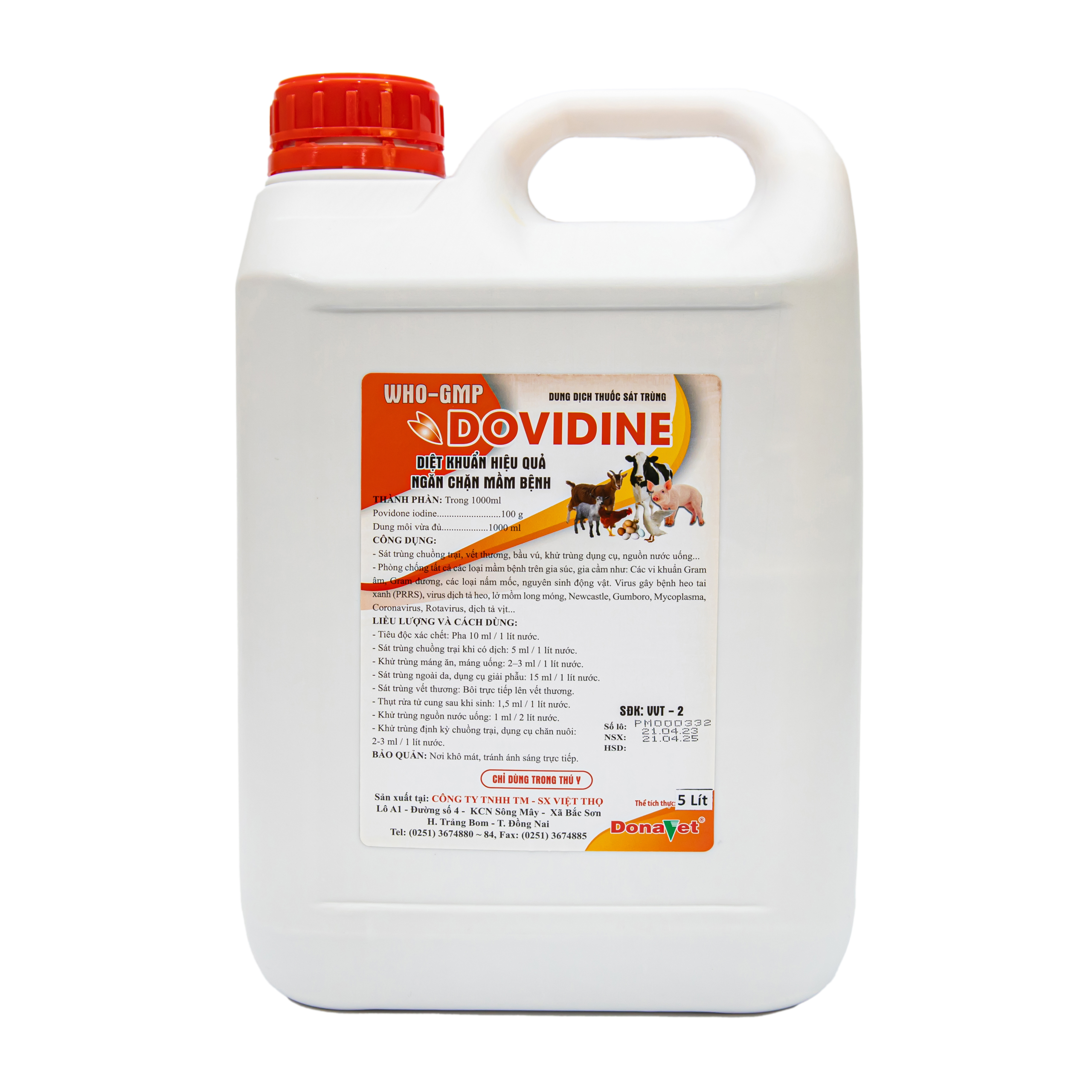
Preventing all types of pathogens in livestock and poultry, such as: Gram-negative and Gram-positive bacteria, various types of molds, protozoa. Viruses causing Porcine Reproductive and Respiratory Syndrome (PRRS), swine fever virus, foot-and-mouth disease, Newcastle disease, Gumboro disease, Mycoplasma, Coronavirus, Rotavirus, duck cholera, etc.
Nutritional supplements
Supplementing the feed with vitamins, electrolytes, and a complete range of nutrients helps boost the immune system of chickens.
Handling outbreaks
- Isolate the sick herd.
- Use supportive veterinary medication as directed.
- Avoid overuse of antibiotics.
Conclude
Gumboro disease in chickens is a dangerous but completely controllable infectious disease if farmers understand its causes and symptoms and apply appropriate preventive measures. Proactive vaccination and ensuring biosecurity are key to protecting the flock and optimizing farming efficiency.
Need advice on disease prevention and nutrition for your chickens?
Contact our technical team for support and to develop an effective farming process.
Frequently Asked Questions about Gumboro Disease in Chickens (FAQ)
- Is Gumboro disease dangerous in chickens?Yes. It is a dangerous infectious disease because it weakens the immune system, making chickens susceptible to secondary infections and increasing mortality rates, especially in chicks aged 3-6 weeks.
- How is Gumboro disease transmitted?The disease is primarily transmitted through the digestive tract when chickens ingest or drink contaminated food or water. Additionally, the virus can spread through the environment, farming equipment, and the waste of infected chickens.
- Is there a specific cure for Gumboro disease?Currently, there is no specific cure. Treatment mainly focuses on supporting the immune system and reducing mortality rates in the flock.
- When is the best time to vaccinate against Gumboro?Chicklings are usually given their first Gumboro vaccine around 10-14 days old and booster shots as recommended by the manufacturer or veterinarian.
- How to effectively prevent Gumboro disease?The most effective measures include:
- Vaccination according to schedule
- Regular cleaning and disinfection of livestock facilities
- Supplementing nutrition and vitamins to boost immunity




 25-Jan-2026